
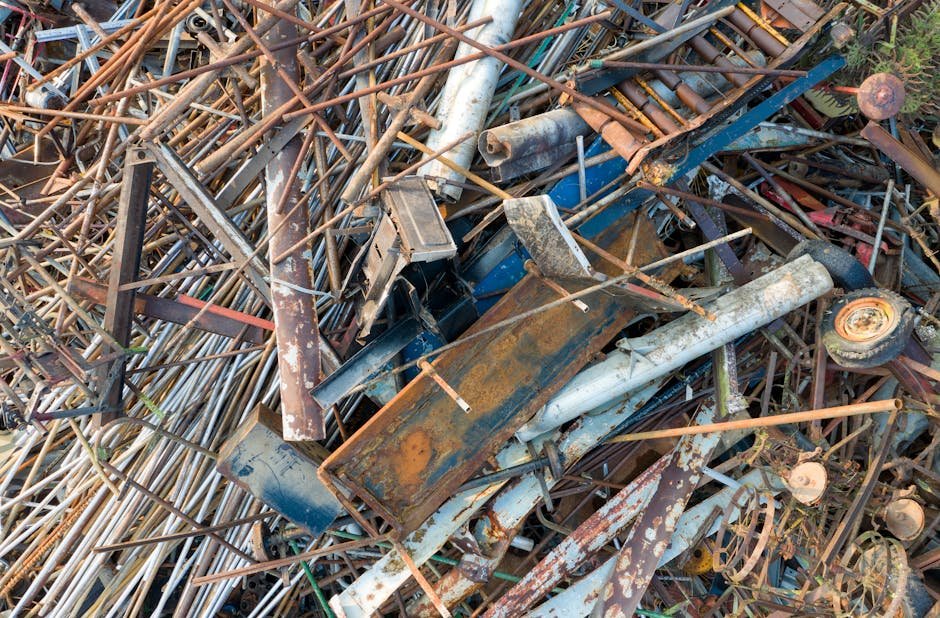

The scrap price of metal in Australia is a dynamic metric influenced by global markets, industrial demand, and environmental policies. Whether you’re a buyer, seller, or recycler, understanding these fluctuations is critical to maximizing value. This guide breaks down current market rates, how prices are determined, and the environmental impact of recycling. From price per kg for common metals to the role of metal grades, we cover everything you need to stay competitive in 2026.
Overview of Metal Scrap Pricing in Australia
The scrap price of metal refers to the market value of discarded metals like steel, copper, aluminum, and brass. These prices are determined by a combination of factors, including commodity exchanges, supply chain constraints, and local demand. In Australia, the price per tonne for ferrous metals (e.g., steel) often fluctuates less than non-ferrous metals (e.g., copper), which are sensitive to global electronics and renewable energy projects. To stay informed, many traders rely on platforms like Scrap Trade for real-time updates.
Current Market Value and Price Setting
As of Q1 2026, the current scrap prices in Australia are influenced by post-pandemic recovery, increased infrastructure spending, and the push for renewable energy. For example:
- Steel (ferrous): $120–$150 per tonne
- Copper (non-ferrous): $9,000–$10,500 per tonne
- Aluminum: $2,200–$2,500 per tonne
- Brass: $8,500–$9,500 per tonne
These market rates are updated weekly by exchanges like the London Metal Exchange (LME) and adjusted for freight costs, local demand, and recycling efficiency. The Scrap Trade platform aggregates these data points into a user-friendly format for Australian traders.
Factors Influencing Scrap Metal Prices
Several key elements drive the scrap price of metal in Australia:
- Global Demand: China’s construction boom and Europe’s green energy transition create significant demand for recycled metals.
- Supply Chain Disruptions: Port delays or mining strikes can temporarily inflate prices for new metal, making scrap more competitive.
- Purity and Contamination: Metals free of impurities (e.g., copper with minimal plastic) command higher price per kg.
- Environmental Regulations: Stricter recycling mandates increase demand for scrap in manufacturing.
Local factors like proximity to smelters and seasonal construction activity also play a role. For example, regional recyclers may offer premium rates for high-grade materials during peak periods.
Grades of Scrap Metal and Their Value
Scrap metals are categorized into grades based on composition, condition, and end-use. Understanding these grades helps sellers optimize returns:
- Ferrous Metals: Includes steel, iron, and cast iron. These are magnetic and typically lower in price per kg due to abundance.
- Non-Ferrous Metals: Non-magnetic metals like copper, aluminum, and brass have higher value because of their conductivity and corrosion resistance.
- Mixed Scrap: A blend of metals with unknown purity. This fetches the lowest prices and often requires sorting before recycling.
For instance, clean copper wiring can yield $8.50/kg, while mixed electronic scrap might earn only $2/kg after sorting costs. Always check Scrap Metal Prices for grade-specific updates in your area.
How the Recycling Process Works
Recycling scrap metal involves several stages that impact the final scrap price of metal:
- Collection: Scrap is gathered from demolition sites, factories, or households.
- Sorting: Advanced magnets and X-ray fluorescence (XRF) scanners separate metals by type and grade.
- Processing: Metals are sheared, baled, or shredded to increase transport efficiency.
- Smelting: Recycled metals are melted and refined into new products, reducing energy use by up to 95% compared to mining.
Efficient sorting is critical—contaminated scrap may be resorted or downgraded. Scrap Trade partners with certified recyclers to ensure optimal processing and pricing.
Environmental Benefits of Scrap Metal Recycling
Recycling metals offers environmental and economic advantages:
- Energy Savings: Recycling aluminum uses 95% less energy than producing it from bauxite ore.
- Reduced Mining: Every tonne of recycled steel saves 2,500 pounds of iron ore and 1,400 pounds of coal.
- Lower Emissions: The Australian mining sector accounts for 14% of national emissions; recycling helps meet climate targets.
Governments and industries are now incentivizing circular economy models, where scrap is a valuable resource rather than waste. This trend is likely to stabilize metal prices today in the long term.
Practical Tips for Selling Scrap Metal
Maximize your returns by following these steps:
- Know the Grades: Separate copper, aluminum, and steel to avoid mixed-scrap discounts.
- Use Online Tools: Check scrap metal price and price of scrap metal for real-time updates.
- Prepare Materials: Remove non-metal components (e.g., plastic, glass) to avoid contamination.
- Compare Buyers: Use Sell Scrap Metal Near Me In 2026 to find certified recyclers offering premium rates.
For large quantities, consider negotiating long-term contracts with smelters to lock in favorable price per tonne agreements.
Conclusion
The scrap price of metal is a vital economic indicator in Australia’s transition to sustainable manufacturing. By understanding market forces, metal grades, and recycling processes, stakeholders can navigate this sector profitably while reducing environmental impact. Whether you’re a first-time seller or an industry veteran, leveraging tools like Scrap Trade ensures transparency and competitiveness in a rapidly evolving market.
FAQ
How are scrap metal prices determined in Australia?
Prices are influenced by global commodity markets, local demand, metal purity, and logistics. Platforms like Scrap Trade aggregate these factors into real-time rates.
Why do different metal grades have varying prices?
Grades reflect purity, conductivity, and end-use value. For example, high-grade copper wiring is worth $8.50/kg, while mixed electronics scrap may only fetch $2/kg after sorting.
What’s the best way to sell scrap metal in Australia?
Use Sell Scrap Metal Near Me In 2026 to locate certified recyclers. Sorting materials and comparing multiple quotes maximizes returns.
How does recycling impact the environment?
Recycling reduces energy use, mining waste, and carbon emissions. For instance, recycling aluminum saves 95% of the energy required to produce new metal from raw ore.
Frequently Asked Questions
How are scrap metal prices determined in Australia?
Prices are influenced by global commodity markets, local demand, metal purity, and logistics. Platforms like Scrap Trade aggregate these factors into real-time rates.
Why do different metal grades have varying prices?
Grades reflect purity, conductivity, and end-use value. High-grade copper wiring is worth $8.50/kg, while mixed electronics scrap may only fetch $2/kg after sorting.
What’s the best way to sell scrap metal in Australia?
Use Sell Scrap Metal Near Me In 2026 to locate certified recyclers. Sorting materials and comparing multiple quotes maximizes returns.
How does recycling impact the environment?
Recycling reduces energy use, mining waste, and carbon emissions. For example, recycling aluminum saves 95% of the energy required to produce new metal from raw ore.











