
Understanding the current scrap prices for copper near me is the first step for any trade professional, electrician, or demolition contractor looking to maximize their bottom line. Copper is the lifeblood of the global electrical infrastructure, and its value is intrinsically tied to industrial growth, building activity, and global supply chain stability. As you research scrap prices for copper near me, it is vital to recognize that the price you receive is not arbitrary. Instead, it is a complex calculation derived from international commodities markets, adjusted for local currency fluctuations, transport logistics, and the specific purity grade of your material. To stay ahead of the market, savvy recyclers consistently monitor Scrap Copper Prices Near Me to ensure they are selling at the peak of the daily cycle. Whether you are holding a pile of stripped copper wire or a collection of salvaged copper pipe, knowing how to categorize your scrap is the difference between a mediocre payout and a premium return. This comprehensive guide serves as your master resource for navigating the Australian scrap market, providing the technical knowledge required to treat your scrap metal as a high-value asset class.
The Mechanics of Copper Pricing: Why Rates Change Daily
The global copper market is governed by the London Metal Exchange (LME), where copper is traded as a commodity on a massive scale. When you look up metal prices today, you are essentially looking at the spot price of copper on the global market, converted into Australian Dollars (AUD). This conversion introduces currency risk; when the AUD is strong against the USD, the local price per kg can feel suppressed, even if global demand is high. Conversely, a weaker dollar often boosts local returns. Beyond currency, supply and demand dynamics drive volatility. If a major mining operation in Chile or Peru experiences a strike, global supply tightens, and the price per kg spikes. Simultaneously, local demand in Australia—driven by residential construction and renewable energy infrastructure projects—creates localized competition among scrap yards. This competition is why you should always consult a trusted source like Scrap Metal Prices to understand the baseline before visiting a yard. Furthermore, the cost of processing—including labor, energy, and transportation—is factored into the final price offered by the yard. High-volume scrap providers often receive better rates because they reduce the yard’s logistical overhead. Understanding these macroeconomic levers allows you to time your sales. If you have significant quantities of scrap copper, tracking the weekly trends rather than the daily noise can help you avoid selling during a temporary dip caused by market speculation.
Grading Your Copper: From Bare Bright to Number 2
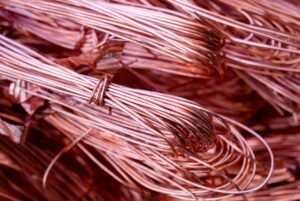
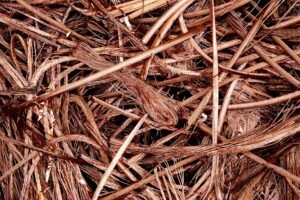
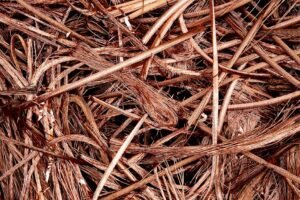
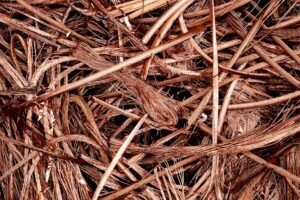
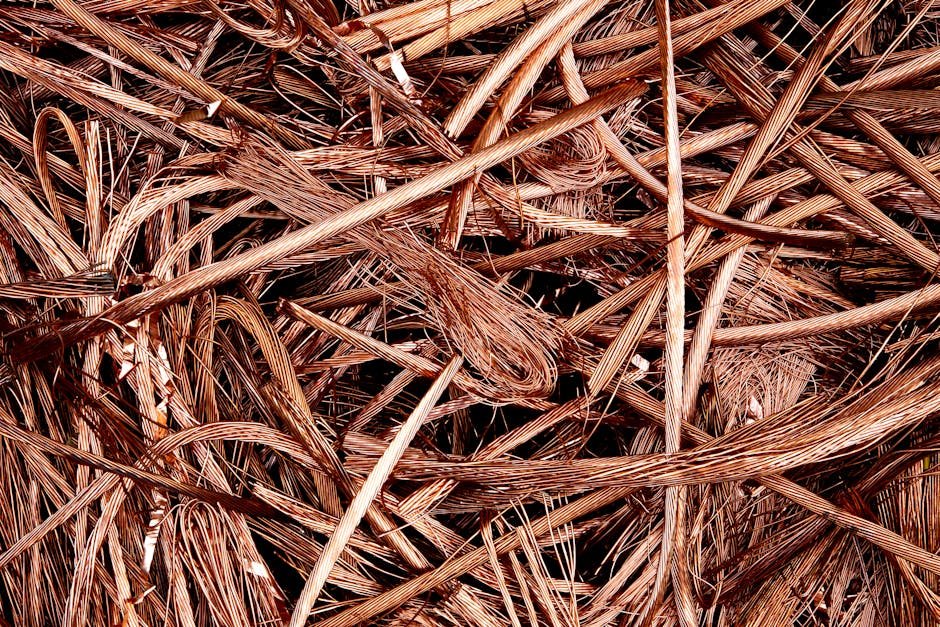
Not all copper is created equal. To get the best price per kg, you must understand the industry-standard grading system. The highest tier is ‘Bare Bright’ copper. This consists of clean, unalloyed, uncoated, and uninsulated copper wire that is free of oxidation or contaminants. It is the gold standard because it can be melted down and repurposed with minimal processing effort. Next is ‘Number 1’ copper, which includes clean, unalloyed copper tubing or wire that may have slight oxidation but is free of solder, paint, or fittings. ‘Number 2’ copper is a catch-all category for copper that is slightly contaminated. This might include copper pipe with solder joints, lightly corroded wire, or material with minor attachments like brass fittings. Because Number 2 requires additional chemical or mechanical processing to reach purity, the price per kg is significantly lower than Bare Bright. Many beginners make the mistake of mixing these grades together, which forces the yard to pay the lowest common denominator price. By taking the time to strip insulation from your wires and separate your clean pipe from your soldered fittings, you can significantly increase your total payout. For a detailed breakdown of how these grades impact your bottom line, refer to our comprehensive Scrap Copper Prices in Australia: Market Value & Recycling Guide. Separation is a simple process, but it is the single most effective way to improve your margins.
How the Recycling Process Works
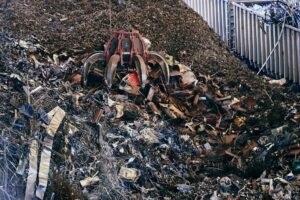
Once your copper leaves your possession, it enters a sophisticated industrial loop. Most scrap yards in Australia utilize mechanical shredders or granulators to process wire. These machines strip the plastic insulation from the copper strands, separating the metal from the PVC or polyethylene coating. The copper is then baled or compacted into high-density bricks, which are easier to transport and feed into smelters. In the smelting process, the copper is melted at temperatures exceeding 1,085 degrees Celsius. Impurities are skimmed off the top, and the remaining molten copper is cast into ingots or billets. These ingots are the raw material for new electrical cables, plumbing components, and automotive parts. The environmental benefits of this cycle are profound. Recycling copper consumes up to 85% less energy than mining and refining virgin copper ore. Furthermore, it significantly reduces the carbon footprint associated with open-pit mining and tailings management. By participating in this circular economy, you are not just earning money; you are actively reducing the demand for destructive mining practices. Our partners at Scraptrade emphasize that the quality of the input material is the most critical factor in the efficiency of this entire recycling chain. When you provide clean, well-sorted scrap, you are directly contributing to a more efficient, sustainable industrial ecosystem.
Factors That Influence Your Local Scrap Payout
While global indices set the ceiling, your local yard sets the actual payout. Several operational factors influence the price per kg you receive. First is the volume of your load. A truckload of high-grade copper is far more valuable to a yard than a single bucket, as it lowers their per-unit handling costs. Second is the cleanliness of the material. If your copper is heavily insulated, contains excessive solder, or is mixed with steel or aluminum, the yard must dedicate labor hours to cleaning it. These labor costs are deducted from your payment. Third is the proximity to the end-user. If your local yard is located far from major shipping ports or manufacturing hubs, the cost of transporting the material to the smelter will be baked into the lower price they offer you. This is why knowing the local market is essential. Some yards specialize in high-volume industrial scrap, while others cater to the general public. Building a relationship with a specific yard can also provide long-term benefits, such as access to better price tiers or faster payment terms. Always ask for a breakdown of your weight by grade before the transaction is finalized. Transparency is a hallmark of a professional scrap dealer. If you are unsure about the value of your haul, use a reliable digital scale to weigh your materials beforehand. This gives you a reference point to ensure the yard’s scales are calibrated correctly and that you are receiving a fair market valuation.
Strategic Tips for Maximizing Your Copper Returns
To truly master the scrap game, you must treat it like a business. Start by maintaining an organized storage area. Keep your Bare Bright, Number 1, and Number 2 grades in separate, clearly labeled bins. This prevents cross-contamination and makes your inventory easy to load and transport. Invest in basic tools—a wire stripper, a hacksaw for removing fittings, and a magnet. A magnet is your best friend; copper is non-magnetic, so if your ‘copper’ attracts a magnet, it is likely steel or iron, which will devalue your entire load. Remove those items immediately. Timing the market is another advanced strategy. While you cannot predict the future, you can watch for trends. If you see news about major global infrastructure projects ramping up or supply chain disruptions in mining, you can expect prices to rise. Hold your material until the market trends upward. Conversely, if the market is crashing, it is often better to hold your stock until the correction passes. Finally, always keep your receipts. Tracking your sales over time allows you to analyze your own performance and identify which types of scrap yield the highest return for your specific effort. By treating your scrap collection as a professional venture, you will find that the rewards are far greater than simply cleaning out a garage. The cumulative effect of these small, disciplined habits will significantly improve your annual returns, turning what was once considered ‘waste’ into a consistent, reliable revenue stream.
The Future of Copper Recycling in Australia
Australia is uniquely positioned to lead the world in metal recycling. With a rapidly expanding renewable energy sector, the demand for copper for solar arrays, wind turbines, and electric vehicle infrastructure is skyrocketing. This transition to a green economy is placing unprecedented pressure on copper supplies, which in turn is driving long-term price appreciation. As we move toward a more circular economy, the value of scrap copper is expected to remain high, if not increase, over the next decade. Regulatory trends also favor recycling. Governments are increasingly implementing ‘Extended Producer Responsibility’ schemes, which force manufacturers to account for the end-of-life disposal of their products. This will likely lead to more formal, efficient collection channels for scrap metal, potentially stabilizing prices and making the process even more transparent. For the individual recycler, this means that your role in the supply chain is becoming more important than ever. You are the primary node in the collection network that feeds the manufacturing sector. By staying informed, maintaining high standards of purity, and engaging with professional, ethical scrap yards, you are positioning yourself at the forefront of a vital industry. The future of copper is circular, and by participating in this market today, you are securing your place in a sustainable and profitable future.
Related: Scrap Metal Prices
Related: Scrap Copper
Frequently Asked Questions
What is the difference between Bare Bright and Number 2 copper?
Bare Bright is clean, uninsulated, and unalloyed copper wire, representing the highest purity grade. Number 2 copper is lower grade, often containing solder, paint, or minor contaminants that require extra processing to remove.
How often do scrap copper prices change?
Scrap prices for copper change daily, influenced by the London Metal Exchange (LME) spot prices and local market demand. It is recommended to check current rates on the day you plan to sell.
Does the insulation on copper wire affect the price?
Yes, insulation significantly lowers the value per kg because the yard must strip it to reach the copper. Stripping the wire yourself before selling will yield a much higher payout.
Why is my local scrap yard offering a different price than the global market price?
Local yards must factor in operational costs like transport, labor, and processing, as well as currency exchange rates and local supply/demand. The global price is a commodity benchmark, not the retail price at the yard gate.