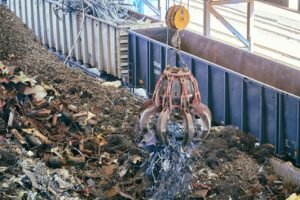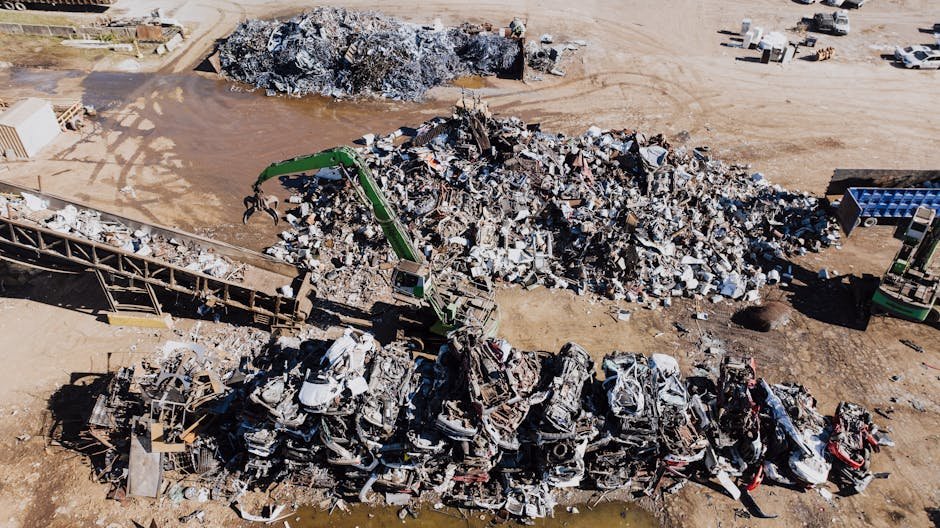

Scrap recycling Campbelltown is a vital industry that supports sustainability and resource efficiency. By understanding the grades of scrap, the recycling process, and its environmental impact, individuals and businesses can contribute to a circular economy while benefiting from cost-effective material management.
Overview of Scrap Recycling in Campbelltown
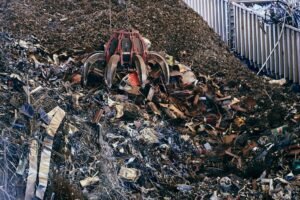
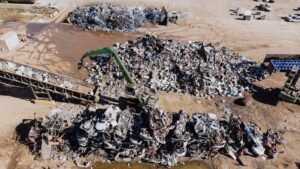
Scrap recycling Campbelltown plays a critical role in Australia’s waste management and industrial sectors. The region, known for its manufacturing and automotive industries, generates significant volumes of scrap metal annually. Recycling these materials prevents landfill accumulation, conserves natural resources, and reduces the energy required to produce new metals. Scrap recycling Campbelltown services cater to both residential and commercial clients, offering competitive pricing and efficient collection systems.
Grades of Scrap Metal in Campbelltown
Scrap metal is categorized into distinct grades based on material type, purity, and usability. In Campbelltown, the primary categories include:
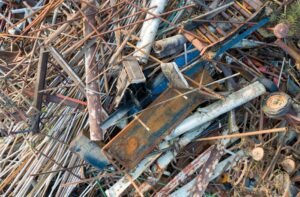
- Ferrous Metals: Iron and steel alloys, identifiable by their magnetic properties. Common examples include construction scraps, automotive parts, and household appliances.
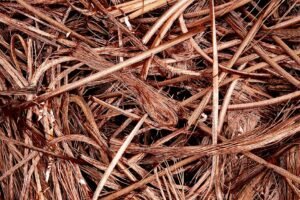
- Non-Ferrous Metals: Non-magnetic metals like copper, aluminum, brass, and zinc. These are valued for their conductivity and resistance to corrosion.
- Refractory Metals: High-temperature-resistant metals such as tungsten and molybdenum, used in specialized industrial applications.
- Stainless Steel: A subset of ferrous metals but graded separately for its chromium and nickel content, making it ideal for medical equipment and food processing machinery.
For detailed insights into specific grades and their market value, refer to What Scrap Trade Actually Is.
How the Scrap Recycling Process Works
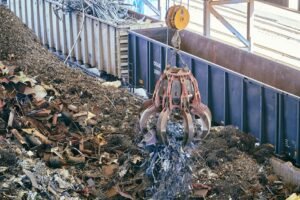
The recycling process in Campbelltown follows a structured workflow to ensure maximum efficiency:
- Collection: Scrap is gathered from households, businesses, or demolition sites via scheduled pickups or drop-off centers.
- Sorting: Materials are separated by type and grade using manual labor, magnets, X-ray fluorescence (XRF) scanners, and optical sorters.
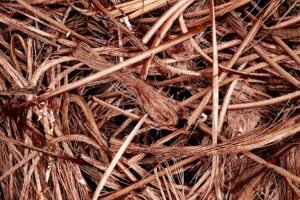
- Processing: Metals are shredded, cut, or melted to remove contaminants. For example, copper wiring is stripped to isolate pure copper.
- Refining: Purified metals are melted and cast into ingots or sheets for reuse in manufacturing.
- Redistribution: Recycled metals are sold to foundries, automotive manufacturers, or construction companies.
For a deeper comparison of recycling versus trading, explore Scrap Trading Vs Recycling Business.
Environmental Benefits of Scrap Recycling
Recycling scrap metal in Campbelltown significantly reduces environmental degradation. Key benefits include:
- Energy Savings: Recycling aluminum uses 95% less energy than producing new aluminum from bauxite ore.
- CO2 Reduction: Recycling 1 ton of steel saves 1.5 tons of iron ore and 0.5 tons of coal, cutting greenhouse gas emissions.
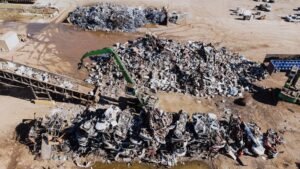
- Landfill Diversion: In 2022, Campbelltown diverted over 45,000 tons of scrap metal from landfills, equivalent to 10,000 trucks of waste.
- Resource Conservation: Recycling reduces the need for mining, preserving ecosystems and reducing water pollution from mining runoff.
Local initiatives like Scrap Metal Recycling Near Me help residents participate in these sustainability efforts.
Practical Tips for Scrap Recycling in Campbelltown
Maximize the value and efficiency of your scrap recycling efforts with these strategies:
- Sort Materials: Separate ferrous and non-ferrous metals to increase your payout.
- Remove Contaminants: Clean scrap of oil, chemicals, or dirt to avoid processing delays.
- Use Local Services: Partner with certified recyclers like Scrap Trade for transparent pricing and eco-friendly practices.
- Track Market Rates: Prices for scrap fluctuate based on global demand. Monitor trends to sell at optimal times.
- Explore Commercial Options: Businesses can recycle large volumes through bulk agreements with local providers.
Scrap Recycling in Campbelltown vs. Surrounding Areas
While scrap recycling Campbelltown is a hub for regional recycling, neighboring areas like scrap recycling minto offer specialized services. For instance, Minto focuses on electronics and rare metals, whereas Campbelltown excels in construction and automotive scrap. Collaborative networks between these regions ensure comprehensive coverage for all scrap types.
Community and Economic Impact
Scrap recycling in Campbelltown supports local employment, with over 800 jobs in collection, processing, and logistics. It also stimulates the economy by reducing the cost of raw materials for manufacturers. Additionally, schools and community groups partner with recyclers to educate residents about sustainability. For more regional insights, visit Scrap Trade Australia.
Challenges and Innovations in Recycling
Despite its benefits, the industry faces hurdles like contamination, fluctuating market prices, and regulatory compliance. Innovations such as AI-powered sorting systems and blockchain-based tracking are addressing these issues. Campbelltown-based firms are adopting electric collection vehicles to further reduce their carbon footprint.
Frequently Asked Questions
What are the most valuable scrap metals in Campbelltown?
Copper and aluminum are among the highest-value non-ferrous metals. Copper wiring and aluminum cans fetch premium prices due to their widespread industrial use.
How can I identify different grades of scrap metal?
Use a magnet to test for ferrous metals (iron/steel). For non-ferrous metals, consult a recycling center’s grading guide or use a XRF scanner for precise identification.
What happens to hazardous materials during recycling?
Hazardous materials like batteries or refrigerants are safely extracted before processing. Certified facilities handle these items to comply with environmental regulations.
Why should businesses recycle scrap metal?
Recycling reduces disposal costs, supports corporate sustainability goals, and may qualify for government incentives. It also ensures a steady supply of affordable raw materials for manufacturers.
Related: scrap metal recycling campbelltown
Frequently Asked Questions
What are the most valuable scrap metals in Campbelltown?
Copper and aluminum are among the highest-value non-ferrous metals. Copper wiring and aluminum cans fetch premium prices due to their widespread industrial use.
How can I identify different grades of scrap metal?
Use a magnet to test for ferrous metals (iron/steel). For non-ferrous metals, consult a recycling center’s grading guide or use a XRF scanner for precise identification.
What happens to hazardous materials during recycling?
Hazardous materials like batteries or refrigerants are safely extracted before processing. Certified facilities handle these items to comply with environmental regulations.
Why should businesses recycle scrap metal?
Recycling reduces disposal costs, supports corporate sustainability goals, and may qualify for government incentives. It also ensures a steady supply of affordable raw materials for manufacturers.