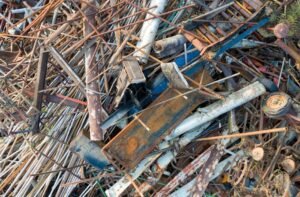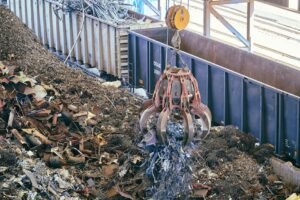

The phrase scrap selling website has become increasingly central to the Australian recycling ecosystem, transforming how individuals, contractors, and industrial operators manage metal waste. No longer limited to driving to local scrapyards or relying on word-of-mouth networks, Australians now leverage digital platforms to find reliable buyers, compare offers, and ensure they receive the best price for their scrap. A modern scrap selling website serves as a bridge between supply and demand in the scrap metal industry, streamlining transactions, improving transparency, and promoting sustainable resource recovery. Whether you’re a homeowner clearing out an old renovation or a telecom company decommissioning infrastructure, understanding how to use a scrap selling website effectively is key to maximizing returns and minimizing environmental impact.
How to Use a Scrap Selling Website to Sell Scrap Metal
A scrap selling website is more than just an online listing platform — it’s a comprehensive marketplace that connects sellers with verified scrap dealers across Australia. These platforms typically allow users to list their scrap metal by type, quantity, and location, enabling nearby recyclers and scrap metal exporters to submit competitive bids. The process begins with identifying the types of metals you have, accurately categorizing them, and providing clear photos and descriptions. Many platforms integrate real-time market pricing, so sellers can benchmark their expected returns before committing to a sale.
To get started, sellers create an account on a trusted scrap trading platform such as Scrap.Trade, a leading digital marketplace for scrap metal in Australia. Once registered, users can upload details about their scrap load, including weight estimates, metal grades, and pickup availability. Buyers then review these listings and offer competitive pricing. The seller selects the best offer, negotiates terms if needed, and arranges for pickup or drop-off. This digital approach eliminates guesswork and significantly reduces the time between discovery and payment.
One of the critical advantages of using a scrap selling website is access to a broader network of buyers. Instead of being limited to one or two local scrapyards, sellers can engage with regional processors, interstate recyclers, and even international scrap metal exporter operations that may offer premium rates for certain grades. This competitive environment drives up the best price available and ensures fair market value for all participants.
How to Get the Best Price When Selling Scrap
Securing the best price when selling scrap involves more than just listing your materials — it requires preparation, market awareness, and strategic timing. A successful seller knows that pricing fluctuates based on global commodity markets, local supply-demand imbalances, and the purity of the scrap being sold. Using a scrap selling website gives you a distinct advantage: transparency. You can view multiple offers, compare net returns after transportation costs, and select the deal that truly delivers the best price.
Several factors influence the value of scrap metal:
- Metal Grade: Higher purity means higher value. Clean, sorted copper fetches a much better price than mixed electrical wire with insulation.
- Quantity: Bulk loads typically receive better per-kilogram rates due to reduced handling and processing costs.
- Market Trends: Global demand for steel, aluminium, and copper directly affects local scrap prices. Monitoring trends via your scrap selling website helps time your sale optimally.
- Location: Proximity to processing facilities impacts transportation costs, which can erode margins if not accounted for.
To maximize returns, always separate and sort your scrap by metal type. For example, separating aluminium from steel, or stripping insulation from copper wire, can increase your payout by 20–40%. Use digital tools offered by platforms like Scrap.Trade to access real-time price indices and track historical trends. Many leading scrap metal recycling companies in Australia publish daily or weekly rate updates, which are often integrated into scrap selling websites for user convenience.
Another strategy to get paid more is to bundle related materials. If you’re a contractor handling HVAC decommissioning, for instance, using the Hvac Scrap Metal Selling Guide can help you identify high-value components like copper tubing, aluminium fins, and stainless steel fasteners. Bundling these into a single, well-documented load makes it easier for buyers to assess value and offer competitive pricing.
Where to Sell Scrap: From Local Yards to Digital Marketplaces
Traditionally, “where to sell” scrap meant visiting a local scrap dealer with a weighbridge and a fence full of crushed cars. While physical scrapyards remain essential, the rise of the scrap selling website has dramatically expanded options. Today, sellers can choose from:
- Local scrapyards: Ideal for small loads or immediate cash for scrap. Many offer same-day payment upon verification.
- Regional processors: Larger facilities that handle industrial volumes and often pay higher rates due to economies of scale.
- Digital marketplaces: Platforms like Scrap.Trade connect sellers with hundreds of buyers nationwide, increasing competition and driving up prices.
- Specialized recyclers: Companies focusing on niche sectors like telecom, construction, or electronics recycling often pay premiums for targeted materials.
When deciding where to sell, consider not just the quoted price but also convenience, safety, and compliance. Reputable scrapyards and online platforms require ID and maintain transaction logs to prevent theft and support anti-fencing laws. A scrap selling website enhances trust by featuring verified buyers, user reviews, and secure communication channels.
For businesses managing large-scale decommissioning projects — such as data centers or telecommunications infrastructure — the Telecom Scrap Metal Selling Guide provides sector-specific insights on identifying valuable components like server racks, copper grounding bars, and power distribution units. These materials often command higher prices when sold as a packaged lot to specialists who understand their reuse potential.
Additionally, sellers should verify that any buyer — whether local or online — is affiliated with a recognized scrap metal association. Membership in industry bodies indicates adherence to ethical practices, environmental standards, and fair trading policies. This is especially important when dealing with high-value or regulated materials.
Documents and Requirements When Selling Scrap Metal
Selling scrap metal in Australia is a regulated activity designed to combat metal theft and ensure traceability. Whether you’re using a physical scrap dealer or a digital scrap selling website, you’ll need to provide documentation to complete the transaction legally. The specific requirements vary slightly between states, but core elements remain consistent nationwide.
Essential documents typically include:
- Valid Photo ID: Driver’s license, passport, or proof of age card. This is mandatory for all sellers, individuals and businesses alike.
- Proof of Ownership: Invoices, removal notices, or site permits showing you have the right to dispose of the material.
- Business Documentation (if applicable): ABN, company registration, or letter of authorization for contractors selling on behalf of clients.
- Transaction Record: A receipt or electronic record of the sale, including weight, price per kg, total payment, and buyer details.
Scrap selling websites often streamline this process by integrating digital ID verification and document upload features. Sellers can scan and submit required paperwork before arranging pickup, reducing delays and ensuring compliance. Some platforms also offer automated compliance checks based on state regulations — for example, flagging suspicious items like unmarked copper cable lengths that may trigger additional scrutiny.
For high-value transactions — typically over $500 — additional verification may be required. This could include a statutory declaration or police clearance, especially if the material is being sold without prior documentation. Always keep copies of all submitted documents and transaction records for at least 12 months, as authorities may audit scrap sales for compliance.
One critical step before finalizing any sale is to verify scrap buyers before selling. This protects you from fraud, ensures payment reliability, and confirms the buyer’s licensing status. Reputable scrap selling websites vet all registered dealers, displaying badges or verification icons next to their profiles. Look for indicators like ABN registration, physical address, and customer feedback before accepting an offer.
Understanding Scrap Metal Grades and Their Value
Not all scrap metal is created equal. The value of your material depends heavily on its grade — a classification based on composition, purity, and form. A scrap selling website often includes built-in grade reference tools to help users identify and categorize their materials correctly. Misidentifying a metal can cost you hundreds or even thousands of dollars in lost revenue.
Common scrap metal grades in Australia include:
- Copper #1: Bare, unalloyed copper wire or tubing with no tarnish or coating. Highest value among common non-ferrous metals.
- Copper #2: Slightly oxidized or insulated copper, such as household wiring. Valued slightly lower than #1.
- Aluminium Clean Insulated Wire: Used in HVAC and electrical systems; higher value when stripped.
- Aluminium Extrusions: Window frames, siding, and structural components. Clean, paint-free pieces fetch premium rates.
- Stainless Steel 304: Kitchen equipment, sinks, and industrial fittings. Non-magnetic and highly durable.
- Stainless Steel 316: Marine-grade stainless with added molybdenum. Higher value due to corrosion resistance.
- Galvanized Steel: Coated steel used in roofing and ducting. Lower value than bare steel due to processing complexity.
- Cast Iron: Engine blocks, pipes, and machinery. Heavier and less valuable per kg than steel but still recyclable.
Ferrous metals (iron and steel) are generally lower in value than non-ferrous (copper, aluminium, brass), but they make up the bulk of scrap tonnage. Non-ferrous metals are in high demand due to their use in electronics, construction, and renewable energy systems, making them more lucrative per kilogram.
Accurate grading requires knowledge and sometimes testing. Many scrap dealers use handheld XRF (X-ray fluorescence) analyzers to verify alloy composition. On a scrap selling website, you can upload photos and descriptions for remote assessment, or request a buyer to inspect the material in person. Never guess — always confirm the grade before accepting an offer to avoid disputes or downgrades at the processing facility.
How the Scrap Metal Recycling Process Works
Once your scrap is sold and collected, it enters a sophisticated recycling supply chain that transforms waste into valuable raw materials. Understanding this process enhances appreciation for the role of the scrap selling website in promoting circular economy principles.
The recycling journey typically follows these stages:
- Collection: Scrap is picked up from the seller or dropped off at a processing yard.
- Sorting: Materials are separated by type using magnets, eddy currents, and manual labor. Advanced facilities use AI-assisted sorting systems.
- Shredding: Large items like cars or appliances are shredded into smaller pieces for easier handling.
- Purification: Contaminants such as plastic, rubber, or dirt are removed through washing, screening, or thermal treatment.
- Melting: Sorted metals are melted in furnaces at high temperatures. Energy use is significantly lower than mining and refining virgin ore.
- Casting: Molten metal is poured into ingots, billets, or coils for transport to manufacturers.
- Manufacturing: Recycled metal is used to produce new products — from cars and cans to solar panels and smartphones.
This closed-loop system reduces reliance on finite natural resources and cuts greenhouse gas emissions. For example, recycling aluminium saves up to 95% of the energy required to produce new aluminium from bauxite. Similarly, recycling steel reduces CO₂ emissions by about 58% per tonne compared to primary production.
Digital platforms play a growing role in optimizing this chain. A scrap selling website can provide real-time data on material flows, helping recyclers plan processing schedules and exporters coordinate shipping. This efficiency reduces waste, lowers costs, and ensures that more material stays in productive use.
Environmental and Economic Benefits of Using a Scrap Selling Website
The shift toward digital scrap trading isn’t just about convenience — it’s a powerful driver of sustainability and economic resilience. By making it easier to sell scrap and get paid, a scrap selling website encourages more people and businesses to participate in recycling, diverting millions of tonnes of metal from landfill each year.
Key environmental benefits include:
- Resource Conservation: Recycling one tonne of steel saves 1,100 kg of iron ore, 630 kg of coal, and 55 kg of limestone.
- Energy Savings: Recycled metals require far less energy to process than virgin materials, reducing fossil fuel dependence.
- Lower Emissions: Metal recycling significantly cuts CO₂, SO₂, and nitrogen oxide emissions associated with mining and refining.
- Landfill Diversion: Metals are non-biodegradable and can leach toxins over time. Keeping them out of landfill protects soil and water quality.
From an economic perspective, the scrap metal industry supports thousands of jobs across Australia — from collection and sorting to logistics and export. Digital platforms amplify this impact by connecting regional sellers with national and global markets. Small businesses and individual sellers gain access to better prices, while recyclers improve supply chain efficiency.
Moreover, transparent pricing and verified transactions build trust in the industry. When people know they can sell scrap safely and get paid fairly, participation increases. This virtuous cycle strengthens the circular economy and reduces Australia’s environmental footprint.
Conclusion: Maximize Value and Sustainability with the Right Scrap Selling Website
A scrap selling website is no longer a novelty — it’s an essential tool for anyone looking to sell scrap metal responsibly and profitably in Australia. From homeowners cleaning out garages to large-scale industrial operators managing decommissioning projects, these platforms offer unmatched advantages: access to competitive buyers, real-time pricing, compliance support, and environmental impact tracking.
To get the best price, always sort and grade your materials accurately, verify your buyers, and use sector-specific resources like the Hvac Scrap Metal Selling Guide or Telecom Scrap Metal Selling Guide. Ensure you have the correct documentation and understand local regulations to avoid delays. And remember, by choosing to recycle through a reputable platform, you’re not just getting paid — you’re contributing to a cleaner, more sustainable future.
Whether you’re exploring where to sell for the first time or optimizing an existing recycling workflow, start with a trusted scrap metal trading platform that connects you with verified dealers, exporters, and industry partners. Join the growing community of Australians turning waste into wealth — one kilogram at a time.
Frequently Asked Questions
What is a scrap selling website?
A scrap selling website is an online platform that connects individuals and businesses with certified scrap dealers to sell metal waste. It streamlines the selling process by enabling price comparisons, verified transactions, and secure payments.
How do I get the best price for my scrap metal?
To get the best price, sort and clean your scrap by metal type, sell in bulk, monitor market trends, and use a scrap selling website to receive competitive bids from multiple verified buyers across Australia.
What documents do I need to sell scrap metal in Australia?
You typically need valid photo ID, proof of ownership of the material, and business documentation if applicable. High-value transactions may require additional verification like a statutory declaration.
Are scrap selling websites safe and legal?
Yes, reputable scrap selling websites are safe and compliant with Australian regulations. They verify buyers, enforce ID requirements, and maintain transaction records to prevent metal theft and ensure transparency.