
The phrase scrap sold captures the culmination of a vital industrial cycle in Australia’s circular economy. When recyclable metals are collected, sorted, and sold to processing facilities, they re-enter manufacturing as raw materials—reducing waste, lowering carbon emissions, and generating economic value. Understanding what happens when scrap is sold, how it’s categorized, and why proper classification matters can empower individuals and businesses to make smarter, more profitable, and environmentally responsible decisions.
What Does ‘Scrap Sold’ Actually Mean?
When we say scrap sold, we’re referring to the formal transaction of recyclable metal materials from generators (such as households, construction sites, or industrial facilities) to scrap metal recyclers or trading platforms. This process is not simply about offloading unwanted metal—it’s a structured exchange where materials are evaluated, priced, and transferred based on standardized criteria including purity, weight, and global market conditions.
In Australia, the scrap metal industry is a multi-billion-dollar sector that supports steel production, automotive manufacturing, and infrastructure development. Every tonne of scrap sold contributes to reducing Australia’s reliance on virgin ore extraction, conserving energy, and minimizing landfill use. The term ‘scrap sold’ encapsulates not only the financial exchange but also the beginning of a recycling journey that transforms old metal into new products.
For example, when a demolition company sells copper wiring removed from an old building, that material is scrap sold to a metals broker or recycling yard. It is then graded, processed, and eventually shipped to smelters where it’s refined and reused in electrical systems. The accuracy of grading directly affects the price received—making transparency and knowledge critical in every transaction.
Common Grades of Scrap Metal in Australia
One of the most important factors determining the value of scrap sold is its grade. Scrap metal is not a one-size-fits-all commodity; rather, it’s categorized into specific grades based on composition, contamination level, and physical condition. These grades ensure consistency in pricing and processing across the industry. Let’s explore the primary categories of scrap metal commonly traded in Australia.
Ferrous vs. Non-Ferrous Metals
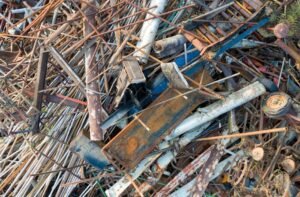
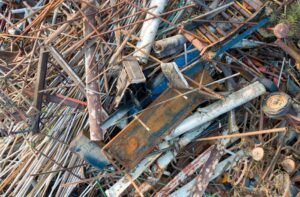
Scrap metals are broadly divided into two categories: ferrous and non-ferrous. Ferrous metals contain iron and are magnetic. They are typically less valuable than non-ferrous metals but are more abundant due to their use in construction, automotive frames, and industrial machinery. Common ferrous scrap includes:
- Mild Steel (Sheet or Plate): Often sourced from appliances, vehicles, and structural beams.
- Cast Iron: Found in engine blocks, pipes, and stoves. Slightly higher carbon content than steel.
- Rebar: Steel reinforcement bars from demolished concrete structures.
- Turnings and Borings: Metal shavings from machining operations—often require bundling or briquetting for sale.
Non-ferrous metals, lacking iron, are non-magnetic and generally command higher prices due to their resistance to corrosion and utility in high-performance applications. Key non-ferrous grades include:
- Copper: Divided into bare bright (clean, uncoated wire), number 1 (insulated but clean), and number 2 (tarnished or slightly contaminated).
- Aluminium: Includes clean extrusions, cast alloys (from engine parts), and mixed scrap. Clean aluminium fetches premium rates.
- Stainless Steel: Graded by alloy content (e.g., 304, 316). Used in kitchenware, medical devices, and industrial equipment.
- Lead: Primarily from batteries and shielding materials.
- Zinc and Brass: Often recovered from plumbing fixtures and industrial components.
Each grade has market-specific pricing, updated daily on platforms like Scrap, which provides real-time insights into current buy rates across Australian regions. Misgrading—even unintentionally—can lead to downgrades at weighbridges or rejection by recyclers, so proper identification is essential.
How the Scrap Recycling Process Works
The journey of scrap sold doesn’t end at the weighbridge—it begins a complex industrial transformation. Once scrap is accepted and paid for, it enters a multi-stage recycling process designed to purify, reprocess, and reintroduce the material into manufacturing supply chains.
Step 1: Collection and Transportation
Scrap is collected from various sources: households via drop-off centres, industrial facilities through scheduled pickups, or large-scale projects like building demolitions. Transport logistics play a crucial role in cost-efficiency. For large-volume sellers, partnering with services like big scrap ensures timely, compliant removal and maximizes return on bulk loads.
Step 2: Sorting and Grading
At recycling facilities, incoming loads are inspected and sorted using a combination of manual labour, magnetic separation, eddy current systems, and X-ray fluorescence (XRF) analyzers. These technologies help distinguish between metal types and detect hazardous materials (e.g., PCBs in old capacitors or radioactive sources in industrial sensors).
Accurate sorting ensures that high-value grades like clean copper aren’t diluted by contamination, which could reduce the entire batch’s market value. This stage reinforces why generators must pre-sort whenever possible—doing so improves yield and strengthens trust with buyers.
Step 3: Processing and Preparation
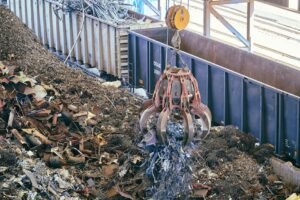
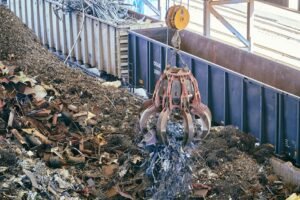
After sorting, scrap undergoes size reduction. Shredders break down cars and appliances into fist-sized pieces. Shears cut thick steel beams. Balers compress light gauge materials like aluminium cans. Some metals, like copper wire, go through granulators to separate metal from plastic insulation.
Processed scrap is then stored in designated bays before shipment. Many recyclers use covered storage to prevent moisture absorption, which can affect weight and quality—especially important when dealing with hygroscopic materials or during Australia’s wet seasons.
Step 4: Melting and Refining
The final destination for most scrap sold is a smelter or foundry. Here, metals are melted in electric arc furnaces (EAFs) or induction furnaces. Ferrous scrap fuels EAF steelmaking, which accounts for over 60% of global steel production and uses up to 100% recycled content.
During melting, impurities rise to the surface as slag and are removed. Alloying elements may be added to meet specifications for new products. For instance, recycled aluminium might be blended with small amounts of magnesium or silicon to produce specific grades for automotive casting.
The output—molten metal—is cast into ingots, billets, or slabs and shipped to manufacturers. A recycled steel beam from Sydney could become part of a new bridge in Perth; recycled copper might reappear in solar inverter systems sold nationwide.
Environmental Benefits of Selling Scrap Responsibly
Selling scrap isn’t just economically rewarding—it’s a powerful environmental act. Each time scrap is sold and recycled, it displaces the need for primary resource extraction, reduces greenhouse gas emissions, and conserves finite natural resources.
Energy Savings and Carbon Reduction
Recycling metals saves enormous amounts of energy compared to producing them from raw ore. For example:
- Recycling steel saves up to 60% of the energy required for virgin production.
- Recycling aluminium saves over 95% of the energy needed to refine bauxite.
- Copper recycling uses only about 15% of the energy required for ore processing.
In practical terms, recycling one tonne of aluminium avoids approximately 11 tonnes of CO₂ emissions—the equivalent of taking two cars off the road for a year. With Australia’s National Greenhouse and Energy Reporting (NGER) framework pushing industries toward net-zero, recycling scrap sold plays a measurable role in corporate sustainability goals.
Resource Conservation and Landfill Diversion
Australia generates over 70 million tonnes of construction and demolition waste annually, much of which contains recoverable metals. By selling scrap instead of dumping it, businesses and individuals help reduce pressure on landfills, many of which are nearing capacity in urban areas like Melbourne and Brisbane.
Metals are infinitely recyclable without degradation in quality. Unlike plastics or paper, which degrade over cycles, a piece of copper can be recycled repeatedly without losing conductivity. This permanence makes metal recycling one of the most sustainable industrial practices available today.
Supporting Circular Economy Goals
The concept of a circular economy—where materials are kept in use for as long as possible—relies heavily on effective scrap trading. When scrap is sold correctly and processed efficiently, it closes the loop between consumption and production.
Australia’s Recycling and Waste Reduction Act 2020 emphasizes the importance of domestic recycling infrastructure and market development. Initiatives like the federal government’s Product Stewardship Scheme encourage manufacturers to take responsibility for end-of-life products, further boosting the volume and quality of scrap sold domestically.
How to Maximize Returns When You Sell Scrap
Getting the best price when scrap is sold requires preparation, timing, and knowledge. Here are expert-backed strategies to improve your returns:
1. Know Your Grades
As discussed earlier, misidentification is the biggest cause of undervaluation. Use resources like the What Is Scrap Trade guide to familiarize yourself with common classifications. Invest in a magnet set and digital calipers to test metal types and thicknesses on-site.
2. Clean and Separate
Contaminants like dirt, plastic, rubber, or mixed metals can significantly reduce the value of your load. Strip insulation from copper wire. Remove stainless steel fittings from aluminium frames. Separate lead batteries from other materials. Clean, sorted loads often receive premium pricing.
3. Time the Market
Global commodity prices fluctuate daily based on supply chain trends, geopolitical events, and manufacturing demand. Monitor indices like the London Metal Exchange (LME) or Australian Scrap Metal Prices Dashboard at scrap cs to identify high-price windows. For instance, copper prices often peak during infrastructure booms or before major construction seasons.
4. Choose Reputable Buyers
Not all recyclers offer fair prices or ethical practices. Look for licensed facilities with transparent pricing, Weights and Measures-certified scales, and auditable records. Platforms like Sell Scrap connect sellers with verified buyers across Australia, streamlining the process and ensuring competitive rates.
5. Bundle Small Loads
If you generate small amounts of high-grade scrap (e.g., electricians with leftover wire), consider storing material safely until you have enough for a full load. Transport costs eat into margins, so larger, consolidated shipments typically yield better per-kilo returns.
6. Maintain Documentation
Keep records of weights, prices, and receipts. This helps track profitability, supports tax reporting, and builds credibility if you become a regular supplier. Some recyclers offer loyalty programs or volume discounts for consistent contributors.
The Role of Digital Platforms in Modern Scrap Trading
Technology is transforming how scrap is sold in Australia. Traditional methods—driving loads to local yards and negotiating cash payments—are being supplemented by digital marketplaces that increase transparency, competition, and convenience.
Platforms like ScrapTrade Australia provide online quoting, pickup scheduling, live pricing, and digital payments. These tools reduce friction for both small-scale generators and large industrial clients. For example, a solar installation company removing old inverters can upload photos, receive instant offers, and book a pickup—all without leaving the jobsite.
Digital platforms also enhance traceability. By recording the origin, grade, and destination of scrap sold, they support compliance with environmental regulations and enable participation in green procurement programs. Some systems even integrate with accounting software, automating invoicing and reconciliation.
Moreover, data analytics from these platforms help predict price trends, optimize logistics, and identify emerging scrap streams—such as lithium-ion batteries from electric vehicles or rare earth elements from decommissioned wind turbines. Staying ahead of these shifts allows proactive sellers to capture early-mover premiums.
Legal and Safety Considerations in Scrap Sales
While selling scrap is generally straightforward, it’s governed by legal and safety standards designed to prevent theft, environmental harm, and unsafe handling practices.
Licensing and Identification Requirements
In most Australian states, scrap metal recyclers must be licensed under environmental protection or resource recovery acts. Sellers of certain materials—especially copper, lead, and catalytic converters—may be required to present photo ID and sign declarations confirming ownership. These measures combat metal theft, which costs Australian industries over $50 million annually.
Always deal with licensed facilities. You can verify a recycler’s credentials through state EPA websites or industry associations like the Australian Council of Recycling (ACOR).
Hazardous Material Handling
Some scrap contains hazardous components: asbestos in old boilers, refrigerants in HVAC units, or mercury switches in vintage cars. These items must be removed and disposed of separately under hazardous waste regulations. Including them in general scrap loads can result in fines, rejected deliveries, or environmental liability.
If you’re uncertain whether a material is safe to recycle, consult your local council or a licensed waste assessor before offering it for sale.
Personal and Site Safety
Handling scrap metal poses physical risks—sharp edges, heavy lifting, and exposure to dust or fumes. Use appropriate PPE (gloves, eye protection, steel-toe boots) when sorting or loading. Ensure storage areas are secure and well-organized to prevent accidents.
For businesses, implementing a scrap management plan improves safety and compliance. This includes training staff, marking designated storage zones, and maintaining spill kits for oily or contaminated materials.
By adhering to these principles, you protect not only your team but also the integrity of the scrap sold—ensuring it meets buyer expectations and contributes positively to the recycling ecosystem.
Frequently Asked Questions
What determines the price when scrap is sold?
The price of scrap sold depends on its grade, purity, weight, and current global commodity market rates. Non-ferrous metals like copper and aluminium typically fetch higher prices than ferrous metals, and clean, well-sorted loads receive better offers.
Can anyone sell scrap metal in Australia?
Yes, individuals and businesses can sell scrap, but they may need to provide photo ID and proof of ownership, especially for high-value materials like copper or catalytic converters, to comply with anti-theft regulations.
How often do scrap metal prices change?
Scrap metal prices can fluctuate daily based on international markets, supply and demand, and exchange rates. It’s best to monitor platforms like scrap cs for real-time updates before selling.
Is recycling scrap metal environmentally beneficial?
Absolutely. Recycling scrap metal reduces the need for mining, saves energy, lowers greenhouse gas emissions, and prevents landfill waste. For example, recycling aluminium saves up to 95% of the energy required for primary production.