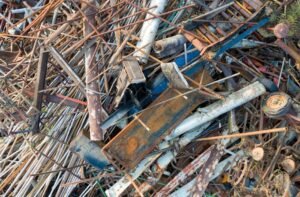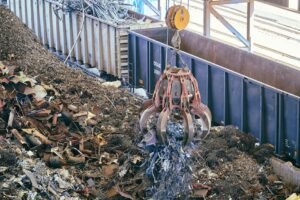

Effective scrap sourcing forms the backbone of the global metal industry, providing a sustainable and economically vital stream of raw materials. For businesses and individuals across Australia, understanding the intricacies of this process—from the specific grades of scrap to the complex journey of recycling—is key to participating responsibly and profitably in the market. This comprehensive guide will delve into every aspect of scrap sourcing, empowering you with the knowledge to navigate this dynamic field. We will explore the different classifications of scrap metal, demystify the recycling process, and highlight the profound environmental and economic advantages of choosing to recycle.
Understanding the Fundamentals of Scrap Metal
Before diving into the specifics of sourcing, it’s essential to grasp what constitutes scrap metal. In simple terms, scrap is any metal material that has reached the end of its useful life but retains significant intrinsic value due to its recyclable properties. This can range from a discarded aluminium can to decommissioned industrial machinery. The entire system of buying, selling, and processing this material is known as What Is Scrap Trade, a multi-billion dollar industry that underpins modern manufacturing. Engaging in what is scrap trading involves understanding market dynamics, commodity prices, and logistical chains that connect sellers with end consumers, such as smelters and mills.
The Critical Importance of Scrap Grades
Not all scrap is created equal. The entire scrap sourcing and recycling ecosystem relies on a sophisticated grading system that categorizes metals based on their type, purity, and physical form. Accurate grading is paramount as it directly determines the value of the material and ensures it is routed to the correct recycling stream. Misgraded scrap can contaminate an entire batch, drastically reducing its value and complicating the smelting process.
Ferrous vs. Non-Ferrous Scrap
The first and most critical distinction is between ferrous and non-ferrous metals.
- Ferrous Scrap: This category encompasses all iron and steel-based metals. They are primarily characterized by their magnetic properties (a quick test with a magnet will confirm this) and their susceptibility to rust. Common examples include structural steel from demolished buildings, old cars, appliances (white goods), and steel beams. While abundant, ferrous scrap typically commands a lower price per tonne than non-ferrous metals.
- Non-Ferrous Scrap: This category includes metals that do not contain iron in significant amounts. They are non-magnetic and generally more resistant to corrosion. This category is where significant value is often found. Key non-ferrous metals include:
- Copper: Highly valuable, found in electrical wiring, plumbing pipes, and motors. Grades include #1 bright bare copper, #2 copper, and light copper.
- Aluminium: Lightweight and common, sourced from beverage cans, window frames, automotive parts, and siding. Clean extruded aluminium is more valuable than painted or mixed cast aluminium.
- Stainless Steel: A special ferrous alloy containing chromium (and often nickel) that makes it highly corrosion-resistant. It is non-magnetic or weakly magnetic. It is graded by type (e.g., 304, 316).
- Brass & Bronze: Copper alloys. Brass (copper and zinc) is found in plumbing fixtures and decorative items. Bronze (copper and tin) is used in bearings and bushings.
- Lead: Primarily from batteries and roofing materials.
- Precious Metals: Including silver, gold, and platinum, often recovered from electronic waste (e-waste) and catalytic converters.
Prepared vs. Unprepared Scrap
Beyond metal type, scrap is graded on its preparation.
- Prepared Grades: This material has been properly processed to meet specific mill specifications. This can involve removing attachments (e.g., stripping steel beams of concrete), cleaning (removing dirt, plastic, or other contaminants), and shearing or baling to a manageable size. Prepared scrap fetches a higher price.
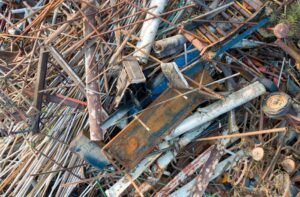
- Unprepared Grades: Often referred to as assorted scrap, this is a mixed load that may contain various metals, contaminants, or attachments. It requires significant processing at the yard and is therefore paid at a lower rate. Learning how to properly prepare your material is the first step to maximizing your return when you Sell Scrap.
The Scrap Sourcing and Recycling Journey: From Waste to New Product
The path from discarded item to new metal product is a remarkable feat of modern logistics and metallurgy. Understanding this process highlights the complexity and importance of the industry.
1. Collection and Sourcing
The journey begins with collection. Scrap is sourced from a vast network of streams:
- Industrial Source: Factories and manufacturers generate consistent, high-volume waste known as “prompt” or “home” scrap, which is often very clean and well-defined.
- Commercial Source: Demolition companies, plumbers, electricians, and auto wreckers provide large quantities of obsolete scrap.
- Domestic Source: Individual consumers contribute through council collection schemes, recycling bins, and by taking items directly to local scrap yards.
Companies like Scrap Trade act as vital intermediaries, connecting these diverse sources with the recycling infrastructure.
2. Sorting and Processing
Once collected, the material is transported to a scrap yard or material recovery facility (MRF) for sorting. This is a highly skilled process involving both manual labour and advanced technology.
- Manual Sorting: Workers visually identify and separate different metal types.
- Magnetic Separation: Large overhead magnets effortlessly extract ferrous metals from conveyor belts of mixed waste.
- Eddy Current Separators: These systems use magnetic fields to repel non-ferrous metals, ejecting them from a mixed waste stream.
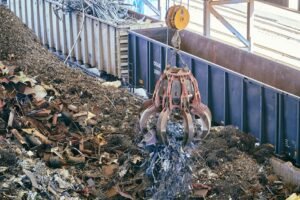
- Shearing, Baling, and Shredding: Large ferrous scrap is sheared into smaller pieces. Loose, thin-gauge metals (like car bodies or white goods) are compressed into dense bales. Automobiles and other large items are fed into powerful shredders that tear them into fist-sized pieces, facilitating further separation.
3. Melting and Purification
The sorted and prepared Scrap is then shipped to mills and foundries. Here, it is charged into enormous furnaces.
- Electric Arc Furnaces (EAF): Primarily used for steel production. EAFs melt ferrous scrap using powerful electrical arcs. This method is far more energy-efficient than producing steel from virgin iron ore.
- Reverberatory Furnaces: Commonly used for melting aluminium, copper, and other non-ferrous metals. The metal is melted in a chamber where the flame does not directly touch it, preventing contamination.
During melting, alloys can be created by adding specific elements, and impurities are removed as slag, which floats to the surface and is skimmed off.
4. Solidification and Manufacturing
The molten metal is tested for composition and then poured into moulds or casters to form new products. It can be solidified into:
- Ingots: Large blocks of pure metal for storage and transport.
- Billets, Blooms, or Slabs: Semi-finished shapes that will be rolled or forged into final products like beams, sheets, or wire.
- Direct Casting: Poured directly into moulds to create new components.
This newly formed metal is functionally identical to metal produced from virgin ore and is sent to manufacturers to begin its life anew.
The Overwhelming Environmental Benefits of Scrap Sourcing
The environmental argument for robust scrap sourcing and recycling is undeniable. It is a cornerstone of the circular economy, offering profound benefits over virgin material extraction.
Massive Energy Savings
Recycling metal requires significantly less energy than mining and processing virgin ore. The energy savings are staggering:
- Aluminium: Recycling uses up to 95% less energy.
- Copper: Recycling uses up to 85% less energy.
- Steel: Recycling uses up to 74% less energy.
This massive reduction in energy consumption directly translates to a lower carbon footprint and reduced reliance on fossil fuels.
Conservation of Natural Resources
Metal ore is a finite resource. Recycling conserves these precious natural resources by reducing the need for destructive mining practices. For example, recycling one tonne of steel conserves 1,100 kilograms of iron ore, 630 kilograms of coal, and 55 kilograms of limestone.
Reduction in Landfill Waste
Metals are permanent materials; they do not degrade in a landfill. By diverting scrap metal from landfill, we save immense amounts of space and prevent soil and groundwater contamination from metals and the often-hazardous substances associated with them (e.g., oils, acids from batteries).
Lower Greenhouse Gas Emissions
The reduced energy demand of recycling directly correlates to lower emissions of greenhouse gases like carbon dioxide (CO2). Furthermore, it avoids the methane emissions that can be released during the mining process. The steel industry, in particular, has seen its emissions plummet as EAF production, which relies almost exclusively on scrap, has expanded.
Practical Tips for Effective Scrap Sourcing
Whether you’re an individual or a business, these tips will help you navigate the world of scrap more effectively and profitably.
- Know Your Metals: Learn to identify common metals. Use a magnet as your first tool—if it sticks, it’s ferrous; if not, it’s likely a more valuable non-ferrous metal.
- Sort and Separate: Your scrap’s value is maximized when it is clean and well-sorted. Separate different metals from each other and remove any non-metallic contaminants like plastic, rubber, glass, and wood.
- Stay Informed on Prices: Scrap metal prices are commodity-based and fluctuate daily. Check with local yards or online platforms to understand current market rates before you sell.
- Build a Relationship with a Reputable Yard: Find a local scrap yard or recycling partner known for fair pricing and transparent practices. Establishing a good relationship can lead to better service and valuable advice.
- Prioritize Safety: Always handle scrap with care. Wear appropriate personal protective equipment (PPE) like gloves and safety glasses. Be cautious of sharp edges, heavy items, and potentially hazardous materials within appliances or electronics.
The Economic Impact of the Scrap Industry
Beyond the environment, the scrap industry is a major economic driver. In Australia, it supports tens of thousands of jobs in collection, transportation, processing, and brokering. It provides Australian manufacturers with a affordable, domestic source of raw material, insulating them from volatile global ore prices and supply chain disruptions. For individuals and small businesses, it provides a way to generate income from waste, creating a circular economy that benefits everyone involved. The act of responsible scrap sourcing is not just an environmental choice; it’s an investment in a resilient and sustainable economic future.
Conclusion: Sourcing a Sustainable Future
Scrap sourcing is far more than just collecting old metal. It is a sophisticated, efficient, and utterly essential industry that powers modern manufacturing while safeguarding our environment. By understanding the grades of scrap, we can properly value this resource. By comprehending the recycling process, we can appreciate the engineering marvel it represents. And by recognizing the immense environmental and economic benefits, we can all make more informed choices to participate in this circular economy. Every piece of scrap metal diverted from landfill is a step towards a more sustainable and prosperous future, making informed scrap sourcing a responsibility and an opportunity for all Australians.
Frequently Asked Questions
What is the most valuable type of scrap metal?
Precious metals like gold, platinum, and silver are typically the most valuable by weight, often recovered from electronic waste and catalytic converters. Among common non-precious metals, clean, high-grade copper (such as #1 bare bright) is usually the most valuable, followed by certain grades of aluminium and stainless steel.
How can I tell the difference between ferrous and non-ferrous scrap?
The simplest and most effective method is to use a magnet. Ferrous metals, which contain iron, are magnetic and the magnet will stick strongly to them. Non-ferrous metals like aluminium, copper, and brass are not magnetic, so the magnet will not stick. This quick test is the first step in sorting your scrap.
Why does prepared scrap fetch a higher price than unprepared scrap?
Prepared scrap has been cleaned, sorted, and processed to meet specific mill specifications, meaning the recycler can melt it directly with minimal additional cost or effort. Unprepared or assorted scrap requires the recycling yard to invest labour, time, and machinery to sort, clean, and process it, costs which are deducted from the price offered to the seller.
Is recycling metal truly better for the environment than using virgin ore?
Yes, overwhelmingly so. Recycling metal conserves natural resources by reducing the need for mining, saves massive amounts of energy (up to 95% for aluminium), and significantly reduces greenhouse gas emissions and air pollution. It also diverts waste from landfill, preventing soil and water contamination and making it a cornerstone of the circular economy.