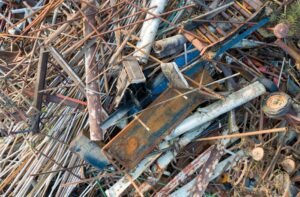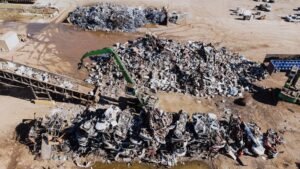

Scrap steel Bankstown is the backbone of Western Sydney’s ferrous metal circular economy. Every tonne of mild steel re-melted in the region saves 1,130 kg of iron ore, 630 kg of coal and 54 kg of limestone. Whether you are a demolition contractor, fabricator or tradesman, understanding grades, pricing levers and environmental outcomes will maximise your rebate and shrink your carbon footprint.
1. Why Scrap Steel Bankstown Matters to the Local Economy
Bankstown’s industrial corridor handles an estimated 280,000 t of ferrous metal every year, making it the second-largest scrap hub in New South Wales after Port Kembla. The area’s concentration of automotive workshops, sheet metal fabricators and construction sites generates a constant stream of mild steel off-cuts, car bodies and reinforcing bar. Because transport costs eat into margins, selling locally keeps more dollars in the western Sydney economy and reduces truck kilometres by up to 40%.
Recyclers operating within the 2200 postcode corridor pay on average $5–$15 per tonne more than distant yards because they can flip material quickly to the nearby Rooty Hill mill. That premium flows straight back to demolition companies and tradespeople who separate their loads correctly. If you want to understand What Scrap Trade Actually Is, the Bankstown model is a textbook example of urban mining.
2. Grades of Scrap Steel Explained
Australia’s steel mills and foundries buy scrap against strict specifications issued by the Australian Steel Institute. Prices move weekly, but the grade multiplier is the biggest factor after cleanliness and density. Below is the practical breakdown used by every major dealer in the Bankstown LGA.
2.1 1 Prepared (Bonus Grade)
- Maximum size 600 mm × 400 mm
- Thickness ≥ 6 mm
- 0% copper, 0% plastics, 0% wood
- Typical price spread: steel price per tonne +$45 over 2 Prepared
Think of heavy demolition plate, clean rail offcuts or structural beam off-cuts. A magnet test is mandatory; any non-ferrous attachments downgrade the load instantly.
2.2 2 Prepared (Standard Grade)
- Maximum size 1.2 m × 600 mm
- Thickness 3–6 mm
- Up to 0.5% contamination allowed
- Most common grade traded in Bankstown; sets the baseline steel price per tonne
Typical sources include car shells without engines, whitegoods frames and light gauge construction off-cuts. Correctly sizing with a hydraulic shear adds $10 per tonne to the invoice.
2.3 Shredded (Fragmentiser Grade)
- Density > 0.85 t/m³
- 95% passing 150 mm screen
- Copper ≤ 0.25%
- Premium paid only if chemistry meets mill melt plan
Shredded is the default output of the mega-shredder at Chipping Norton. If chemistry is clean, mills pay an extra $20 per tonne because melt recovery is higher. For a deeper dive, see our dedicated page on Steel Scrap Grading 1 Prepared 2 Prepared Shredded.
2.4 Bonus, Bush & Rebar Grades
Reinforcing bar (rebar) is traded separately because mills must balance manganese and carbon. Bundled rebar under 18 mm diameter attracts $15 less than 1 Prepared but is still profitable if you can deliver 25 t truckloads. Bush steel (farm disc, trenching teeth) is high-alloy and often re-sold to offshore foundries rather than domestic steelworks.
3. How Recycling Works in Practice
The journey from skip bin to new beam takes 45 days on average in the Bankstown network.
3.1 Collection & Sorting
Roll-off bins delivered to construction sites carry RFID tags that record weight, GPS location and time stamp. When full, trucks head to the Fairfield transfer station for radiation and explosive testing before entering the 10-acre Bankstown yard.
3.2 Shearing & Baling
Heavy-duty gantry shears crop oversize material to mill spec. Clean sheet metal is compressed into 400 kg bales to maximise payload density, cutting freight cost by 18%.
3.3 Shredding & Separation
A 6,000 hp hammer mill shreds cars in 12 seconds. Downstream magnets recover 98% of ferrous metal; eddy-current separators eject non-ferrous fractions. The resulting shredded grade is sampled every 30 minutes for chemical analysis.
3.4 Mill Delivery & Melting
Electric-arc furnaces at Rooty Hill melt 165 t per heat. Every 10% increase in scrap charge reduces electricity use by 5.2 kWh per tonne. Liquid steel is cast into billets, rolled into rebar, merchant bar or structural sections, re-entering the market within six weeks.
4. Environmental Benefits of Local Recycling
Recycling one tonne of scrap steel Bankstown saves 2.3 t of CO₂ equivalent compared with virgin iron-making. Add regional trucking efficiencies and the saving jumps to 2.5 t. Water consumption falls by 190 m³ and mining waste by 1,200 kg. Because the closest iron ore mine is in South Australia, the transport avoidance alone is worth 180 kg CO₂ per tonne. The NSW EPA estimates that the Bankstown cluster avoids 670,000 t of CO₂ annually—equal to taking 145,000 cars off the road.
5. Current Pricing Levers & Market Outlook
Scrap prices correlate with Turkish export quotes, AUD/USD, and domestic mill capacity utilisation. In 2024, volatility has averaged ±$28 per fortnight. Local factors include:
- Port Kembla No. 5 blast furnace restarts—adds 1.2 Mt of scrap demand
- NSW container deposit scheme—diverts council scrap from landfill, tightening supply
- Carbon credit pricing—mills now factor Scope 1 savings into bids, lifting steel price per tonne by $8–$12
Contracting quarterly instead of spot-selling can lock an extra $18 per tonne premium when the market is backwardated. Always benchmark against live ferrous metal prices on Scrap.Trade before accepting a bid.
6. Practical Tips for Maximising Your Return
6.1 Separate at Source
Keep stainless, copper and aluminium in dedicated bins. A single 2 kg piece of copper attached to a mild steel beam can downgrade 20 t from 1 Prepared to 2 Prepared, costing $900 in lost bonus.
6.2 Size & Density Matter
Shear rebar to 500 mm, stack in 1 t bundles, and tie with baling wire. Mills pay for density; loose, tangled loads are discounted $20 per tonne.
6.3 Time the Market
Prices soften in January when Turkey is offline for holidays and strengthen in March ahead of northern hemisphere construction season. Hold inventory in covered bays for up to 60 days if cash-flow allows.
6.4 Verify Weighbridge Tickets
Always tare your vehicle on the same certified bridge. Ask for a print-out with QR code; reputable yards like ScrapTrade.com.au allow real-time ticket upload to your customer portal.
7. Stainless, Copper & Other Non-Ferrous Side Hubs
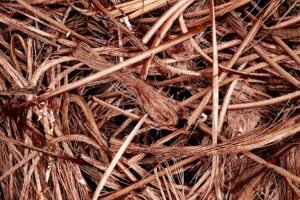
While ferrous dominates by weight, stainless and copper deliver higher dollar margins. Clean 304 stainless solids currently trade at 4× the steel price per tonne. If you regularly generate mixed non-ferrous, read our update on Stainless Steel Scrap Price and copper scrap Bankstown for specialist sorting techniques. Likewise, northern Sydney operators can compare logistics by reviewing scrap steel Hornsby data.
8. Frequently Asked Questions
8.1 What is the difference between 1 Prepared and 2 Prepared scrap steel?
1 Prepared has stricter size and density limits, must be cut to 600 mm × 400 mm and be free of contaminants, earning a $30–$45 per tonne premium over 2 Prepared.
8.2 How is scrap steel weighed and paid?
Certified weighbridges record gross and tare weights to 20 kg accuracy. Payment is usually EFT within 24 hours of unload, conditional on chem test clearance.
8.3 Does paint or plastic on steel matter?
Light paint is acceptable, but plastic, wood or copper attachments downgrade the load. Mills deduct $5 per 0.1% copper over specification limit.
8.4 Can individuals sell scrap steel or is it trade only?
Public cash sales are legal under NSW regulations with photo ID and transactions under $1,000 settled in cash; larger sums require bank transfer for AML compliance.
9. Conclusion: Turning Scrap into Value
Scrap steel Bankstown is more than a commodity—it is an urban mine that delivers measurable carbon, energy and resource savings. By understanding grades, timing the market and keeping contamination near zero, contractors can add 8–12% to their bottom line while helping Australia meet its 2030 emission targets. Bookmark this guide, share it with your team, and keep the circular economy spinning.
Frequently Asked Questions
What is the difference between 1 Prepared and 2 Prepared scrap steel?
1 Prepared has stricter size and density limits, must be cut to 600 mm × 400 mm and be free of contaminants, earning a $30–$45 per tonne premium over 2 Prepared.
How is scrap steel weighed and paid?
Certified weighbridges record gross and tare weights to 20 kg accuracy. Payment is usually EFT within 24 hours of unload, conditional on chem test clearance.
Does paint or plastic on steel matter?
Light paint is acceptable, but plastic, wood or copper attachments downgrade the load. Mills deduct $5 per 0.1% copper over specification limit.
Can individuals sell scrap steel or is it trade only?
Public cash sales are legal under NSW regulations with photo ID and transactions under $1,000 settled in cash; larger sums require bank transfer for AML compliance.