
Looking for scrap steel for sale in Australia? This comprehensive guide covers everything you need to know about ferrous metal grades, recycling processes, environmental benefits and current market pricing. Whether you’re a demolition contractor, manufacturer or scrap dealer, understanding the nuances of scrap steel trading can significantly impact your profitability.
Understanding Scrap Steel Grades and Classifications
The Australian scrap metal industry follows internationally recognised standards for grading ferrous metals. When browsing scrap steel for sale, you’ll encounter specific classifications that determine both usability and pricing. These grades reflect the metal’s composition, contamination levels and physical characteristics.
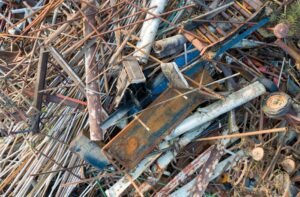
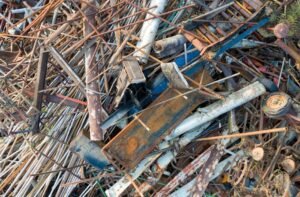
1 Prepared Steel Scrap represents the premium grade, consisting of clean mild steel sections exceeding 6mm thickness. This grade must be cut to specified dimensions, typically under 1.5 metres in length, with minimal contamination from other materials. Processing facilities value this grade highly due to its predictable melting characteristics.
2 Prepared Steel Scrap contains thinner gauge materials, including sheet metal offcuts and lighter structural components. While still valuable, this grade commands lower prices due to increased processing requirements and potential contamination issues. The Steel Scrap Grading 1 Prepared 2 Prepared Shredded guide provides detailed specifications for each classification.
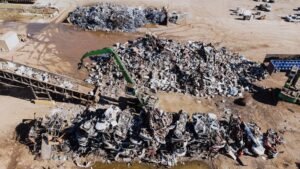
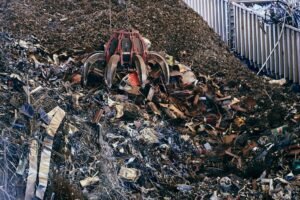
Shredded Steel Scrap results from automotive recycling and appliance processing. This grade offers excellent density for transportation and melting, though it requires careful sorting to remove non-ferrous contaminants. Many Australian processors prefer shredded scrap for its consistency and reduced preparation costs.
Construction and demolition activities generate significant quantities of mild steel scrap. This versatile ferrous metal appears in reinforcing bars (rebar), structural beams, roofing materials and miscellaneous building components. The steel price per tonne fluctuates based on global demand, domestic supply and processing costs.
The Recycling Process: From Scrap to New Steel
Modern steel recycling represents one of the world’s most efficient circular economy practices. When you purchase scrap steel for sale, you’re participating in a process that saves approximately 74% of the energy required for virgin steel production.
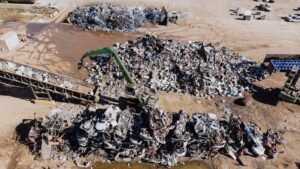
The journey begins at collection points across Australia, where scrap dealers aggregate materials from various sources. Advanced sorting facilities employ magnetic separation, eddy current systems and manual inspection to classify materials accurately. This initial processing determines the appropriate grade and potential end-use applications.
Shredding operations reduce large items into manageable pieces while liberating attached materials. Modern shredders can process an entire car in under 45 seconds, separating ferrous metals from plastics, rubber and non-ferrous components. The resulting shredded scrap offers consistent density and chemistry for steel mills.
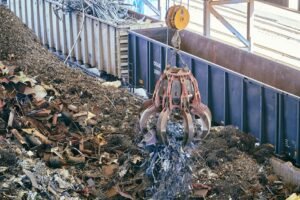
Shearing and baling equipment processes oversized materials that cannot be shredded. Hydraulic shears can cut through thick steel beams, while balers compress lighter materials into dense packages for efficient transportation. These processes add value to lower-grade materials that might otherwise be unusable.
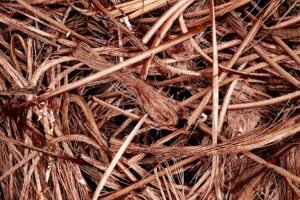
Quality control measures include chemical analysis, radiation detection and visual inspection. Processors must ensure that scrap meets strict specifications for residual elements that could affect final product quality. Copper contamination, for instance, can significantly impact the properties of recycled steel.
Environmental Benefits of Steel Recycling
Choosing recycled scrap steel for sale delivers measurable environmental advantages over virgin production. The steel industry’s recycling efforts prevent millions of tonnes of waste from entering landfills while conserving natural resources and reducing greenhouse gas emissions.
Energy savings represent the most significant benefit. Producing steel from recycled materials requires approximately 1,400 kilowatt-hours per tonne compared to 4,000 kilowatt-hours for virgin production. This reduction translates to lower carbon emissions and decreased reliance on fossil fuels.
Resource conservation extends beyond energy savings. Each tonne of recycled steel saves 1.5 tonnes of iron ore, 0.5 tonnes of coal and 0.3 tonnes of limestone. These savings protect natural habitats and reduce the environmental impact of mining operations across Australia and globally.
Water usage decreases dramatically with recycling. Virgin steel production consumes approximately 75 cubic metres of water per tonne, while recycled steel production requires only 15 cubic metres. This conservation proves particularly crucial in Australia’s water-scarce environment.
Landfill diversion prevents soil contamination and reduces methane emissions from decomposing organic materials attached to scrap metal. The steel recycling industry diverts over 5 million tonnes of waste annually in Australia alone, equivalent to removing 1 million cars from roads in terms of emission reductions.
\n
Market Dynamics and Pricing Factors
Understanding scrap steel for sale pricing requires knowledge of multiple interconnected factors. The scrap price steel index reflects global commodity trends, domestic supply-demand balances and currency fluctuations that affect export competitiveness.
International demand heavily influences Australian scrap prices. Major importers like Turkey, India and Vietnam compete for Australian scrap, creating price volatility based on their domestic steel production needs. When these markets experience strong demand, prices rise accordingly.
Domestic steel mill capacity utilisation affects regional pricing. When Australian mills operate at high capacity, they consume more scrap, supporting higher prices. Conversely, mill maintenance shutdowns or production curtailments can depress local scrap values.
Currency exchange rates impact export competitiveness. A weaker Australian dollar makes domestic scrap more attractive to overseas buyers, supporting higher local prices. Conversely, a strong AUD can reduce export demand and pressure domestic pricing.
Seasonal factors influence supply patterns. Construction activity peaks during spring and summer, generating higher scrap volumes. Winter months often see reduced demolition activity, tightening supply and potentially supporting prices.
Practical Tips for Buying and Selling Scrap Steel
Successful trading of scrap steel for sale requires strategic planning and market knowledge. Whether you’re clearing a warehouse or sourcing materials for manufacturing, these practical tips can improve your outcomes.
For Sellers:
- Sort materials by grade before offering scrap steel for sale. Mixed loads typically receive the lowest grade pricing, reducing potential returns.
- Remove excessive attachments like concrete, wood and plastics. Clean scrap commands premium pricing and broader buyer interest.
- Monitor market trends using resources like Scrap.Trade for current pricing intelligence.
- Consider timing your sales to coincide with stronger market conditions. Building inventory during weak periods can improve returns.
For Buyers:
- Verify supplier credentials and processing capabilities. Reputable dealers provide consistent quality and reliable delivery schedules.
- Negotiate long-term contracts during favourable market conditions to secure competitive pricing and supply certainty.
- Inspect materials personally or require detailed photographs before committing to purchases of scrap steel for sale.
- Factor in transportation costs when comparing offers. A lower price might not compensate for higher freight expenses.
Regional variations create opportunities for informed traders. The scrap steel katoomba market, for instance, might offer different pricing dynamics compared to metropolitan areas due to local supply-demand balances.
Quality Assessment and Inspection Methods
Accurate assessment of scrap steel for sale prevents costly mistakes and ensures fair transactions. Visual inspection provides initial clues about material quality, but professional evaluation requires systematic approaches.
Magnetic testing quickly separates ferrous metals from non-ferrous contamination. Strong magnetic attraction indicates high iron content, though this doesn’t guarantee steel grade. Some stainless steels are weakly magnetic, requiring additional testing.
Spark testing offers insights into carbon content. Grinding the metal produces characteristic sparks – mild steel creates many small white sparks, while high-carbon steels produce fewer, larger sparks with burst patterns. Experienced operators can estimate composition from spark characteristics.
Chemical analysis provides definitive grade verification. Portable spectrometers can determine exact composition within minutes, identifying residual elements that affect steel quality. Copper content exceeding 0.3% significantly impacts the value and usability of scrap steel for sale.
Dimensional inspection ensures compliance with grade specifications. 1 prepared steel must meet specific size requirements, while shredded materials should show consistent density and minimal contamination. Measuring representative samples helps verify compliance.
Logistics and Transportation Considerations
Efficient movement of scrap steel for sale affects both costs and environmental footprint. Understanding transportation options helps optimise supply chains and reduce expenses.
Rail transport offers cost-effective solutions for long-distance movements of bulk scrap. Dedicated gondola cars can carry 70-90 tonnes per unit, though loading and unloading require specialised facilities. Rail suits high-volume, regular movements between established facilities.
Road transport provides flexibility for smaller quantities and remote locations. Standard semi-trailers carry 20-25 tonnes of processed scrap, while B-doubles can transport 35-40 tonnes. Route planning must consider weight restrictions and bridge load limits.
Sea freight enables export opportunities for Australian scrap dealers. Bulk carriers load scrap at major ports, though scheduling requires coordination with vessel availability and export documentation requirements. Containerised scrap offers smaller-volume options for specialised markets.
Processing density significantly affects transportation economics. Loose scrap occupies more volume per tonne, increasing freight costs. Baling or shearing increases density, reducing per-tonne transportation expenses. Shredded scrap naturally achieves high density, making it economical to transport.
Regulatory Compliance and Safety Requirements
Trading scrap steel for sale involves navigating complex regulations designed to protect workers, communities and the environment. Compliance requirements vary by state and territory, though core principles remain consistent across Australia.
Workplace safety regulations mandate specific procedures for handling scrap metals. These include requirements for personal protective equipment, machinery guarding and material handling protocols. Facilities processing scrap steel must develop and implement safety management systems.
Environmental regulations control potential contamination from scrap processing activities. Stormwater management prevents metal particles and oils from entering waterways. Dust suppression systems reduce airborne emissions during shredding and handling operations.
Radiation monitoring protects against contaminated materials entering scrap streams. Processors must install detection systems and develop response procedures for radioactive materials. Historical events involving contaminated scrap have heightened regulatory scrutiny.
Transport regulations govern scrap movement, particularly for hazardous materials. Some scrap may contain asbestos, PCBs or other contaminants requiring special handling and disposal procedures. Proper classification and documentation ensures legal compliance.
Future Trends in Steel Recycling
The scrap steel for sale market continues evolving as technology advances and sustainability requirements intensify. Understanding emerging trends helps industry participants prepare for coming changes.
Advanced sorting technologies using artificial intelligence and robotics improve material separation accuracy. These systems can identify and remove contaminants more effectively than manual sorting, increasing the value of processed scrap and reducing processing costs.
Green steel production using hydrogen instead of coal requires higher-quality scrap inputs. This shift could increase demand for clean, well-sorted scrap while potentially reducing demand for lower-grade materials. Processors investing in quality improvement may benefit from premium pricing.
Circular economy policies encourage increased recycling rates and local processing. Governments worldwide implement measures to retain scrap within domestic markets, potentially affecting export opportunities. Australian processors may need to develop new domestic supply chains.
Carbon pricing mechanisms recognise steel recycling’s environmental benefits. Some jurisdictions provide credits or incentives for using recycled materials, potentially supporting scrap pricing. These policies could create new market opportunities for scrap dealers.
The Warehouse Clearance Scrap Sale Strategy resource provides insights into maximising returns from industrial clearing activities, which generate significant volumes of scrap steel for sale.
Comparing pricing across platforms helps optimise trading decisions. While ScrapTrade.com.au provides regional pricing data, understanding broader market dynamics helps identify the best opportunities for buying or selling scrap steel.
Conclusion
The Australian scrap steel market offers significant opportunities for informed participants. Understanding grades, from 1 prepared heavy melting steel to shredded automotive scrap, enables better trading decisions and improved profitability. Environmental benefits create compelling reasons to choose recycled materials over virgin production.
Market dynamics reflect global commodity trends, domestic supply-demand balances and regulatory changes affecting the industry. Successful trading requires monitoring multiple factors, from international demand patterns to currency fluctuations that affect export competitiveness.
Quality assessment and proper classification ensure fair transactions and appropriate pricing. Whether dealing with construction scrap, sheet metal offcuts or processed shredded materials, accurate grading determines both usability and value. Investment in proper sorting and processing equipment pays dividends through improved pricing.
As sustainability requirements intensify and green steel production expands, the scrap recycling industry will play an increasingly crucial role in meeting environmental targets while providing essential raw materials. The future favours processors and traders who invest in quality, efficiency and environmental compliance.
For current pricing information on related materials, check the Stainless Steel Scrap Price page, which provides market insights that often correlate with carbon steel trends.
Frequently Asked Questions
What are the main grades of scrap steel available in Australia?
Australian scrap steel for sale typically includes 1 prepared (clean heavy steel over 6mm thick), 2 prepared (lighter gauge materials), and shredded scrap from automotive recycling. Each grade has specific size, density and contamination requirements that affect pricing and usability.
How is scrap steel priced per tonne in Australia?
Scrap steel prices per tonne range from $200-400 depending on grade, with 1 prepared commanding premium rates. Prices fluctuate based on global demand, domestic mill capacity, currency exchange rates and seasonal supply patterns.
What environmental benefits does steel recycling provide?
Recycling scrap steel saves 74% of the energy required for virgin production, conserves 1.5 tonnes of iron ore per tonne recycled, reduces water usage by 80%, and diverts millions of tonnes from landfills while cutting greenhouse gas emissions significantly.
How can I maximise returns when selling scrap steel?
Sort materials by grade before sale, remove excessive attachments and contaminants, monitor market trends for optimal timing, consider transportation costs, and build relationships with reputable processors who offer consistent pricing and reliable service.