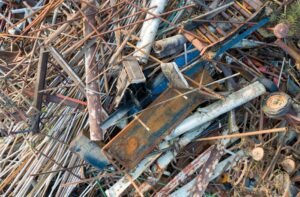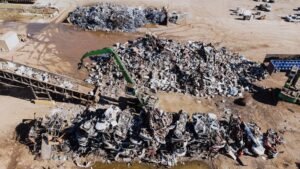

Navigating the market for scrap steel Kingswood requires an understanding of both the local industrial landscape and the global commodities market. Whether you are a construction contractor, a demolition expert, or a local business owner looking to clear out heavy-duty waste, knowing how to categorize your materials is the first step toward profitability. When you decide to sell steel scrap, you are participating in a sophisticated circular economy that turns industrial liabilities into valuable manufacturing assets.
Understanding Ferrous Metals and Steel Grades
At the core of the recycling industry is the distinction between ferrous and non-ferrous metals. Ferrous metals, which include iron and steel, are defined by their iron content and magnetic properties. In the Kingswood region, the most common materials encountered are mild steel, carbon steel, and various alloys. Understanding the specific grade of your material is essential because the steel price per tonne fluctuates based on the chemical composition, density, and level of contamination present in the load.
Steel is not a monolithic material. It is engineered for specific applications, ranging from structural beams used in high-rise construction to thin sheet metal used in automotive manufacturing. To get the best value, you must understand the industry standards. For a detailed breakdown of how these materials are classified, refer to our guide on Steel Scrap Grading 1 Prepared 2 Prepared Shredded. This classification system ensures that mills receive the exact chemistry they require, which in turn dictates the market price.
The Scrap Steel Kingswood Recycling Process
The journey from a pile of rusted metal in a Kingswood yard to a new steel beam is a marvel of industrial efficiency. The process begins with collection and transportation to a licensed facility. Once on-site, the scrap undergoes rigorous inspection. Contaminants such as rubber, plastic, or concrete must be removed, as these impurities can ruin a furnace batch. This is a critical component of What Scrap Trade Actually Is—a balance of logistics, chemistry, and market timing.
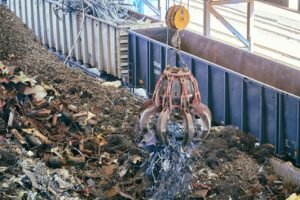
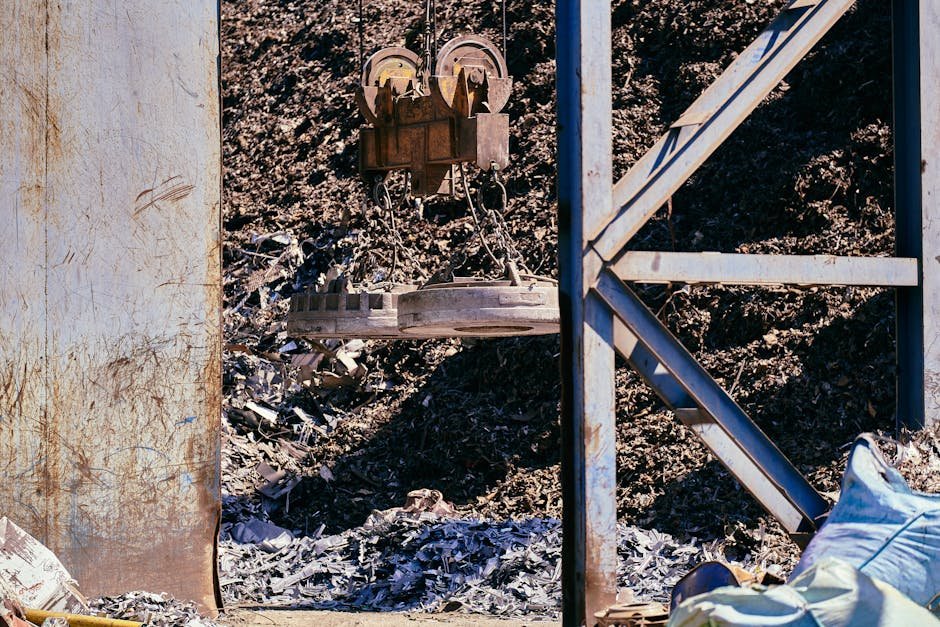
After sorting, the metal is processed. This may involve hydraulic shearing, torch cutting, or high-speed shredding. Shredding is particularly effective for mixed loads, as it allows magnetic separators to pull the ferrous metal away from non-ferrous materials and debris. Once processed, the steel is baled or compacted into dense cubes, making it cost-effective to transport to steel mills. These mills then melt the scrap in electric arc furnaces, a process that is significantly more energy-efficient than producing virgin steel from iron ore.
Why Market Timing Matters for Scrap Steel
If you are managing large volumes of metal, tracking scrap steel prices is non-negotiable. Commodity markets are influenced by global demand from major manufacturing hubs, the cost of energy, and the availability of iron ore. When global steel demand is high, mills scramble for feedstock, driving up the price for high-quality scrap. Conversely, when construction slows down, prices may soften.
For those interested in other sectors of the market, it is helpful to monitor the Stainless Steel Scrap Price, as it often operates on a different cycle than carbon steel due to the inclusion of nickel and chromium. By staying informed through a professional scrap trading platform, you can time your sales to coincide with market peaks. We recommend that businesses in the Kingswood area maintain a consistent relationship with a reputable buyer to ensure they receive fair market value regardless of short-term volatility.
Environmental Benefits of Steel Recycling
Recycling is not just about the bottom line; it is a fundamental pillar of environmental sustainability in Australia. Producing steel from scrap consumes approximately 75% less energy than producing it from raw iron ore. This massive energy saving translates directly into a reduction in greenhouse gas emissions. Furthermore, recycling steel preserves our finite natural resources by reducing the need for destructive open-pit mining.
Every tonne of steel recycled saves over a tonne of iron ore, 600kg of coal, and 50kg of limestone. By choosing to recycle your industrial waste, you are actively contributing to a lower carbon footprint for the Australian construction and manufacturing sectors. For more information on how to manage your industrial waste stream, visit our dedicated Australian portal for professional recycling solutions.
Best Practices for Preparing Your Scrap
To maximize the steel price per tonne, preparation is key. Mills and scrap yards are businesses; they pay more for material that is “ready to melt.” If you bring in a mixed load of dirty, un-sorted metal, you will receive a lower price because the yard has to account for the labor cost of cleaning and sorting it.
Here are three practical tips for your next trip:
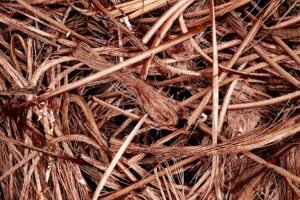
- Segregation: Separate your mild steel from your stainless steel and non-ferrous metals. Even a small amount of copper contamination in a load of steel can downgrade the entire batch.
- Size Matters: If you have large structural beams, cutting them to standard mill sizes (often 1.5m or less) can drastically increase the value.
- Cleanliness: Remove non-metallic attachments like wood, glass, or heavy plastic. The cleaner your load, the higher the grade, and the higher the payout.
The Future of the Scrap Industry
As Australia moves toward a net-zero future, the scrap metal industry is becoming increasingly vital. Technology is evolving, with advanced AI-driven sorting systems now capable of identifying specific steel alloys with incredible speed and accuracy. This technological leap means that even complex scrap that was previously considered waste can now be recovered and reused. For businesses in Kingswood, this means that the value of their scrap is likely to increase as the demand for high-quality recycled feedstock grows.
We are seeing a shift toward ‘circular supply chains,’ where manufacturers work directly with recyclers to ensure that the scrap generated during the manufacturing process is returned immediately to the furnace. This closed-loop system is the gold standard for efficiency and sustainability. Whether you are a small workshop or a large industrial plant, aligning your waste management strategy with these modern standards will provide long-term financial and environmental benefits.
Common Misconceptions About Scrap Trading
There is a lingering belief that scrap trading is an informal, ‘cash-under-the-table’ industry. This could not be further from the truth. Modern scrap trading is a highly regulated, data-driven industry. Professional scrap yards operate under strict environmental and safety regulations to ensure that hazardous materials are handled correctly and that the recycling process does not contaminate the local environment.
Another misconception is that all steel is created equal. Many people assume that a heavy piece of rusty iron is worth more than a clean, thin piece of sheet metal. In reality, the ‘cleanliness’ and the specific grade of the steel are what dictate the value. Understanding these nuances is what separates a casual seller from a savvy trader who consistently maximizes their returns.
Safety and Compliance in Kingswood
Safety is the most important aspect of handling scrap steel. Heavy metals, sharp edges, and the risk of unstable piles are constant hazards. When collecting or transporting scrap in Kingswood, always ensure you have the appropriate personal protective equipment (PPE), including gloves, steel-toed boots, and high-visibility clothing. Furthermore, ensure that your transport vehicle is rated for the weight of the load to avoid accidents on the road.
Compliance with local council regulations regarding waste management and transport is also vital. Always ensure you are dealing with a licensed facility that provides proper documentation. This not only protects you legally but also ensures that your scrap is being processed in an environmentally responsible manner. By following these guidelines, you can contribute to a safer, cleaner, and more profitable community in Kingswood.
Related: scrap steel prices
Frequently Asked Questions
What is the difference between ferrous and non-ferrous scrap?
Ferrous metals contain iron and are magnetic, such as steel and iron. Non-ferrous metals do not contain iron and are typically more valuable, including copper, aluminum, and brass.
How can I get the best price for my scrap steel?
To get the best price, ensure your scrap is clean, sorted by grade, and free of non-metallic contaminants like plastic or wood. Cutting large items into manageable sizes also increases their value.
Why do scrap steel prices change so often?
Scrap prices are driven by global supply and demand, the cost of iron ore, and energy prices. When industrial demand for new steel is high, scrap prices typically rise.
Is it better to sell scrap to a local yard or a large processor?
Large processors often have the technology to pay higher prices for high-volume, clean loads. Local yards are more convenient for smaller quantities, but it is best to compare quotes based on your specific volume.