
When searching for professional scrap steel Llandilo services, it is essential to understand that the local industry is a vital cog in the broader Australian circular economy. Whether you are a construction firm clearing a site or a local resident looking to dispose of old appliances, navigating the scrap market requires knowledge of material grades and current market conditions.
As part of the broader network of facilities, our operations in Western Sydney provide a reliable hub for those seeking a scrap metal llandilo solution. By diverting steel from landfills, we ensure that valuable resources are reintegrated into the manufacturing supply chain, supporting Australian industry and environmental sustainability.
Understanding Ferrous Metals and Steel Grades
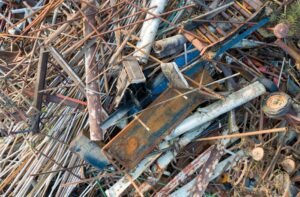
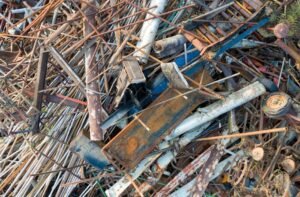
To maximize the value of your scrap, you must first understand the classification of metals. Steel is a ferrous metal, meaning it contains iron and is magnetic. In the world of recycling, not all steel is treated equally. The value of your material is determined by its purity, density, and size. When you bring your materials to a facility, the team will assess whether you have mild steel, structural beams, or light sheet metal. Understanding these distinctions is the first step in getting the best return on your investment.
For those interested in technical specifications, it is helpful to review our guide on Steel Scrap Grading 1 Prepared 2 Prepared Shredded. This resource explains why size and contamination levels are critical factors in the pricing process. Generally, heavy melting steel (HMS) commands a higher price than light, contaminated scrap because it requires less energy to process at the mill. If you are handling large volumes, knowing these grades can significantly influence your bottom line.
The Economics of Recycling: How Pricing Works
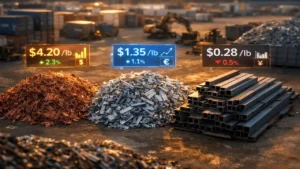
The steel price per tonne is a fluctuating commodity, dictated by global supply and demand, the cost of iron ore, and the energy required for production. Because Llandilo is strategically located near major transport corridors, it serves as an efficient collection point for the greater Sydney region. Much like the activity seen at our scrap steel ingleburn facility, the pricing model relies on volume and the ability to process raw materials into furnace-ready feedstock.
If you are curious about how the industry functions at a macro level, you might find it useful to read What Scrap Trade Actually Is. This article breaks down the logistics of moving metal from a residential backyard to a massive electric arc furnace. Furthermore, if you are trading in higher-value alloys, always check the current Stainless Steel Scrap Price, as these metals contain nickel and chromium, which carry different market dynamics compared to standard carbon steel.
The Environmental Imperative of Steel Recycling
Recycling steel is one of the most effective ways to reduce industrial carbon footprints. Producing steel from raw iron ore is an energy-intensive process that involves mining, crushing, and smelting. In contrast, recycling scrap steel requires significantly less energy—up to 75% less in many instances. By choosing to use professional scrap metal services, you are directly contributing to the reduction of greenhouse gas emissions.
Furthermore, recycling prevents the accumulation of heavy metals in landfills. Steel is infinitely recyclable, meaning it can be melted down and reformed into new products without any loss in quality. Whether it is rebar for new infrastructure or components for the automotive industry, the steel you recycle today could be part of a skyscraper tomorrow. For more information on how we manage these materials, visit our main corporate portal.
Practical Tips for Scrap Metal Preparation
Preparation is key to efficiency. If you are looking to optimize your returns when visiting a yard for scrap steel Llandilo, follow these expert tips:
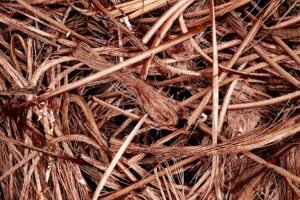
- Sort your metals: Separate ferrous metals (magnetic) from non-ferrous metals (non-magnetic, like copper or aluminium). Mixing them lowers the overall value of the load.
- Remove non-metal contaminants: Plastic, wood, and concrete attached to steel are considered “dirt” or “contamination.” Removing these before weighing your load will ensure you are paid for the actual weight of the metal.
- Size matters: If you have large structural components, cutting them down to specified sizes (as per grading guides) can move your material from a lower-value grade to a higher-value grade.
- Clean your scrap: While some surface rust is acceptable, heavy mud or oil contamination can lead to deductions at the scale.
By following these steps, you not only make the process faster for the yard staff but also ensure that you receive the most accurate valuation for your materials.
The Logistics of Scrap Collection and Processing
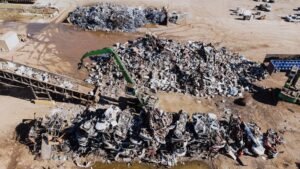
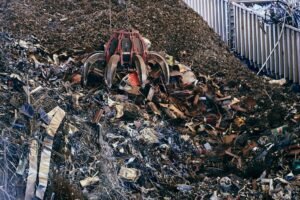
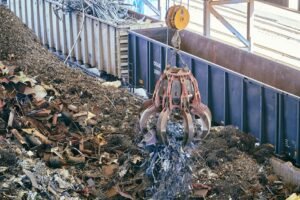
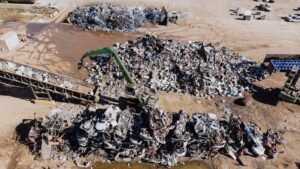
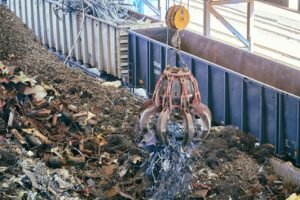
The transformation of scrap into a resource is a highly technical process. Once the steel arrives at the facility, it undergoes a series of steps: inspection, weighing, sorting, and processing. Large pieces are often fed into industrial shears or shredders, which break the material into uniform sizes. This uniformity is essential for the steel mills that eventually melt the scrap down. The efficiency of this logistics chain is what keeps the recycling industry viable in Western Sydney.
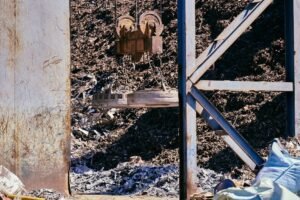
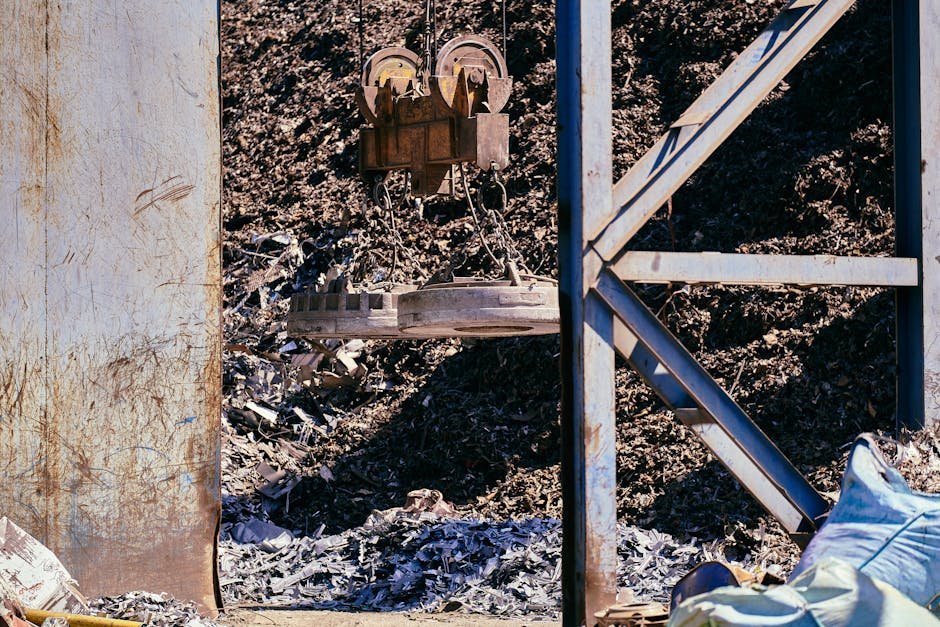
We emphasize safety and compliance throughout this process. Handling heavy metal requires specialized equipment, including cranes with electromagnets, heavy-duty excavators, and certified weighbridges. By centralizing these operations, we minimize the transport distance for our clients, reducing the overall carbon cost of the recycling loop.
Future Trends: The Circular Economy and Steel
The global shift toward a circular economy is changing how we view waste. Steel is the backbone of this movement. As manufacturers face increasing pressure to use recycled content, the demand for high-quality scrap is rising. This shift is turning scrap yards into “urban mines.” By extracting steel from end-of-life products, we reduce the need for destructive mining practices. The future of scrap steel Llandilo lies in better sorting technology and a more sophisticated understanding of alloy composition.
As we look forward, the industry is investing in AI-driven sorting systems that can identify specific metal grades with near-perfect accuracy. This means that even complex scrap, which was previously difficult to process, can now be recovered. For the consumer, this means that almost every piece of steel, no matter how small or complex, has a potential second life.
Safety and Legal Considerations in Scrap Trading
When dealing with scrap metal, safety is paramount. Always ensure that you are working with a licensed facility that adheres to environmental and safety regulations. Never attempt to cut or dismantle heavy machinery without proper training and equipment. Additionally, be aware that many facilities have strict policies regarding the types of items they accept—for example, sealed containers, gas cylinders, or radioactive materials are strictly prohibited.
Working with a reputable partner ensures that your scrap is handled in a way that is both legal and environmentally responsible. It also provides peace of mind that you are dealing with fair, transparent pricing based on current market data. Always ask for a printed weighbridge ticket to confirm the weight and grade of the material you have delivered.
Conclusion: Your Role in the Recycling Loop
Recycling is a collective effort. Every individual or business that chooses to recycle their steel contributes to a healthier environment and a more robust local economy. Whether you are a small-scale recycler or a large industrial partner, your contribution helps keep Australia’s manufacturing sector sustainable. We encourage you to reach out to our team to discuss your scrap needs and learn more about how we can assist you in managing your metal waste effectively. By working together, we can ensure that valuable steel resources are never wasted.
Frequently Asked Questions
What items are typically accepted as scrap steel?
Most ferrous items are accepted, including structural beams, pipes, old appliances (white goods), car parts, and sheet metal. Ensure these items are free from non-metal contaminants like concrete or excessive plastic.
How is the price of scrap steel determined?
Steel prices are based on global market conditions, the grade of the steel, the volume delivered, and current demand from steel mills. Prices fluctuate regularly, so it is best to check current rates before your visit.
Do I need to prepare my scrap before bringing it to the yard?
Yes, sorting your metals and removing non-metallic attachments like wood or plastic will result in a faster process and potentially higher returns. Large items may need to be cut to size to meet specific grading requirements.
Why is it better to recycle steel than to discard it?
Recycling steel saves significant amounts of energy compared to producing new steel from iron ore and reduces the volume of waste sent to landfills. It also supports the circular economy by providing raw materials for new manufacturing.