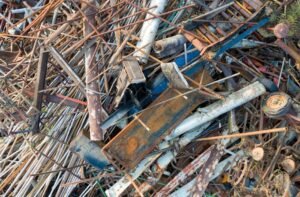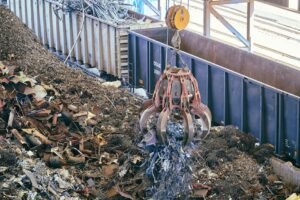

The term scrap steel malaga encompasses all forms of discarded ferrous metal collected and processed in the Malaga industrial precinct of Perth, Western Australia. As one of the key hubs for metal recycling in the region, Malaga supports a robust infrastructure for collecting, sorting, and preparing scrap steel for reintegration into the manufacturing supply chain. This guide provides a comprehensive overview of the types, grading standards, processing techniques, environmental advantages, and economic dynamics associated with scrap steel malaga, including current trends in the steel price per tonne and how recyclers can maximize returns through proper classification and sourcing.
What Is Scrap Steel Malaga and Why It Matters
Scrap steel malaga is more than just discarded metal—it’s a vital component of Australia’s circular economy. Located in the northern suburbs of Perth, Malaga is home to numerous recycling yards, metal traders, and logistics facilities that specialize in the recovery and redistribution of ferrous materials. The term specifically refers to scrap steel generated from construction, demolition, manufacturing, automotive, and industrial sources within and around the Malaga area.
This region serves as a strategic node in Western Australia’s scrap metal network due to its proximity to major transport routes, industrial zones, and export terminals. As demand for sustainable raw materials grows globally, the efficient handling of scrap steel malaga has become increasingly important. Recycled steel reduces reliance on virgin iron ore, lowers greenhouse gas emissions, and supports local industries by providing a cost-effective alternative to newly mined materials.
Ferrous metals—those containing iron, such as mild steel and carbon steel—are the most commonly recycled metals worldwide, and scrap steel malaga predominantly consists of these materials. Common sources include old machinery, structural beams, sheet metal offcuts, vehicle frames, and decommissioned appliances. These materials are processed locally before being shipped to domestic or international steel mills for remelting.
Understanding the value chain of scrap steel malaga begins with recognizing its role not just as waste, but as a commodity. The pricing, grading, and logistics involved are critical to ensuring profitability and environmental sustainability. For businesses and individuals looking to dispose of or profit from metal waste, knowing how to properly classify and prepare scrap steel malaga can significantly impact returns.
Common Grades of Scrap Steel in Malaga
Not all scrap steel is created equal. The value of scrap steel malaga depends heavily on its grade, cleanliness, and preparation level. Australian recyclers and exporters follow standardized grading systems to ensure consistency and transparency in transactions. The most widely accepted classifications are defined by the Australian Recycled Steel Industry Council (ARSIC) and international benchmarks such as those from the Bureau of International Recycling (BIR).
Key grades of scrap steel found in Malaga include:
- Heavy Melting Steel (HMS) 1 – Consists of dense, thick sections of steel at least 6mm thick, free from rust, coatings, and contaminants. Typical sources include industrial machinery, shipbuilding remnants, and heavy equipment. This high-density grade commands premium prices due to its efficiency in electric arc furnaces (EAFs).
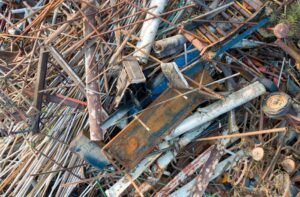
- HMS 2 – Similar to HMS 1 but allows for moderate rust, paint, and minor contamination. Includes structural steel, old beams, and pressings. It’s one of the most common grades traded in scrap steel malaga operations.
- Shredded Steel – Produced by feeding lightweight scrap through industrial shredders to separate non-ferrous metals. This grade includes crushed cars, appliances, and mixed sheet metal. While convenient for transport, it’s often lower in value due to potential contamination with plastics and rubber.
- Sheet Metal Scrap – Thin-gauge mild steel from roofing, ducting, and vehicle panels. Often grouped under light shred or baling press scrap, this material requires careful sorting to avoid contamination from galvanization or aluminum layers.
- Turnings and Borings – Generated from machining processes, these are fine steel chips that must be dried and compacted to prevent oxidation and improve handling. Due to their small size, they’re prone to moisture retention and require special processing.
- Cast and Plate Steel – High-quality, dense scrap from industrial castings and thick steel plates. Often used in specialty steel production due to its purity and structural integrity.
Proper grading ensures that buyers receive consistent material suitable for their production needs. Mislabeling or mixing grades can lead to rejection or price deductions. For a detailed breakdown of classification standards, refer to the Steel Scrap Grading 1 Prepared 2 Prepared Shredded guide, which outlines preparation levels, size requirements, and contamination limits.
How the Scrap Steel Recycling Process Works
The journey of scrap steel malaga from waste to resource involves a series of well-defined stages designed to maximize recovery, purity, and economic value. Understanding this process helps generators, traders, and recyclers make informed decisions about collection, sorting, and sale.
Step 1: Collection and Transportation
Scrap steel malaga is collected from various sources including construction sites, manufacturing plants, auto wreckers, and municipal drop-off centers. Dedicated transport vehicles—often flatbed trucks or hook lifts—deliver loads to recycling facilities in Malaga. Larger operations may use skip bins or roll-off containers for on-site accumulation.
Step 2: Initial Sorting and Inspection
Upon arrival, materials undergo visual and magnetic inspection to separate ferrous from non-ferrous metals. Magnets easily extract steel, while eddy current separators isolate aluminum, copper, and other non-ferrous materials. Manual sorting removes obvious contaminants like wood, plastic, and insulation.
Step 3: Size Reduction and Preparation
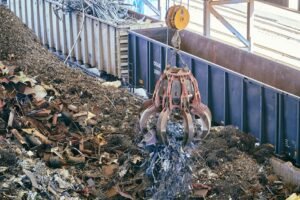
Large or bulky items are processed using shears, balers, or shredders. Hydraulic shears cut beams and tanks into manageable pieces, while balers compress sheet metal and light scrap into dense cubes for efficient transport. Shredding is used for mixed automotive or appliance scrap, breaking it down into fist-sized fragments.
Step 4: Secondary Sorting and Cleaning
After size reduction, the material passes through advanced separation systems. Air classifiers remove light debris, while magnetic drums ensure no residual ferrous content remains in non-ferrous streams. Some facilities use optical sorting or X-ray fluorescence (XRF) technology to detect alloy compositions.
Step 5: Quality Control and Grading
Trained graders assess the processed scrap against industry standards. Moisture content, rust levels, and the presence of prohibited materials (e.g., sealed containers, radioactive parts) are checked. Each batch is labeled with its grade, weight, and origin.
Step 6: Weighing, Pricing, and Sale
The final step involves weighing the scrap on certified scales and determining its value based on current market rates. Prices are typically quoted per tonne, influenced by global demand, energy costs, and the quality of the material. Recyclers may sell directly to domestic mills or export through ports like Fremantle.
For an in-depth look at how this system operates nationally, explore scrap steel recycling, which details the technological and logistical frameworks enabling Australia’s recycling success.
Environmental Benefits of Recycling Scrap Steel Malaga
Recycling scrap steel malaga delivers profound environmental advantages, making it a cornerstone of sustainable industrial policy in Australia. Steel is 100% recyclable without degradation, meaning it can be reused indefinitely—unlike many other materials that lose quality during recycling.
One of the most significant benefits is energy conservation. Producing new steel from raw iron ore requires intense heat and vast amounts of energy, primarily derived from coal. In contrast, recycling scrap steel in electric arc furnaces (EAFs) uses up to 75% less energy. According to the World Steel Association, recycling one tonne of steel saves 1.1 tonnes of iron ore, 630 kg of coal, and 55 kg of limestone.
Additionally, greenhouse gas emissions are drastically reduced. The Australian Steel Institute reports that EAF-based steelmaking emits approximately 0.3–0.5 tonnes of CO₂ per tonne of steel produced, compared to 1.8–2.2 tonnes when using blast furnaces. By expanding the use of scrap steel malaga, Australia can contribute meaningfully to its climate targets under the Paris Agreement.
Landfill diversion is another critical benefit. Ferrous metals constitute a major portion of industrial and construction waste. When improperly disposed of, they occupy valuable landfill space and can leach heavy metals into soil and groundwater. Recycling prevents this pollution and conserves land resources.
Moreover, water usage drops significantly in recycled steel production. Traditional steelmaking consumes large volumes of water for cooling and processing. Recycling operations, especially modern closed-loop systems, minimize water draw and contamination.
Beyond direct environmental impacts, recycling fosters a circular economy model. Instead of a linear “take-make-dispose” approach, scrap steel malaga becomes a feedstock for new products—from building frames to household appliances—reducing the need for virgin resource extraction and promoting long-term industrial sustainability.
Current Steel Price Per Tonne and Market Trends
The value of scrap steel malaga is closely tied to the steel price per tonne in both domestic and global markets. Prices fluctuate based on supply and demand dynamics, international trade policies, energy costs, and manufacturing output.
As of 2024, the average price for HMS 1 scrap in Western Australia ranges between AUD $480 and $560 per tonne, while HMS 2 trades slightly lower at $420–$490. Shredded steel averages $380–$440 per tonne, depending on cleanliness and volume. These figures are subject to weekly adjustments influenced by Asian steel markets, particularly China and South Korea, which are major importers of Australian scrap.
Several factors affect pricing:
- Global Steel Demand – Economic growth in Southeast Asia and India drives demand for raw materials, including recycled steel.
- Exchange Rates – A weaker Australian dollar makes exports more competitive, boosting local scrap prices.
- Domestic Manufacturing Activity – Increased construction and infrastructure projects raise local demand for steel, supporting higher scrap values.
- Trade Regulations – Export restrictions or tariffs in importing countries can disrupt market flows and depress prices.
- Energy Costs – Higher electricity prices impact EAF operations, potentially reducing scrap demand.
Generators of scrap steel malaga can optimize returns by segregating materials, minimizing contamination, and timing sales during market peaks. Many recyclers offer price alerts or subscription services to help clients track trends.
For real-time data and regional comparisons, visit Stainless Steel Scrap Price, which also covers carbon steel benchmarks and market analysis.
Practical Tips for Businesses Handling Scrap Steel Malaga
Whether you’re a contractor, manufacturer, or homeowner, managing scrap steel malaga efficiently can yield financial and environmental rewards. Follow these best practices to maximize value and compliance:
- Segregate by Grade – Keep heavy steel separate from sheet metal and turnings. Mixed loads are downgraded and pay less.
- Remove Contaminants – Strip wiring, plastic, rubber, and non-metallic parts before delivery. Even small amounts of contamination can reduce the entire batch’s value.
- Dry Materials Before Sale – Wet or oily scrap may be rejected or penalized due to safety risks in furnaces.
- Use Licensed Recyclers – Ensure your chosen facility is EPA-compliant and provides weighbridge tickets and recycling certificates for audit purposes.
- Negotiate Contracts – Large-volume generators can secure better rates through long-term agreements with recyclers.
- Track Market Trends – Monitor the steel price per tonne weekly and sell when prices peak.
- Explore On-Site Baling – Investing in a baling press can increase density, reduce transport costs, and improve handling efficiency.
Additionally, consider partnering with platforms like Scrap Trade, Australia’s leading digital marketplace for recyclers and suppliers, to compare offers and streamline transactions. For a full explanation of how this ecosystem works, read What Scrap Trade Actually Is.
Related Scrap Metals in Malaga: Beyond Steel
While scrap steel malaga dominates the ferrous stream, Malaga’s recycling sector also handles significant volumes of non-ferrous metals. Among the most valuable is copper, particularly from electrical wiring, motors, and plumbing.
scrap copper malaga is a high-demand commodity due to copper’s excellent conductivity and limited global reserves. Recyclers often pay premium rates—sometimes exceeding $10,000 per tonne—for clean, bare bright copper wire.
Other non-ferrous materials processed in Malaga include aluminum (from windows, radiators, and cans), brass (from fittings and valves), and zinc (from galvanized coatings). These are typically separated during the shredding phase and sold to specialized refiners.
Integrating non-ferrous recovery into scrap steel malaga operations enhances profitability and resource efficiency. Many modern recycling facilities use sensor-based sorting to automatically identify and extract these metals, maximizing yield.
Conclusion: The Future of Scrap Steel Malaga
Scrap steel malaga is not merely a byproduct of industrial activity—it is a strategic resource central to Australia’s environmental and economic future. With rising awareness of climate change, resource scarcity, and circular economy principles, the role of recycled steel continues to expand.
Advancements in sorting technology, stricter environmental regulations, and growing demand for low-carbon materials are driving innovation in the sector. Companies that invest in proper segregation, adopt digital trading platforms, and stay informed about market trends will be best positioned to benefit.
As global steel production shifts toward greener methods, the importance of high-quality scrap steel malaga will only increase. By understanding the grades, mastering the recycling process, and recognizing the environmental and financial value of ferrous metal recovery, stakeholders can contribute to a more sustainable and resilient industrial landscape.
For further insights into the broader scrap metal ecosystem, visit Scrap Trade Australia, a comprehensive hub for traders, recyclers, and manufacturers committed to responsible resource management.
Frequently Asked Questions
What types of steel are considered scrap steel malaga?
Scrap steel malaga includes mild steel, sheet metal, structural beams, automotive frames, and industrial machinery parts. These ferrous materials are primarily composed of carbon steel and are collected for recycling in the Malaga industrial area of Perth.
How is scrap steel graded in Australia?
Scrap steel is graded based on size, thickness, contamination, and preparation level. Common grades include HMS 1, HMS 2, shredded steel, and sheet metal scrap. Proper grading ensures fair pricing and efficient processing in electric arc furnaces.
What affects the steel price per tonne in Malaga?
The steel price per tonne is influenced by global demand, exchange rates, energy costs, domestic manufacturing activity, and trade policies. Prices fluctuate weekly and vary by grade and material quality.
Can I recycle contaminated scrap steel in Malaga?
Highly contaminated scrap steel may be rejected or downgraded. It’s best to remove non-metallic materials like plastic, rubber, and wood before recycling to ensure maximum value and compliance with industry standards.