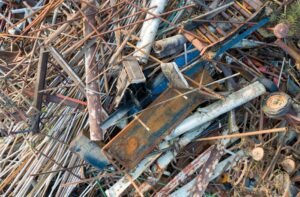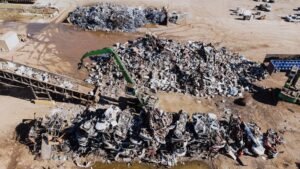

Scrap steel north shore is a vital component of Australia’s sustainable metal recovery industry, where local businesses, waste haulers, and recycling facilities collaborate to transform discarded ferrous materials into valuable resources. This comprehensive guide explains the grades, processes, market dynamics, and environmental advantages of recycling steel in the North Shore area, helping you navigate the industry with confidence.
Overview of Scrap Steel North Shore
The North Shore of Sydney has evolved into a bustling hub for metal reclamation, largely due to its proximity to major ports, industrial zones, and residential communities. The region’s infrastructure supports a full chain of services: from collection and sorting to shredding, baling, and finally resale to steel manufacturers. Understanding the local ecosystem is essential for anyone looking to sell or purchase scrap steel north shore.
Key stakeholders include local councils that enforce waste regulations, private waste contractors, and large-scale recycling plants that process ferrous metal into raw material for the steel industry. The synergy between these players ensures that scrap steel north shore remains a reliable source of high‑quality feedstock for the Australian steel market.
Types and Grades of Scrap Steel
Scrap steel is categorized into several grades based on its composition, form, and cleanliness. The most common grades found on the North Shore include:
- Grade 1 – Prepared: Clean, flat sheets and plates with minimal contamination.
- Grade 2 – Prepared, Shredded: Clean but in smaller pieces, often pre‑shredded for easier handling.
- Grade 3 – Unprepared: Rough, contaminated material that requires further processing.
Each grade offers different resale values, influenced by the steel price per tonne and the demand from local manufacturers. For a deeper dive into grading specifics, visit Steel Scrap Grading 1 Prepared 2 Prepared Shredded.
In addition to these, the North Shore market frequently deals with mild steel, a low‑carbon alloy prized for its versatility in construction and automotive parts. Mild steel’s high tensile strength and easy weldability make it a staple in the local recycling chain. Sheet metal, another common form, is often sourced from building facades, roofing, and HVAC systems. Both mild steel and sheet metal are considered ferrous metals, meaning they contain iron and are magnetic, which simplifies sorting and separation during recycling.
The Recycling Process in the North Shore Region
Recycling scrap steel north shore follows a well‑established workflow designed to maximize recovery and minimize environmental impact. The process typically unfolds in the following stages:
- Collection: Waste is gathered from residential, commercial, and industrial sites. Local contractors often use specialized trucks equipped with safety gear and sorting tools.
- Sorting & Grading: At the facility, ferrous metals are separated from non‑ferrous and non‑metallic waste. Advanced magnetic separators and manual inspection help identify the specific grades.
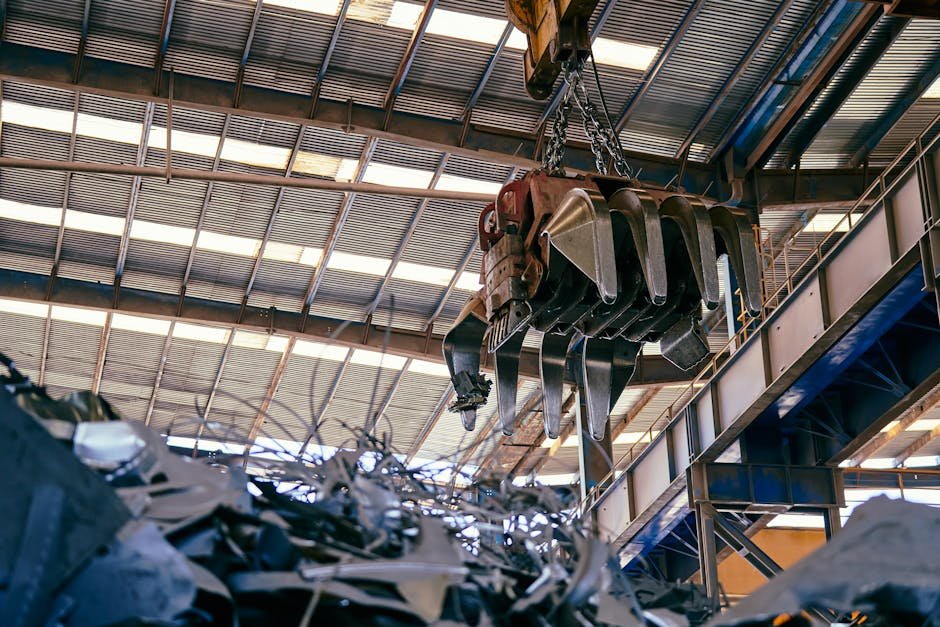
- Shredding: Clean steel is fed into shredders that break down large sheets into manageable chunks. This step increases the surface area for subsequent processing and reduces shipping costs.
- Baling: Shredded steel is compacted into dense bales using hydraulic presses. Baling not only saves space but also protects the metal from weather damage during transport.
- Transportation & Sale: Baled steel is transported to steel mills or secondary markets. Prices are negotiated based on weight, grade, and current steel price per tonne.
For businesses seeking to streamline their steel handling, services such as Steel Scrap Baling Processing Services Australia provide turnkey solutions, from shredding to baling, ensuring compliance with Australian environmental standards.
Environmental Benefits of Recycling Steel
Recycling scrap steel north shore offers significant environmental advantages that align with Australia’s sustainability goals. Key benefits include:
- Energy Savings: Producing steel from recycled ferrous metal requires up to 74% less energy than extracting iron ore and smelting it into new steel. This reduction translates to lower greenhouse gas emissions.
- Resource Conservation: Reusing steel reduces the need for virgin ore extraction, preserving natural habitats and reducing mining-related disturbances.
- Waste Diversion: Recycling divert a substantial portion of metal waste from landfills, mitigating the environmental impact of waste disposal.
- Water Efficiency: The steel recycling process consumes significantly less water compared to traditional steelmaking, aiding in water resource conservation.
These benefits are amplified in the North Shore, where local recycling facilities are strategically positioned to serve both industrial and residential sectors. By choosing to recycle, businesses and individuals contribute to a circular economy that reduces the carbon footprint of the entire region.
Market Dynamics: Prices and Demand
The value of scrap steel north shore is driven by several interrelated factors:
- Steel Price per Tonne: Global commodity prices fluctuate due to supply chain disruptions, tariffs, and geopolitical tensions. Local markets often mirror these trends, with small margins for regional differences.
- Grade Quality: Higher grades (Grade 1) command premium prices, while lower grades (Grade 3) sell at a discount. Clean, contaminant‑free steel fetches the best rates.
- Demand from Steel Manufacturers: The construction boom in Sydney’s North Shore region boosts demand for ferrous scrap. As new housing and commercial projects launch, steel mills increase their purchases.
- Regulatory Incentives: Government rebates and tax incentives for recycling operations can improve profitability for local recyclers.
To stay competitive, sellers should monitor market data, engage with reputable buyers, and maintain rigorous grading standards. For real‑time pricing updates, consider subscribing to industry newsletters or using platforms that aggregate steel price per tonne data.
Practical Tips for Businesses and Individuals
Whether you’re a small business owner, a contractor, or a homeowner with surplus metal, these practical tips can help you maximize returns and streamline the recycling process:
- Separate Early: Keep ferrous and non‑ferrous metals separate from the outset. This reduces the need for costly post‑collection sorting.
- Clean Your Stock: Remove paint, oils, and other contaminants. Clean steel sells at a higher grade and fetches better prices.
- Use Baling Services: Compacting steel into bales reduces transport costs and protects the material from weather damage. Services such as Steel Scrap Baling Processing Services Australia can handle the heavy lifting.
- Document Weight and Grade: Maintain accurate records of weight, grade, and source. This transparency builds trust with buyers and simplifies invoicing.
- Stay Informed on Regulations: Australian waste regulations evolve. Keep up to date with local council guidelines to avoid penalties.
- Leverage Online Platforms: Websites like scrap trade connect sellers with buyers, ensuring competitive pricing and fast transactions.
- Consider Partnerships: Collaborate with local construction firms or demolition contractors that generate large volumes of ferrous metal.
- Use Quality Equipment: Invest in magnetic separators and shredders that maintain the integrity of the metal, preserving its resale value.
Services and Resources in North Shore
The North Shore area boasts a network of specialized services to support the entire scrap steel chain. These include:
- north shore scrap metals – A comprehensive directory of local scrap metal dealers and recyclers.
- north shore scrap metal – A focused guide on sourcing and selling scrap steel in the region.
- Local waste management councils that provide guidelines on proper disposal and recycling practices.
- Recycling plants equipped with state‑of‑the‑art shredders and balers, ensuring efficient processing of ferrous metals.
- Consulting firms that offer market analysis, pricing forecasts, and compliance advice for businesses involved in steel recycling.
For those interested in the broader market, the Stainless Steel Scrap Price page offers insight into the value of non‑ferrous metals, while the Steel Scrap Grading 1 Prepared 2 Prepared Shredded resource provides detailed grading criteria used across Australia.
Conclusion
Scrap steel north shore represents a robust, environmentally friendly industry that supports local economies, conserves natural resources, and contributes to Australia’s circular economy. By understanding the grades, mastering the recycling workflow, staying attuned to market dynamics, and leveraging local services, businesses and individuals can unlock significant value from discarded ferrous metal. Whether you’re a seasoned recycler or a newcomer, the North Shore offers a supportive ecosystem to thrive in the sustainable steel market.
For more information on how to participate in Australia’s growing scrap steel market, visit scraptrade.com.au for industry news and market data, or explore our scrap trade platform to connect with reputable buyers and sellers.
Frequently Asked Questions
What types of scrap steel are commonly found in the North Shore?
The North Shore market typically handles mild steel, sheet metal, and various ferrous metals that are sorted into grades such as Grade 1 (prepared), Grade 2 (prepared shredded), and Grade 3 (unprepared). These grades determine resale value and processing requirements.
How does the recycling process reduce environmental impact?
Recycling scrap steel uses up to 74% less energy than producing new steel, saves natural resources, diverts waste from landfills, and reduces greenhouse gas emissions, supporting a more sustainable local economy.
What factors influence the price of scrap steel north shore?
Key factors include global steel price per tonne, local demand from construction projects, the cleanliness and grade of the metal, and any regulatory incentives or market supply constraints.
Where can I find reliable scrap steel buyers in the North Shore?
Local directories such as north shore scrap metals and north shore scrap metal list reputable dealers, while online platforms like scrap trade connect sellers with buyers across Australia.