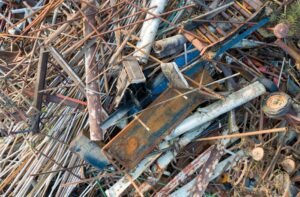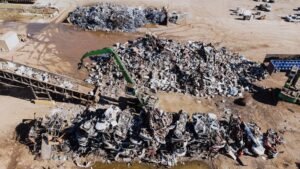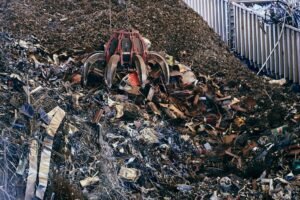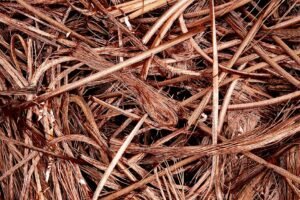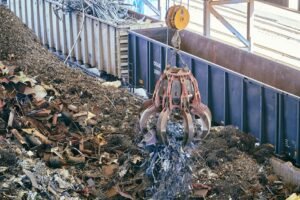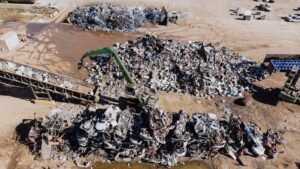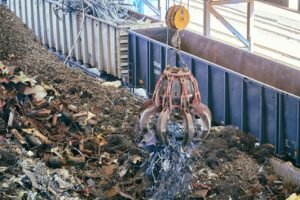

Understanding scrap steel price per kg is critical for both buyers and sellers in Australia’s recycling industry. Market rates fluctuate based on global trade dynamics, production cycles, and environmental policies. This guide provides expert insights into pricing mechanisms, grading systems, and strategies to optimize value in the scrap steel market.
1. How Scrap Steel Prices Are Determined
The scrap steel price per kg in Australia is primarily influenced by three factors: global crude steel production, domestic supply of scrap materials, and the quality of the scrap itself. Prices often correlate with the steel price per tonne on international markets, as recycled steel replaces virgin iron ore in production processes. For example, when global demand for steel increases (e.g., in construction or automotive sectors), market rate for scrap steel rises due to heightened competition among recyclers.
1.1 Global vs. Local Market Forces
- International demand: China’s steel production accounts for 50% of global output, making its policies and infrastructure projects major drivers of current scrap prices.
- Local supply: Post-consumer waste (e.g., demolition projects) and post-industrial scrap (e.g., manufacturing offcuts) affect regional metal prices today.
- Transportation costs: Prices in rural areas often exceed urban rates due to higher price per tonne logistics expenses.
2. Key Factors Affecting Scrap Steel Value
Beyond macroeconomic trends, several microeconomic variables impact scrap steel price per kg at the point of sale:
2.1 Scrap Quality and Purity
High-purity scrap like mild steel commands higher prices than mixed ferrous materials contaminated with non-ferrous metals. For instance, clean sheet metal from dismantled vehicles fetches 15-20% more than unsorted automotive shredder residue.
2.2 Market Volatility
Prices can swing by 15-30% within months due to geopolitical events. The 2023 Chinese stimulus package, for example, caused a 22% spike in steel scrap price across Australia within 60 days.
2.3 Seasonal Trends
Demolition activity peaks in Q1-Q2, increasing supply and temporarily lowering prices. Conversely, factory maintenance shutdowns in Q3-Q4 reduce industrial scrap availability, pushing rates upward.
3. Grades of Scrap Steel and Their Pricing
Scrap is categorized into grades based on processing requirements and end-use suitability:
3.1 Shredded Ferrous Scrap
Processed through industrial shredders to create uniform particles. Priced at $0.35-0.45/kg due to its suitability for electric arc furnaces.
3.2 Cut Structural Steel
Clean, heavy sections from construction projects. Commands $0.40-0.50/kg for its high recyclability into new beams.
3.3 Non-ferrous Mixed Scrap
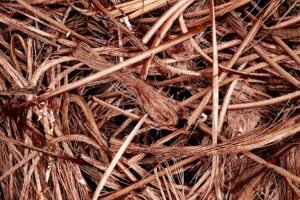
Lower value at $0.20-0.30/kg due to sorting challenges. Often includes mixed ferrous metal with copper or aluminum contaminants.
4. The Recycling Process: From Scrap to New Products
Recycling scrap steel reduces energy consumption by 60% compared to virgin production. Here’s how it works:
- Collection: Materials are gathered from demolition sites, manufacturing plants, and curbside recycling programs.
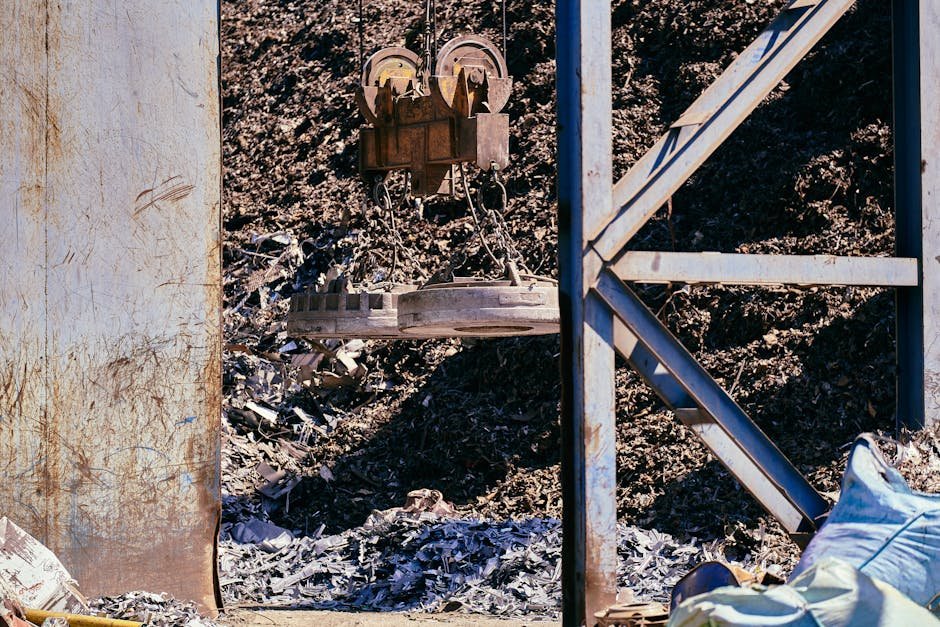
- Sorting: Mild steel is separated from non-ferrous metals using magnets and eddy current separators.
- Melting: Scrap is charged into blast furnaces or electric arc furnaces at 1,600-1,800°C.
- Refining: Impurities are removed via oxygen injection and alloy adjustments.
- Forming: Molten steel is cast into slabs, blooms, or billets for downstream manufacturing.
4.1 Environmental Impact
Recycling 1 tonne of ferrous metal saves 1.5 tonnes of iron ore, 740 kg of coal, and 40 barrels of oil. Australia’s recycling rate for steel packaging is 94%, the highest among OECD nations.
5. Practical Tips for Maximizing Scrap Steel Value
5.1 Sort Materials Thoroughly
Separate sheet metal from mixed scrap to qualify for premium grades. Use handheld metal detectors to remove non-ferrous contaminants.
5.2 Monitor Steel Price Per Tonne Trends
Track monthly reports from https://scrap.trade to time sales during price peaks. For example, exporting scrap steel price per kg to India becomes more profitable during their monsoon season when local production slows.
5.3 Work with Certified Recyclers
Certified facilities like those listed on https://scraptrade.com.au often pay 5-10% more for pre-sorted, high-quality materials.
6. Future Outlook for Scrap Steel Markets
With Australia’s commitment to net-zero emissions by 2050, the circular economy will drive demand for recyclable materials. The government’s Resource Recovery Reform Act mandates 80% recycling rates for steel by 2030, creating long-term stability for scrap steel price per kg markets.
7. Frequently Asked Questions (FAQs)
Related: Stainless Steel Scrap Price
Related: Aluminum Scrap Price In 2026
Related: Scrap Steel Price Per Kg A Complete Guide For Sellers
Related: scrap steel price
Related: steel scrap price
Frequently Asked Questions
What is the current scrap steel price per kg in Australia?
As of April 2024, the average scrap steel price per kg in Australia ranges from $0.20-0.45/kg, depending on regional supply and scrap quality. Check https://scrap.trade for real-time updates.
How do grades affect scrap steel pricing?
Clean mild steel and processed sheet metal command higher prices ($0.40-0.50/kg) compared to unsorted ferrous scrap ($0.20-0.30/kg) due to their purity and usability in advanced manufacturing.
Why do scrap steel prices fluctuate so much?
Prices respond to global steel demand, shipping costs for imported scrap, and local economic conditions. For example, a 10% increase in steel price per tonne often correlates with a 7% rise in scrap steel price per kg.
How can I get the best price for my scrap steel?
Sort materials by grade, remove non-ferrous contaminants, and sell during periods of high demand. Use tools like Scrap Steel Price Per Kg A Complete Guide For Sellers to identify optimal selling windows.