
Scrap Steel Prices Canning Vale: The Ultimate Guide
Navigating the market for scrap steel prices Canning Vale requires a deep understanding of both local industrial activity and global commodities trading. As a major hub for Western Australian manufacturing and logistics, Canning Vale serves as a critical junction for the collection and processing of ferrous metal. Whether you are a construction firm, an automotive workshop, or an individual looking to clear out heavy-duty waste, understanding how your scrap is valued is the first step toward securing the best return on your materials.
Understanding Market Dynamics: How Scrap Prices Are Set
The valuation of scrap metal is not arbitrary; it is a complex calculation rooted in the global economy. When you look up current scrap prices, you are essentially looking at the downstream demand for recycled steel. Steel mills and foundries require a constant supply of raw material to produce new products, and they set their buying rates based on the global steel price per tonne. This price is heavily influenced by the cost of iron ore, coal, and energy, as well as the strength of the Australian dollar.
In the local Canning Vale context, logistics play a massive role. Because scrap steel is heavy and bulky, transportation costs represent a significant portion of the overhead. Facilities in Canning Vale benefit from proximity to major transport routes, which can sometimes allow for more competitive pricing compared to more remote regions. However, the metal prices today are also subject to local supply and demand. If a major construction project in Perth finishes and dumps a large volume of mild steel into the market, local prices may soften temporarily due to an oversupply. Conversely, when manufacturing demand is high, buyers are incentivized to offer more to secure high-quality feedstock.
To stay informed, it is essential to monitor Scrap Prices regularly. These prices are not static; they shift daily as global trade contracts are signed and international shipping costs fluctuate. For those specifically searching for steel scrap price canning vale, it is worth noting that the grade of your material is the single biggest factor in the final payout. Clean, sorted steel will always command a higher price than mixed, contaminated loads that require extensive processing.
The Importance of Steel Grades and Preparation
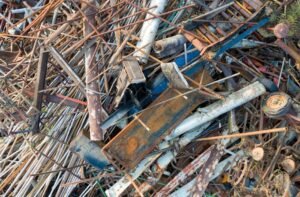
Not all steel is created equal. From a recycling perspective, the chemical composition and physical state of the metal determine how it can be repurposed. The most common form of scrap is mild steel, which is widely used in construction, automotive parts, and appliances. Because it is highly recyclable, it is the backbone of the scrap industry. However, the way you prepare this steel matters significantly.
When you bring your scrap to a yard, the operator will assess it based on standardized industry classifications. Understanding these classifications is vital for maximizing your profit. For a detailed breakdown of how these materials are categorized, refer to our guide on Steel Scrap Grading 1 Prepared 2 Prepared Shredded. This guide explains why “prepared” steel—which has been cut to specific dimensions and is free of non-metallic contaminants—is worth more than “unprepared” or “dirty” scrap.
Beyond standard steel, there are specialized alloys that command different rates. For instance, stainless steel is treated as a separate commodity due to its nickel and chromium content. If you are dealing with high-value alloys, you should always check the Stainless Steel Scrap Price before visiting a yard. Mixing stainless steel with regular carbon steel will often result in the entire load being downgraded to the lowest common denominator, effectively costing you money. Always keep your grades separated to ensure you receive the correct price per kg for each material type.
Factors Affecting Cost and Profitability
Several variables dictate the final price per tonne you receive at the weighbridge. Understanding these factors allows you to time your sales and prepare your materials for maximum value.
- Contamination: This is the number one reason for price deductions. Items containing plastics, rubber, wood, or concrete increase the cost of processing. A clean load of sheet metal is much easier to recycle than a load mixed with debris.
- Volume and Weight: While even small amounts of scrap are accepted, larger, consistent volumes often attract better rates. If you are a business generating regular scrap, speak to a local trader about establishing a commercial collection agreement.
- Global Commodity Trends: As mentioned, the international steel market dictates the baseline. When global demand for new steel rises, the demand for recycled scrap increases, pushing prices up.
- Processing Costs: The cost of labor, electricity, and heavy machinery (like shears and balers) is factored into the buying price. If your scrap is already pre-cut and sorted, the recycler saves on these costs and can pass those savings on to you.
For those looking for specific local rates, checking canning vale scrap metal prices is a smart move. Local yards may have specific needs at different times of the year, and building a relationship with a trusted local trader can provide you with better insights into when to sell.
How the Recycling Process Works
Recycling steel is an engineering marvel that transforms waste into a high-value resource. Once your scrap is collected in Canning Vale, it undergoes a multi-stage process to ensure it can be reused in manufacturing.
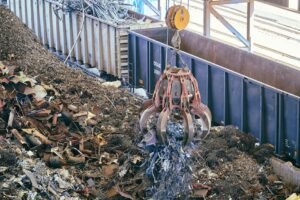
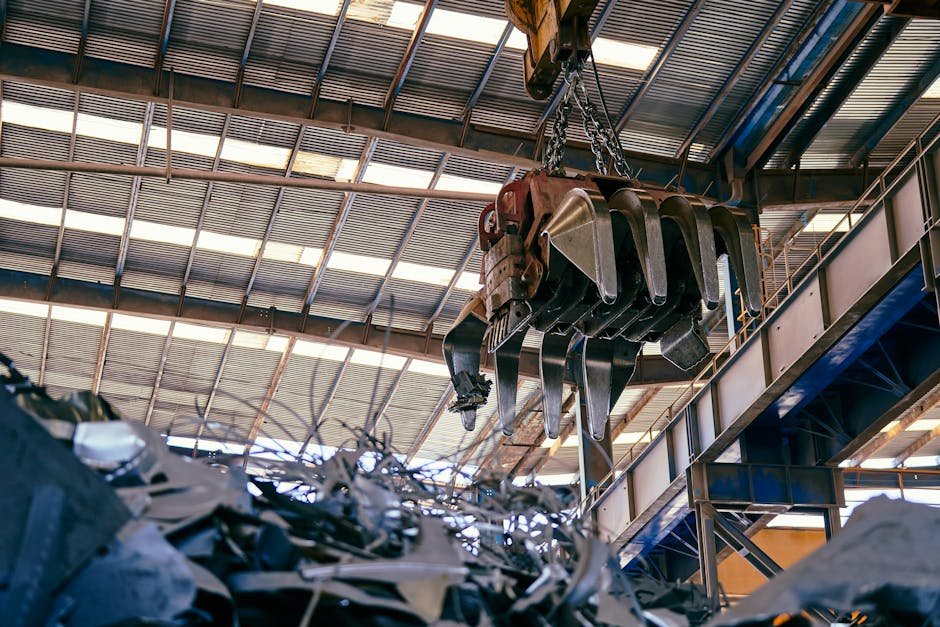
First, the scrap is sorted. Using magnets, sensors, and sometimes manual labor, recyclers separate ferrous metals (those containing iron) from non-ferrous metals like copper, aluminum, and brass. The ferrous metal is then processed through heavy-duty shredders that break the steel into smaller, uniform pieces. This increases the surface area, making it easier to melt down.
Next, the shredded material is cleaned. Air systems remove light debris like dust and plastic, while magnetic separators remove any remaining non-magnetic contaminants. The resulting “shred” is then transported to a steel mill, where it is melted in an electric arc furnace. This molten steel is then cast into billets, blooms, or slabs, which are then rolled into new products like beams, rods, or sheet metal. This process is incredibly efficient; steel can be recycled infinitely without losing its inherent properties, making it one of the most sustainable materials on the planet.
If you are interested in the broader industry standards, you can visit Scrap Trade for comprehensive resources on the logistics and compliance aspects of metal recycling. Furthermore, for those seeking specialized services in the Australian market, Scrap Trade Australia provides additional insights into national recycling standards and best practices.
Environmental Benefits of Scrap Steel Recycling
The environmental case for recycling steel is overwhelming. When we recycle, we significantly reduce the need for virgin iron ore mining, which is an energy-intensive and environmentally destructive process. Mining requires massive amounts of water, causes habitat destruction, and releases significant amounts of CO2 into the atmosphere.
By using recycled steel, manufacturers can reduce their energy consumption by up to 75% compared to producing steel from raw iron ore. This is because melting down existing steel requires far less heat than the chemical reduction of iron ore in a blast furnace. Furthermore, recycling diverts massive volumes of waste from landfills. In a rapidly growing city like Perth, the ability to manage construction and demolition waste sustainably is crucial for long-term urban planning.
When you choose to recycle your steel, you are participating in a circular economy that preserves natural resources for future generations. Every tonne of steel recycled saves approximately 1.5 tonnes of iron ore, 0.5 tonnes of coal, and 40% of the water required for primary production. It is a simple act with a massive positive impact on the Australian landscape.
Practical Tips for Sellers in Canning Vale
To ensure you are getting the best deal, follow these professional tips before heading to the scrapyard:
- Sort Before You Arrive: Do not mix your metals. Keep your steel separate from copper, aluminum, and stainless steel. The time you spend sorting will be paid back in higher returns.
- Clean Your Scrap: Remove non-metallic attachments. If you have a steel frame with wood or plastic attached, remove it. The cleaner the metal, the higher the grade, and the higher the price per kg.
- Know Your Weight: If you have a large load, try to get an estimate of the weight before you arrive. This helps you verify the scale reading at the yard.
- Check the Market: Commodity prices change frequently. If you have a large amount of scrap, it might be worth waiting a few days if the market is trending upward.
- Use Reliable Facilities: Look for yards that are transparent about their pricing and use calibrated, certified scales.
If you are unsure about the specific value of your material, you can look into steel scrap price canning vale to see if there are updated bulletins or pricing guides available for local suppliers. Building a rapport with the yard manager can also lead to better service and more accurate grading of your loads over time.
The Future of Steel Recycling in Western Australia
The scrap metal industry is currently undergoing a digital transformation. We are seeing more integration between logistics, real-time pricing, and sustainability reporting. As Western Australia continues to invest in infrastructure, the demand for high-quality recycled steel will only grow. This presents a massive opportunity for both individual sellers and commercial entities to contribute to a greener economy while benefiting from the financial incentives of recycling.
Technology, such as handheld X-ray fluorescence (XRF) analyzers, is becoming more common in yards. These devices allow operators to instantly determine the chemical composition of a piece of metal, ensuring that you are paid correctly for the specific alloy you are selling. This level of precision is raising the bar for the entire industry, moving us away from the “guesswork” of the past and toward a data-driven, transparent marketplace.
In conclusion, the market for scrap steel prices canning vale is a reflection of a global, high-tech, and environmentally vital industry. By understanding how prices are set, how to properly classify your materials, and the environmental impact of your choices, you can navigate the scrap market with confidence. Whether you are clearing out a small shed or managing the waste from a large-scale construction site, your contribution to the recycling loop is a valuable part of the Australian economy. Keep your scrap clean, keep it sorted, and stay informed about market trends to ensure you receive the best value for your materials.
Frequently Asked Questions
Frequently Asked Questions
What is the difference between prepared and unprepared scrap steel?
Prepared scrap has been cut to specific dimensions and is free of contaminants, making it ready for immediate furnace use. Unprepared scrap is bulky, often contains non-metallic attachments, and requires additional processing by the yard, which results in a lower payout.
How often do scrap metal prices change?
Scrap metal prices can fluctuate daily based on global commodity markets, shipping costs, and local demand. It is recommended to check current rates on the day you plan to sell your material.
Why should I separate my scrap metal before going to the yard?
Separating your metals ensures that you are paid the correct rate for each material type, such as stainless steel versus mild steel. If you mix metals, the yard will likely pay you the lowest grade price for the entire load.
Does the size of my scrap load affect the price per kg?
Yes, larger volumes often attract better pricing due to economies of scale in transportation and processing. Commercial clients with consistent, high-volume scrap often negotiate better rates than casual, one-off sellers.