
Navigating the complex landscape of scrap steel prices per kilo requires an understanding of both local Australian market dynamics and international commodity trends. As a business owner, contractor, or household recycler, knowing how to value your materials is essential for maximizing returns. Whether you are dealing with bulk loads of industrial offcuts or smaller household items, the price you receive is determined by a variety of economic and physical factors that shift daily.
To get the most accurate, up-to-the-minute data, it is helpful to monitor Scrap Prices regularly. Because steel is a commodity, its value is tied to the global steel price per tonne, which reacts to manufacturing demand, mining output, and energy costs. When you are ready to sell, knowing the difference between various grades—such as mild steel, heavy melting steel, and sheet metal—will ensure you are paid the correct rate for your specific material.
Understanding How Scrap Steel Prices Per Kilo Are Determined
The pricing mechanism for ferrous metal is rarely static. Unlike retail goods with fixed price tags, scrap steel prices per kilo are derived from the “mill price,” which is the amount steel mills pay for raw recycled material to feed their furnaces. This price is heavily influenced by the London Metal Exchange (LME) and regional supply chains.
Several primary factors dictate the current market value:
- Global Demand: If major manufacturing hubs in Asia or Europe are ramping up production, demand for recycled steel increases, driving up the price per tonne.
- Local Processing Costs: The distance the scrap must travel, the cost of labor for sorting, and the machinery required to shear or shred the metal all impact the final payout.
- Purity and Grade: Contamination is the enemy of value. Steel mixed with plastic, rubber, or non-ferrous contaminants requires expensive separation, which lowers the price you receive.
- Economic Indicators: Currency fluctuations (specifically the AUD against the USD) and energy prices play a significant role. Since steel production is energy-intensive, high electricity or gas prices can squeeze margins at the recycling plant, affecting the price per kg offered to the public.
For those looking to trade professionally, it is vital to keep an eye on Scrap Metal Prices to understand the broader market context. By understanding these variables, you can better time your sales to coincide with market peaks.
Categorizing Steel Grades: What You Are Actually Selling
Not all steel is created equal. When you approach a recycling facility, you will likely encounter several classifications. Understanding these categories is the first step in ensuring you receive fair compensation for your scrap metal recycling efforts.
Mild Steel
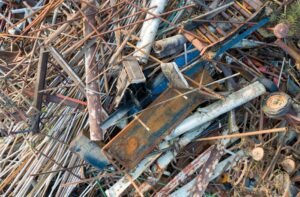
Mild steel is the most common form of steel used in construction and general manufacturing. It is a low-carbon steel, making it highly recyclable. Because it is so abundant, it is often treated as a “commodity” grade. You will often find this in the form of structural beams, rebar, and piping.
Sheet Metal
Sheet metal is thinner and often comes from automotive panels, roofing, or industrial cladding. While highly recyclable, its low density means it takes up more space in shipping containers, which can sometimes result in a lower price compared to heavy, dense steel.
Heavy Melting Steel (HMS)
HMS is the gold standard for scrap yards. It is thick, clean, and easy to melt down. Because it requires minimal processing and has a high yield, it generally commands the highest scrap steel prices per kilo among common ferrous metals.
If you are dealing with alloys that contain chromium or nickel, you might be looking at stainless steel rather than standard ferrous scrap. In these cases, you should consult resources regarding Stainless Steel Scrap Price to ensure you aren’t underselling your material. Furthermore, for those specifically handling high-value alloys, checking scrap stainless steel prices and comparing them to stainless steel prices for scrap can prevent significant financial loss.
The Recycling Process: From Scrap to New Steel
The lifecycle of steel is a circular success story. Unlike plastic, which often degrades in quality through repeated recycling, steel can be recycled indefinitely without losing its structural integrity. The process typically follows these steps:
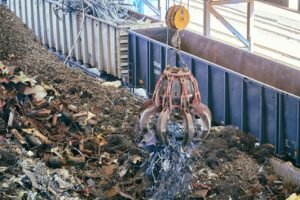
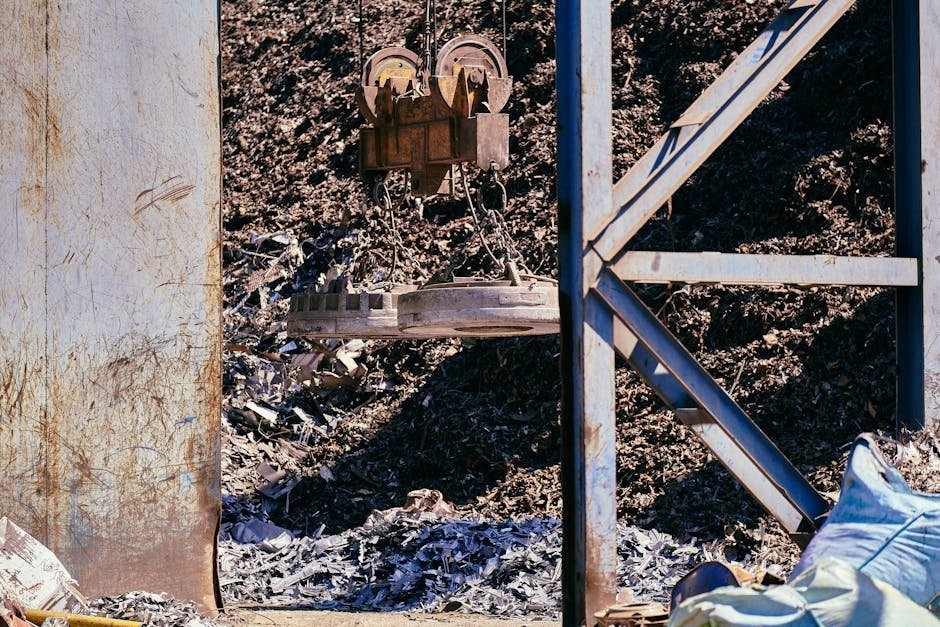
- Collection and Sorting: Scrap is gathered from demolition sites, manufacturing facilities, and consumer drop-off points. Advanced magnets are used to separate ferrous metal from non-ferrous materials like aluminum or copper.
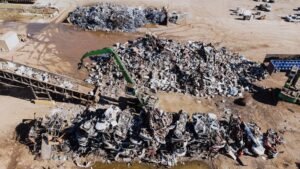
- Processing: The metal is shredded into smaller pieces to increase its surface area, which makes it easier to melt.
- Melting: The shredded steel is placed in an Electric Arc Furnace (EAF) or a Basic Oxygen Furnace (BOF). The metal is melted down at extremely high temperatures.
- Purification and Casting: Impurities are removed, and the molten steel is cast into billets, ingots, or slabs, which are then shipped to manufacturers to be turned into new products.
By choosing to recycle, you are actively participating in a professional scrap trading network that reduces the need for virgin iron ore mining, which is a highly destructive and energy-intensive process.
Environmental Benefits of Steel Recycling
The environmental case for recycling steel is overwhelming. When you bring your scrap to a facility, you aren’t just getting paid; you are contributing to a massive reduction in global carbon emissions. Recycling steel uses approximately 75% less energy than producing steel from raw iron ore. This energy saving translates directly into a smaller carbon footprint for the construction and automotive industries.
Furthermore, recycling prevents significant amounts of waste from entering landfills. Steel is a bulky material that takes up immense space and does not biodegrade. By diverting this material back into the supply chain, we conserve natural resources and reduce the ecological damage associated with mining, such as habitat destruction, soil erosion, and water pollution.
Practical Tips for Maximizing Your Scrap Returns
To ensure you are getting the best possible value, follow these expert tips:
- Sort Your Metals: Never mix your ferrous (steel/iron) with your non-ferrous (copper/brass/aluminum). Mixing them will result in the entire load being graded at the lowest common denominator price.
- Remove Contaminants: If you have steel items with attached plastic, wood, or glass, remove these before heading to the yard. Clean scrap is always worth more.
- Volume Matters: While small loads are accepted, larger quantities often qualify for better rates or even free collection services. If you have a large demolition project, contact a yard in advance to negotiate a bulk rate.
- Monitor the Market: Metal prices today change based on global trends. If you have the storage space, it can sometimes pay to hold onto your scrap until the market hits a high point.
By treating your scrap collection as a business operation, you can turn what many consider “waste” into a consistent revenue stream. Always verify the current rates with your local yard before transporting your load, as regional differences in freight and processing capacity can cause price variations between cities.
Future Trends in the Steel Scrap Market
As the world moves toward a “net-zero” economy, the demand for recycled steel is expected to skyrocket. Green steel initiatives, which focus on using renewable energy in the smelting process, rely heavily on high-quality scrap inputs. This shift is likely to put upward pressure on prices over the coming decade. Additionally, as countries implement stricter carbon taxes, the incentive for manufacturers to use recycled scrap rather than virgin ore will grow, further solidifying the value of your scrap steel.
Staying informed about these shifts is critical. Whether you are a small-scale recycler or an industrial supplier, understanding the long-term trajectory of the industry will help you make better decisions about when to sell and how to manage your inventory. The transition to a circular economy is not just an environmental necessity; it is a massive economic opportunity for those who understand the value of the materials they handle.
Conclusion: Turning Scrap Into Value
Scrap steel is a vital component of the global economy. By understanding the factors that influence the price per kilogram, correctly identifying your grades, and engaging with reputable recycling partners, you can ensure that you are treated fairly and paid accurately. Remember that the market is dynamic—staying educated and keeping your material clean are the two most effective ways to maximize your returns.
Whether you are clearing out a workshop or managing industrial waste, the recycling of steel is a win-win scenario. You receive payment for your efforts, and the environment benefits from reduced mining and lower energy consumption. Use the resources available to you, monitor the market trends, and take pride in knowing that your scrap is contributing to the sustainable future of Australian manufacturing.
Frequently Asked Questions
Why do scrap steel prices fluctuate?
Prices change based on global demand, the cost of energy, and the current price of raw iron ore. Since steel is a global commodity, international manufacturing trends heavily influence local rates.
Is it worth sorting my scrap steel before selling?
Yes, absolutely. Sorting your scrap by grade and removing contaminants like plastic or wood ensures you receive the highest possible price per kilogram.
How can I find the best price for my scrap steel?
Check current market reports and contact multiple local yards. Prices can vary based on the facility’s processing capacity and their current inventory needs.
What is the difference between ferrous and non-ferrous scrap?
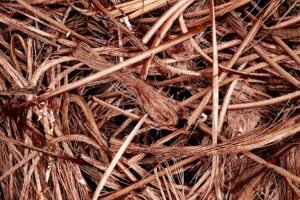
Ferrous metals contain iron (like steel) and are magnetic, while non-ferrous metals (like copper, aluminum, and brass) do not contain iron and are generally more valuable.