
Understanding Scrap Steel Rates in Australia
Scrap steel rates are a key indicator for businesses and individuals involved in metal recycling. These rates determine how much recyclers pay for ferrous materials, including old appliances, vehicles, and construction waste. The value of recycled steel fluctuates due to international market trends, domestic supply levels, and the quality of the material collected.
In Australia, scrap steel pricing is closely tied to global commodities markets. As one of the largest exporters of raw materials, changes in demand from countries like China and India directly impact local scrap steel rates. Recyclers monitor these shifts daily to adjust their buying prices and remain competitive. For up-to-date insights, visit Scrap Trade, a leading platform for tracking current metal values.
Steel Scrap Grading and Its Impact on Value
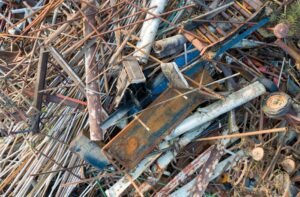
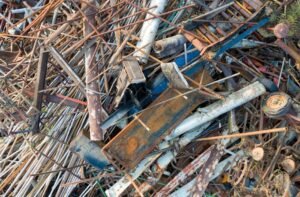
Not all scrap steel is valued equally. The classification system used across the industry ensures consistency in quality and pricing. Common categories include 1 Prepared, 2 Prepared, and Shredded steel, each with distinct specifications for size, cleanliness, and contamination levels.
For example, Steel Scrap Grading 1 Prepared 2 Prepared Shredded outlines the exact criteria buyers use when assessing material. Higher-grade steel with minimal impurities commands better scrap steel rates due to its efficiency in melting and reuse. Proper sorting and preparation can significantly increase returns for sellers.
- Mild steel from structural beams or machinery
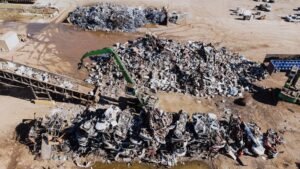
- Shredded auto scrap from end-of-life vehicles
- Stainless steel offcuts from manufacturing
- Prepared demolition waste
Recycling Process and Market Opportunities
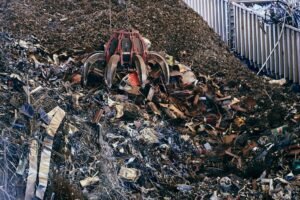
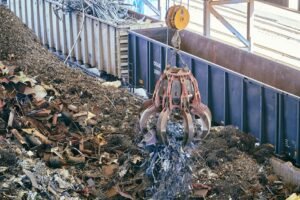
The journey of recycled steel begins with collection and ends in new products like construction materials or household appliances. After sorting and grading, the metal is melted in electric arc furnaces, purified, and reshaped — a process that uses 75% less energy than producing virgin steel.
For those looking to enter the market, understanding scrap steel pricing is essential. Factors such as transportation costs, volume, and local competition also influence final payouts. Whether you’re a contractor clearing a site or a manufacturer managing offcuts, knowing where and how to sell makes a difference.
If you’re interested in selling steel scrap, platforms like Scrap Trade Australia connect suppliers with verified recyclers nationwide. Additionally, learning what scrap trade actually is helps demystify the business model and highlights its environmental and economic benefits. For specialized materials like stainless steel, check the Stainless Steel Scrap Price guide to maximize returns.
With growing emphasis on sustainability, scrap steel rates are expected to remain strong as industries seek eco-friendly alternatives. Staying informed through trusted sources ensures you get the best value for your recyclable materials.
Frequently Asked Questions
What factors influence scrap steel rates in Australia?
Scrap steel rates are affected by global demand, material grade, purity, and regional supply. Economic conditions and energy costs also play a role in determining daily price fluctuations.
How is scrap steel graded before recycling?
Steel is classified into categories like 1 Prepared, 2 Prepared, and Shredded based on size, cleanliness, and contamination. Higher-grade materials fetch better prices due to easier processing.
Where can I find current stainless steel scrap prices?
Current stainless steel scrap prices are available at https://scrap.trade/stainless-steel-scrap-price/, which provides regular updates and market analysis.
Why is recycling steel environmentally beneficial?
Recycling steel reduces energy consumption by up to 75% compared to producing new steel. It also decreases landfill waste and lowers greenhouse gas emissions significantly.