
The term scrap tra, often shorthand for the scrap trade, represents a cornerstone of Australia’s circular economy and a critical, multi-billion dollar industry. It encompasses the entire lifecycle of recyclable materials, from collection and sorting to processing and eventual reintegration into manufacturing supply chains. For businesses, contractors, and individuals alike, understanding the nuances of scrap tra—including the precise grading of different metals, the intricate mechanics of the recycling process, and the significant positive environmental impact—is key to participating effectively and responsibly. This comprehensive guide will serve as your authoritative resource, demystifying the industry and highlighting its vital role in building a sustainable future for Australia.
What is Scrap Metal and How is it Graded?
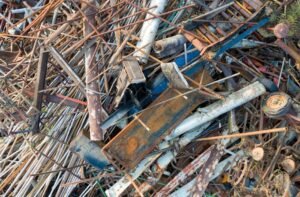
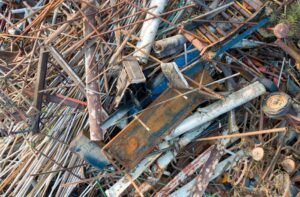
At its core, scrap metal refers to any discarded metallic material that has reached the end of its useful life but retains significant economic value due to its recyclability. This can range from old cars and demolished building structures to household appliances and industrial machinery. The entire system of What Is Scrap Trade is built upon a universal language of grading. These grades are standardized classifications that define the type, purity, and preparation of the Scrap. Accurate grading is paramount as it directly determines the price a seller will receive. Misgrading, whether intentional or accidental, can disrupt transactions and trust within the market.
Ferrous vs. Non-Ferrous Metals
The first and most critical distinction in the world of metal scrap is between ferrous and non-ferrous metals.
- Ferrous Metals: These are metals that contain iron. The most common example is steel. They are typically magnetic and are prone to rust when exposed to moisture. Despite often having a lower per-kilogram value than non-ferrous metals, ferrous scrap is recycled in enormous volumes, forming the backbone of the construction and automotive manufacturing industries.
- Non-Ferrous Metals: These metals contain no iron and are not magnetic. They are highly resistant to corrosion and are generally more valuable. Key examples include copper, aluminium, brass, lead, zinc, and stainless steel. The recycling of these materials is exceptionally efficient, often requiring only a fraction of the energy needed to produce them from virgin ore.
Common Scrap Metal Grades Explained
Within the two broad categories, metals are further broken down into specific grades. Knowing these grades is essential for anyone looking to Sell Scrap.
- Copper: #1 Copper (clean, uncoated wire), #2 Copper (solder/paint present), Light Copper (thin gauge), Copper Yokes (from TVs/monitors).
- Aluminium: Clean Extrusion (from windows/doors), Cast Aluminium (engine parts), Old Sheet Aluminium (gutters, siding), Dirty Aluminium (contaminated).
- Brass: Clean Brass (plumbing fixtures), Brass Shells (spent cartridges), Red Brass (valves, fixtures).
- Stainless Steel: Often separated into series (e.g., 304, 316) based on alloy content, but commonly graded as 18/8 (non-magnetic) and 400 Series (magnetic).
- Prepared Steel: #1 Prepared (1/4 inch thick, clean steel), #2 Prepared (light iron, like car bodies), Shredded/Tin (post-shredder material).
- Cast Iron: Heavy, brittle iron from engine blocks, pipes, and radiators.
Reputable yards like Scrap Trade provide detailed grading guides to help sellers properly sort and prepare their materials to achieve the best possible price.
The Scrap Metal Recycling Process: From Waste to New Product
The journey of a piece of scrap metal from a discarded item to a brand-new product is a marvel of modern industrial logistics and engineering. The process is highly efficient and involves several key stages, ensuring that valuable materials are recovered with minimal waste.
1. Collection and Sorting
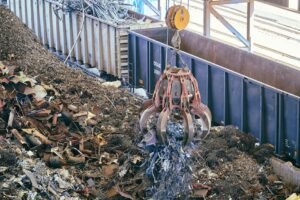
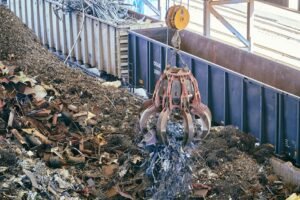
It all begins with collection. Scrap is sourced from a vast network including individual households, demolition sites, manufacturing plants, and automotive wreckers. Once collected, the material is transported to a recycling facility where the first stage of sorting occurs. This often involves large magnets to easily separate ferrous from non-ferrous metals. Further manual and mechanical sorting ensures different non-ferrous metals and their various grades are separated. This stage is crucial for maintaining the quality and value of the final recycled product.
2. Processing and Shearing
After sorting, large pieces of scrap often need to be reduced in size to make them easier to handle and melt. Shears are used to cut down massive steel beams and car bodies. Hydraulic balers compact light gauge metals like aluminium cans and sheet steel into dense, manageable bales that are efficient to transport and feed into furnaces.
3. Shredding
This is a particularly important step for end-of-life vehicles and white goods. Materials are fed into a powerful hammer mill that tears them apart into small, fist-sized pieces. The shredded material then passes under a giant magnet, which extracts the ferrous fraction. Advanced systems use eddy currents—powerful magnetic fields that induce electrical currents in non-ferrous metals, literally throwing them away from other materials to create a clean separation.
4. Melting and Purification
The prepared and sorted scrap is then charged into enormous, high-temperature furnaces. Each type of metal is melted in a dedicated furnace—a cupola for cast iron, an electric arc furnace (EAF) for steel, and reverberatory furnaces for aluminium, copper, and other non-ferrous metals. Melting in a EAF uses significantly less energy than producing new steel from iron ore. During melting, samples are taken and the chemistry is adjusted to meet precise specifications. Impurities are removed as slag, which itself can often be used in other applications like road base.
5. Solidifying and Formation
The molten metal is poured out and solidified into forms called ingots or billets. For steel, this might mean being continuously cast into long slabs. These solid forms are then transported to manufacturing plants where they are rolled, drawn, or extruded into new products. The cycle is complete when this recycled metal is used to manufacture a new car, a building beam, an aluminium can, or copper wiring, ready to begin its life anew.
The Immense Environmental Benefits of Scrap Tra
The environmental argument for robust scrap tra and metal recycling is overwhelmingly positive. It is one of the most effective tools we have in the fight against climate change and environmental degradation.
Conservation of Natural Resources
Mining is an incredibly resource-intensive and environmentally destructive process. It leads to deforestation, soil erosion, habitat destruction, and groundwater contamination. By recycling existing metals, we drastically reduce the demand for virgin ore. Recycling one tonne of steel conserves 1,100 kilograms of iron ore, 630 kilograms of coal, and 55 kilograms of limestone. Recycling aluminium saves us from having to mine four tonnes of bauxite for every single tonne of recycled metal produced.
Massive Energy Savings
This is perhaps the most significant benefit. Producing metals from recycled scrap requires far less energy than producing them from raw materials. The energy savings are staggering:
- Aluminium: Recycling uses up to 95% less energy than primary production.
- Copper: Recycling uses up to 85% less energy.
- Steel: Recycling uses up to 74% less energy.
This massive reduction in energy consumption directly translates to a substantial reduction in greenhouse gas emissions, making metal recycling a critical activity for mitigating climate change.
Reduction in Landfill Waste
Metal is permanent; it does not biodegrade. Diverting end-of-life metal products from landfill preserves valuable and limited landfill space and prevents potential soil and water contamination from metals and other hazardous substances that can leach from products like old electronics and batteries. When you consider that a single car contains over a tonne of steel, the impact of recycling becomes clear.
How to Get the Most Value from Your Scrap Metal
Whether you’re a tradesperson with leftover off-cuts or a homeowner cleaning out the shed, knowing how to prepare your scrap can significantly increase your payout.
- Sort and Separate: This is the golden rule. Keep different metals separate. Don’t mix copper with brass, or aluminium with steel. A load of mixed metals will be paid at the lowest-grade price. Separate different grades of the same metal if possible (e.g., clean copper wire from painted copper tubing).
- Clean Your Material: Remove any non-metallic attachments. Take plastic off copper wire, rubber hoses off brass fittings, and steel bolts out of aluminium castings. Contaminants add weight but no value and can even incur charges.
- Know Before You Go: Familiarize yourself with basic grades. Use a magnet to separate ferrous (sticks) from non-ferrous (doesn’t stick). Check current prices online or call ahead so you have a benchmark.
- Build a Relationship: Find a reputable yard like our platform at Scrap.Trade that offers transparent pricing and fair dealing. Building a relationship can lead to better service and valuable advice for future scrap endeavours.
The Economic Impact of the Scrap Industry in Australia
The scrap tra industry is not just an environmental champion; it is a major economic driver. It contributes billions of dollars to the Australian economy annually and supports tens of thousands of jobs directly and indirectly. These range from skilled jobs in logistics, material handling, and advanced processing facility operations to roles in engineering, brokerage, and international trade. The industry provides Australian manufacturers with a reliable, domestic source of high-quality raw materials, insulating them from volatile global commodity prices and supply chain disruptions. Furthermore, it generates significant export revenue, with Australia being a net exporter of certain scrap metals to manufacturing powerhouses in Asia.
The Future of Scrap Tra: Technology and Sustainability
The future of the scrap industry is one of increased efficiency, transparency, and integration with global sustainability goals. Technological advancements are rapidly transforming operations. Sophisticated sensor-based sorting technologies, including infrared scanners and X-ray transmission, are automating and improving the accuracy of material separation. Artificial intelligence and machine learning are being deployed to optimize logistics and material identification. The industry is also moving towards greater traceability, with blockchain and other technologies being explored to provide verifiable proof of the recycled content in new products—a key demand from environmentally conscious consumers and corporations. The core mission remains: to close the loop completely, ensuring that every piece of got scrap is seen not as waste, but as a valuable resource for tomorrow.
Conclusion
The world of scrap tra is complex, dynamic, and fundamentally important. It is an intricate dance of economics, engineering, and environmental stewardship. By understanding the graded value of different metals, the rigorous process that transforms old scrap into new products, and the profound environmental and economic benefits that result, we can all appreciate and participate in this critical industry more effectively. Whether you are a large-scale industrial generator of scrap or an individual looking to responsibly dispose of old items, your actions contribute to a more sustainable and circular economy for Australia and the world. The next time you see a piece of scrap metal, see it for what it truly is: not an endpoint, but the beginning of its next life.
Frequently Asked Questions
What is the most valuable scrap metal?
Clean, unalloyed copper is typically the most valuable common scrap metal due to its high conductivity and widespread use. Precious metals like gold, silver, and platinum found in electronics are even more valuable but are usually present in much smaller quantities and require specialized recovery.
How do I know if my metal is ferrous or non-ferrous?
The simplest and most effective test is to use a magnet. If the magnet sticks strongly to the metal, it is ferrous (contains iron). If the magnet does not stick, the metal is non-ferrous. Common non-ferrous metals include aluminium, copper, brass, and stainless steel (though some grades are slightly magnetic).
Why is recycling metal better for the environment?
Metal recycling conserves natural resources by reducing the need for virgin mining. It saves enormous amounts of energy—up to 95% for aluminium—which directly reduces greenhouse gas emissions. It also diverts significant waste from landfill, preventing soil and water contamination and preserving landfill space.
Do I need an ID to sell scrap metal in Australia?
Yes, most reputable scrap yards require sellers to provide photographic identification. This is a mandatory requirement under state and territory laws designed to combat metal theft. You will typically need to show a driver’s licence or passport to complete a transaction.