
Navigating the complex world of scrap metal requires specialized knowledge and efficient market access, which is precisely what a modern scrap trading platform provides. This comprehensive guide examines the critical aspects of scrap trading, from standardized classification systems to advanced recycling processes and quantifiable environmental advantages.
What is a Scrap Trading Platform?
Scrap trading platforms serve as digital marketplaces connecting industrial generators, demolition contractors, and scrap yards with processors and mills. Unlike traditional fragmented markets, these platforms standardize transactions through transparent pricing, verified quality assessments, and secure logistics. Leading solutions like Scrap.trade employ advanced analytics to match supply and demand dynamically, ensuring fair market value for participants. The shift to digital platforms has revolutionized scrap trading by reducing price opacity and transaction friction that historically plagued the industry.
Understanding Scrap Metal Grades: The Industry’s Classification System
Scrap grading establishes a universal language for quality assessment. Grades determine pricing and processing requirements, with systems maintained by organizations like ISRI (Institute of Scrap Recycling Industries). Major categories include:
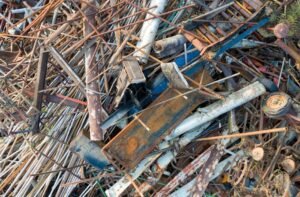
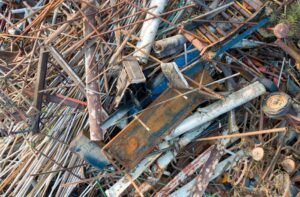
- Ferrous Scrap Grades: Defined by density, contamination levels, and composition. #1 Heavy Melt (HMS1) consists of 1/4-inch thick steel sections (max 5ft x 18in), while Shredded Scrap results from fragmentized vehicles. Structural steel (P&S) requires specific dimensions with low coatings.
- Non-Ferrous Grades: Copper grades range from Bare Bright (clean, unalloyed wire) to #2 (mixed tubing). Aluminum grades separate extrusion alloys (6063) from cast alloys (380). Stainless steel grades segregate by nickel content (304 vs 316).
- Specialty Grades: E-Scrap requires segregation of circuit boards (high-grade), cables, and housings. Auto shredder residue (ASR) undergoes advanced separation to recover non-ferrous metals.
The Scrap Recycling Process: Step-by-Step Transformation
Recycling converts discarded metal into production-ready material through precise engineering:
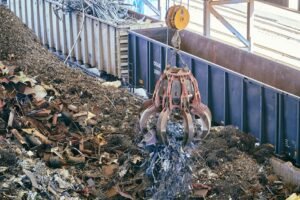
- Collection & Sorting: Material sourced from manufacturing offcuts, end-of-life products, and demolition sites undergoes initial sorting using magnets (ferrous separation), eddy currents (non-ferrous), and spectral analyzers for alloy identification.
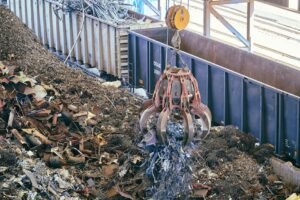
- Processing: Shredders reduce bulk items to fist-sized fragments. Shears cut structural steel. Industrial granulators process wire into copper granules. Advanced scrap trading ai systems enhance sorting accuracy through machine vision.
- Melting & Purification: In electric arc furnaces (EAFs), ferrous scrap melts at 1,600°C. Aluminum undergoes rotary furnaces with salt fluxes to remove impurities. Electrolytic refining extracts pure copper from lower-grade scrap.
- Manufacturing: Reprocessed metal transforms into new products – recycled steel becomes reinforcement bars, aluminum turns into automotive components, and copper forms new electrical wiring.
Environmental Benefits: The Carbon Math of Scrap Recycling
Metal recycling delivers profound ecological advantages verified by lifecycle assessments:
- Energy Savings: Recycling aluminum requires 95% less energy than primary production (17,000 kWh/ton vs 700 kWh/ton). Steel recycling saves 74% of energy (14,000 kWh/ton vs 3,600 kWh/ton).
- Emissions Reduction: Every tonne of recycled steel prevents 1.5 tonnes of CO2 emissions. Aluminum recycling generates only 5% of primary production emissions.
- Resource Conservation: Recycling 1 tonne of copper conserves 110 tonnes of virgin ore. Metal recycling reduces mining pressure on ecosystems globally.
- Landfill Diversion: Australian recyclers process 12 million tonnes of metal annually, preventing hazardous waste accumulation.
Organizations like Scraptrade.com.au quantify these impacts through environmental reporting, demonstrating how responsible Scrapuncle Your Go To Platform For Scrap Metal Trading contributes to ESG goals.
Technology Revolutionizing Scrap Trading
Modern platforms integrate multiple technologies to enhance efficiency:
- AI-powered material recognition automates grade verification using image analysis
- Blockchain-enabled documentation creates immutable custody records
- Real-time pricing algorithms adjust to global LME (London Metal Exchange) fluctuations
- Integrated logistics coordinate transport optimization
- Digital payment systems ensure transaction security
These innovations make platforms like the B2b Scrap Trading Platform indispensable for industrial-scale operations requiring audit trails and volume management.
Selecting the Right Platform: Key Considerations
Evaluate scrap trading platforms based on:
- Grade Verification: Third-party inspection protocols and digital certification
- Market Depth: Active buyer/seller participation ensuring liquidity
- Transparency: Real-time pricing visible before transaction commitment
- Compliance: Adherence to Australian regulations (AS/NZS 5377 e-waste standards)
- Value-Added Services: Integrated logistics, payment processing, and volume analytics
The Industrial Scrap Trading Platform B2b Marketplace exemplifies comprehensive solutions meeting these criteria.
Future Trends: Towards a Circular Economy
Emerging developments include:
- Carbon credit integration for low-emission scrap streams
- Advanced material recovery facilities (MRFs) with robotic sorting
- Traceability systems meeting EU battery passport requirements
- Green steel production using 100% recycled content
- Platform-to-platform API integrations streamlining supply chains
Conclusion: The Strategic Value of Digital Scrap Platforms
Modern scrap trading platforms create economic and environmental value by transforming waste into strategic resources. By standardizing grades, optimizing logistics, and providing market transparency, these systems enable businesses to achieve sustainability targets while improving profitability. As material circularity becomes imperative, leveraging a specialized scrap trading platform provides the technological infrastructure necessary for efficient resource recovery and carbon reduction at scale.
Frequently Asked Questions
What are the most valuable scrap metal grades?
Bare Bright copper (clean, uncoated wire) commands premium pricing, followed by segregated aluminum alloys like 6063 extrusions. Stainless steel 304 and catalytic converters rank highly. Ferrous scrap value depends on density and contamination levels, with HMS1 structural steel typically fetching the best rates among ferrous grades.
How does scrap metal recycling reduce carbon emissions?
Recycling bypasses energy-intensive mining and ore processing. Producing aluminum from scrap uses 95% less energy than primary production, slashing associated emissions. Similarly, recycled steel production generates 58% less CO2 per tonne than virgin steel. These energy savings directly translate to lower greenhouse gas emissions throughout the supply chain.
What technology do scrap trading platforms use for quality verification?
Leading platforms integrate XRF (X-ray fluorescence) analyzers for instant alloy identification, AI-powered visual recognition systems that compare materials against grade specifications using image databases, and blockchain-enabled digital certificates that provide immutable quality records. These technologies reduce disputes by providing objective quality documentation.
How do businesses benefit from using a B2B scrap trading platform?
Businesses gain real-time market pricing transparency, access to expanded buyer/seller networks, automated documentation, and secure payment processing. Platforms streamline logistics coordination and provide auditable compliance records. Industrial users particularly benefit from volume management tools and integration with ERP systems, transforming scrap from waste into a revenue stream.