
Understanding the scrap yard copper price is essential for scrap metal traders, DIY enthusiasts, and industrial operators in Australia. Copper remains one of the most valuable materials in the recycling industry due to its conductivity, durability, and high demand in renewable energy and electronics sectors. This guide provides a comprehensive breakdown of current market values, pricing mechanisms, and strategies to optimize returns when selling copper scrap.
Understanding the Current Market Value
The scrap yard copper price is determined by a dynamic interplay of global and local factors. As of 2024, prices for clean, high-grade copper (e.g., bare bright copper) typically range from $30 to $35 per kg, while lower grades like Number 2 copper fetch $18 to $25 per kg. For the most accurate scrap copper price today, check real-time updates on platforms like Scrap Trade, which aggregate data from major trading hubs across Australia.
Historically, copper prices have shown significant volatility. For instance, the London Metal Exchange (LME) saw a 15% surge in 2023 due to increased demand for electric vehicle components and solar panel infrastructure. However, localized factors such as transportation costs and regional supply imbalances can cause discrepancies between global benchmarks and on-ground prices.
How Prices Are Set in the Scrap Metal Industry
The scrap yard copper price is influenced by four primary factors:
- Global Demand: Countries like China and the U.S. drive demand for copper in construction, electronics, and renewable energy projects.
- Supply Chain Disruptions: Mining output, refining capacity, and geopolitical tensions (e.g., Chilean strikes) affect availability.
- Currency Exchange Rates: The USD/AUD ratio impacts the cost of imported copper and export competitiveness.
- Purity and Preparation: Clean, sorted materials like copper wire scrap command higher prices than contaminated scrap.
Scrap yards often reference the LME daily closing price but adjust for transaction costs and local market conditions. For example, a 2023 study by the Australian Institute of Recycling found that yards in Western Australia charged 5-10% more per kg than Sydney due to higher transport costs.
Grades of Scrap Copper and Their Market Value
Copper is categorized into grades based on purity and preparation. The most common types include:
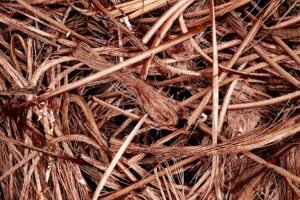
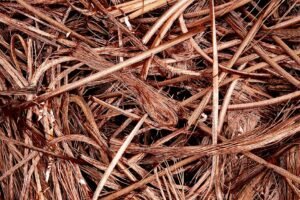
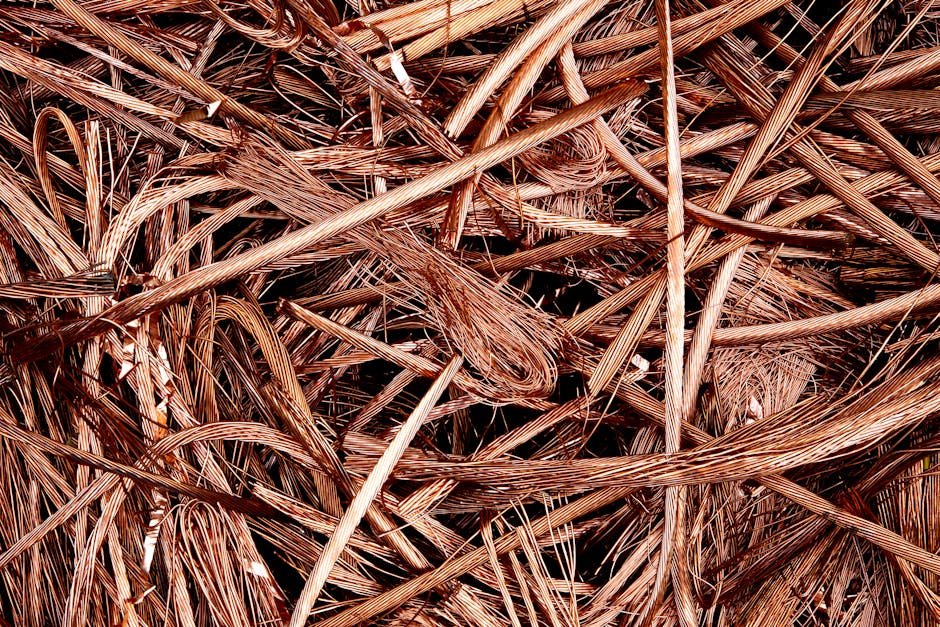
- Bare Bright Copper: 99%+ pure, ideal for electrical wiring. $30–35/kg.
- Number 2 Copper: Mixed scrap with some insulation or coatings. $18–25/kg.
- Copper Wire: Includes motor wire and phone cables. Clean copper wire fetches $28–32/kg.
- Copper Pipe: Used plumbing pipes with 92%+ copper content. $22–28/kg.
Proper sorting is critical. For instance, mixing stainless steel with copper can devalue your load. Tools like X-ray fluorescence (XRF) analyzers help scrap yards verify metal composition before pricing.
The Copper Recycling Process: From Yard to Factory
Copper recycling involves five stages:
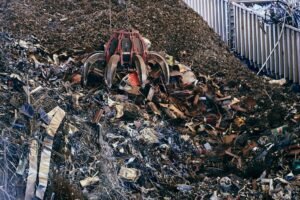
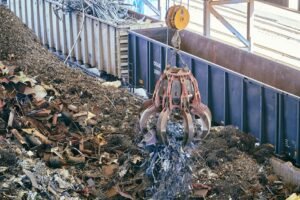
- Collection: Scrap is gathered from demolition sites, manufacturing waste, and consumer electronics.
- Sorting: Automated systems separate copper from alloys and contaminants using magnets and optical sensors.
- Shredding: Large items like copper pipe are shredded to increase surface area for smelting.
- Smelting: Impurities are burned off in high-temperature furnaces.
- Refining: Electrolysis produces 99.99% pure copper for industrial use.
Recycling saves 85% of the energy required to mine and process new copper. In 2022, Australia recycled over 300,000 tons of copper scrap, reducing CO2 emissions by 1.2 million tons.
Environmental Benefits of Copper Recycling
Recycling copper offers three key environmental advantages:
- Resource Conservation: Copper ore is finite, with global reserves projected to last 45 years at current consumption rates.
- Landfill Reduction: Every ton of recycled copper prevents 2.4 tons of mining waste.
- Energy Savings: Producing recycled copper uses 80% less energy than primary extraction.
In Australia, the Scrap Trade initiative has partnered with local councils to incentivize householders to recycle copper via tax rebates, boosting collection rates by 18% in 2023.
Practical Tips for Maximizing Your Scrap Copper Profits
To get the best scrap yard copper price, follow these strategies:
- Choose Reputable Buyers: Use platforms like Scrap Copper Near Me to compare local rates.
- Clean Your Materials: Remove insulation, dirt, and mixed metals before selling.
- Sort by Grade: Separate bare bright copper from Number 2 copper to avoid downgrading.
- Track Price Fluctuations: Monitor current scrap prices weekly, as copper prices can shift rapidly.
- Bundle with Other Metals: Selling stainless steel alongside copper can increase your overall payout.
FAQ: Common Questions About Scrap Yard Copper Price
Frequently Asked Questions
How do I find the current scrap yard copper price in my area?
Use platforms like scrap copper price today to check real-time rates. Local scrap yards also update prices based on the London Metal Exchange (LME) and regional demand.
Why is bare bright copper more expensive than Number 2 copper?
Bare bright copper is 99% pure and requires no additional refining, while Number 2 copper contains impurities like insulation or coatings that increase processing costs.
Can I sell copper wire with insulation still on it?
Yes, but it will be classified as Number 2 copper and paid at a lower rate. Removing insulation manually or using heat tools can upgrade it to bare bright copper for higher returns.
How often do scrap copper prices change?
Prices can fluctuate daily due to global market trends, exchange rates, and supply chain disruptions. Check current scrap prices at least once a week for the most accurate information.