
Understanding scrap yard copper prices is essential for anyone involved in the Australian metal recycling chain, whether you are a homeowner with leftover copper wire, a contractor with de‑commissioned copper pipe, or a dealer managing bulk inventory. This guide breaks down the pricing methodology, the grades that command different rates, the factors that push prices up or down, and the environmental payoff of copper recycling.
1. Overview of the Australian Copper Scrap Market
Australia’s copper scrap market is tightly linked to the global copper price, which is quoted on the London Metal Exchange (LME) in US dollars per tonne. Local yards convert that benchmark into a copper price per kg after accounting for transport, processing costs, and the specific grade of material. As of April 2024, the LME copper price sits around US$9,200 per tonne, translating to roughly AUD$13,500 per tonne (≈ AUD$13.5 per kg) after currency conversion and premium adjustments. These figures are reflected in the daily Scrap Prices published by industry portals.
2. How Scrap Yard Copper Prices Are Set
Pricing at a scrap yard is not a static number; it is the result of a layered calculation:
- Global commodity benchmark: The LME spot price provides the base value.
- Exchange rate: USD/AUD fluctuations affect the local conversion.
- Grade premium or discount: Higher purity copper (e.g., bare bright copper) commands a premium, while mixed or contaminated material receives a discount.
- Processing costs: Sorting, shearing, and melting incur expenses that are deducted from the base price.
- Regional supply‑demand dynamics: A surge in construction projects in New South Wales can tighten local supply, raising prices, whereas a large influx of scrap from a demolition can depress rates.
Scrap yards publish their rates on platforms such as Scrap Trade, where you can compare the latest Scrap Copper Prices Near Me across different locations.
3. Grades of Scrap Copper and Their Typical Rates
Not all copper is created equal. Australian yards recognise several standard grades, each with a distinct price band:
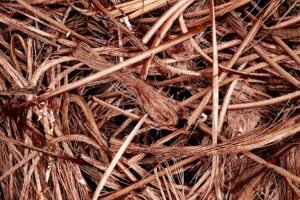
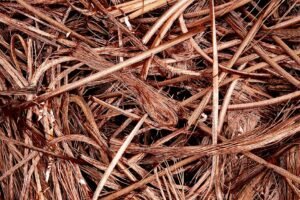
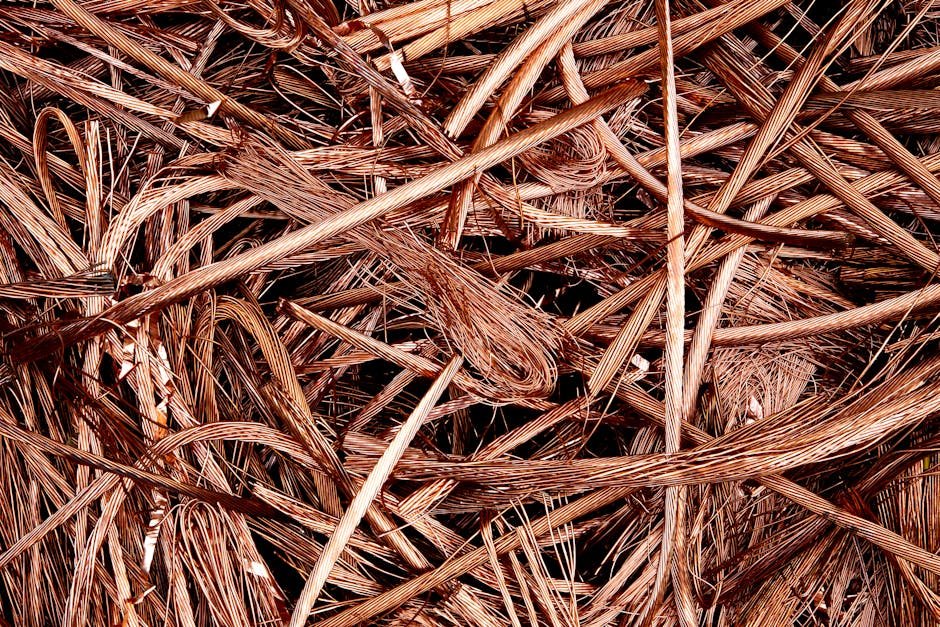
- Bare Bright Copper (BBC): Clean, uncoated copper with ≥99.9% purity. This grade commands the highest price, often 5‑10% above the base rate.
- Number 2 Copper: Includes stripped copper wire, tubing, and pipe that may have minor oxidation or light coating. It is the most common grade and usually trades at the base price.
- Copper Wire (strip or unstriped): Prices vary depending on whether the wire is stripped of insulation. Stripped wire can fetch a premium similar to BBC, while insulated wire is priced lower.
- Copper Pipe: Used‑water or gas pipe often carries a small discount due to potential contamination with solder or fittings.
- Mixed Copper: A blend of different copper items, often with non‑copper contaminants, receives the lowest price per kg.
For real‑time data, visit the Copper Scrap Group page, which aggregates rates from multiple yards.
4. Key Factors That Influence Scrap Yard Copper Prices
Several variables can cause daily swings in the rates you see on the yard’s price board:
- International copper demand: Infrastructure projects in China, the United States, and Europe drive global demand, pushing up LME prices and, consequently, local scrap rates.
- Domestic construction activity: A boom in residential or commercial builds in Australia raises demand for new copper, indirectly lifting scrap prices as yards compete for feedstock.
- Exchange rate volatility: A stronger Australian dollar reduces the local value of an imported commodity, potentially lowering scrap yard copper prices.
- Seasonal factors: Summer months often see higher scrap volumes from renovation projects, which can depress prices unless demand matches supply.
- Regulatory changes: New environmental regulations that increase the cost of primary copper production can make recycled copper more attractive, supporting higher scrap rates.
Monitoring the scrap copper wire prices section gives you insight into how one specific grade moves relative to the broader market.
5. The Copper Recycling Process – From Yard to Melt
When you drop off copper at a yard, it undergoes a series of steps before it becomes reusable metal:
- Inspection & grading: Yard staff assess purity, identify contaminants, and assign a grade.
- Sorting: Materials are separated by grade using manual or automated systems such as magnetic separators (for ferrous removal) and optical sorters.
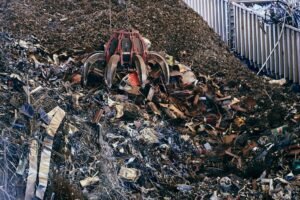
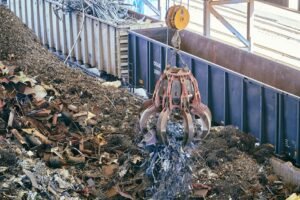
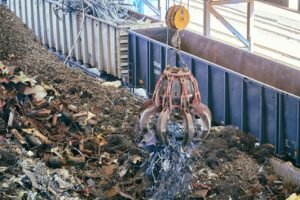
- Shearing & baling: Large pieces are cut to manageable sizes and compacted for transport.
- Transportation: Baled copper is shipped to a smelter, often located in major ports like Melbourne or Brisbane.
- Melting: At the smelter, copper is melted in a furnace at temperatures above 1,080°C, removing residual impurities.
- Refining: Electrolytic refining raises purity to 99.99%, producing high‑grade copper cathodes ready for resale.
The entire loop reduces the need for virgin ore extraction, saves energy, and cuts greenhouse‑gas emissions. For a deeper dive into the recycling chain, explore the Australian scrap metal marketplace ScrapTrade.com.au.
6. Environmental Benefits of Copper Recycling
Recycling copper delivers measurable ecological gains:
- Energy savings: Recycling uses up to 85% less energy than primary production, equating to roughly 3 MJ per kilogram saved.
- Reduced emissions: Lower energy consumption translates into 2‑3 tonnes of CO₂ avoided per tonne of recycled copper.
- Conservation of resources: Copper is a finite resource; each kilogram recycled preserves ore that would otherwise need to be mined.
- Landfill diversion: Keeping copper out of landfill reduces leaching of heavy metals into soil and groundwater.
These benefits are increasingly recognized in corporate sustainability reporting, making recycled copper a preferred material for green construction projects.
7. Practical Tips for Maximising Your Returns
Whether you are a DIY enthusiast or a commercial generator of copper scrap, the following practices can help you secure the best price:
- Separate grades early: Keep bare bright copper, stripped wire, and pipe in distinct piles to avoid cross‑contamination.
- Remove non‑copper attachments: Cut off brass fittings, steel clamps, and insulation before delivery.
- Know the local rates: Check the daily scrap copper prices concord listings to time your drop‑off when rates peak.
- Negotiate bulk discounts: Some yards offer higher per‑kg payouts for loads exceeding a certain weight, especially if you provide pre‑sorted material.
- Maintain documentation: Keep receipts for large transactions; they can be useful for tax deductions or carbon‑credit claims.
By following these steps, you align with the expectations of professional yards and improve the overall efficiency of the recycling loop.
8. Conclusion – Staying Informed in a Dynamic Market
The landscape of scrap yard copper prices is shaped by global economics, local construction trends, and the ever‑growing emphasis on sustainability. By understanding how prices are set, recognizing the value of each copper grade, and appreciating the environmental upside of recycling, you can make informed decisions that benefit both your bottom line and the planet. Keep an eye on reputable sources such as the Scrap Trade portal for up‑to‑date market data, and consider joining industry groups like the Copper Scrap Group to stay ahead of pricing trends.
Remember, every kilogram of copper you recycle not only contributes to a healthier environment but also feeds back into the circular economy, supporting jobs and reducing reliance on virgin ore. Stay proactive, sort smart, and watch the market – the next rise in copper price per kg could be just around the corner.
Related: scrap copper prices concord
Frequently Asked Questions
How often do scrap yard copper prices change?
Prices are typically updated daily to reflect the latest LME copper spot price, exchange rates, and local supply‑demand conditions.
What is the difference between bare bright copper and number 2 copper?
Bare bright copper is a high‑purity, uncoated grade that commands a premium, while number 2 copper includes stripped wire, pipe and other clean copper that trades at the base market rate.
Can I get a better rate by delivering larger quantities of copper?
Many yards offer bulk premiums for loads above a certain weight, especially when the material is pre‑sorted by grade and free of contaminants.
Why is copper recycling considered environmentally beneficial?
Recycling copper saves up to 85% of the energy required for primary production, reduces CO₂ emissions, conserves natural ore resources, and prevents landfill contamination.