
For residents and businesses in and around the Glenfield area, understanding the role and operations of a local scrap yard Glenfield is key to participating in the circular economy. These facilities are far more than simple collection points; they are sophisticated hubs that drive sustainability, provide economic opportunity, and contribute directly to environmental conservation. This comprehensive guide will delve into everything you need to know, from the different grades of scrap metal accepted to the intricate journey your metal takes through the recycling process and the profound benefits it delivers for our planet.
Understanding Scrap Metal Grades: From Household Items to Industrial Waste
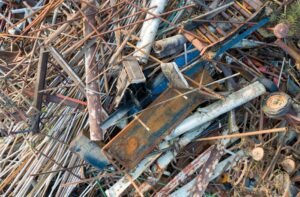
One of the most critical functions of any professional metal recycler is the accurate grading of incoming materials. Scrap metal is not a single, uniform product but is categorized into distinct grades based on type, composition, thickness, and contamination. Correct identification is essential as it directly determines the value of your scrap and how it will be processed. Most scrap yards, including a well-run scrap yard Glenfield, adhere to a standard grading system.
Ferrous vs. Non-Ferrous Metals
The primary division in the scrap metal world is between ferrous and non-ferrous metals. This fundamental distinction is the first step in sorting at any recycling depot.
- Ferrous Metals: These metals contain iron, making them magnetic. This property makes them relatively easy to separate from other waste streams. The most common example is steel, which is used in everything from cars and appliances to structural beams and food cans. While ferrous metals are incredibly common and recycled in massive volumes, they generally command a lower price per tonne than non-ferrous metals due to their abundance.
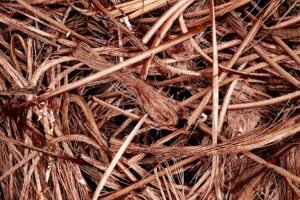
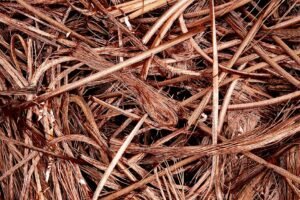
- Non-Ferrous Metals: These metals do not contain iron and are not magnetic. This category includes highly valuable metals like copper, aluminium, brass, lead, and stainless steel. Non-ferrous metals are often more resistant to corrosion and are typically more malleable. Due to their higher value and specific properties, they are carefully sorted into their own precise grades. For instance, clean, bare copper wire is one of the most valuable grades, while aluminium from window frames is sorted separately from cast aluminium.
Common Scrap Metal Grades You Can Sell
Whether you’re a first-time visitor or a seasoned trader, knowing what you have will ensure a smooth experience when you buy and sell scrap. Here’s a breakdown of common grades:
- Light Iron/Steel: This includes thin, sheet-based metals like whitegoods (washing machines, dryers), car bodies, and filing cabinets.
- Heavy Melting Steel (HMS): Thicker steel sections, often from demolition and construction sites, such as I-beams, girders, and large machinery parts.
- Cast Iron: Recognizable by its brittle nature and often used in engine blocks, radiators, and old-fashioned bathtubs.
- #1 Copper: Clean, uncoated, unalloyed copper wire or tubing with a minimum thickness of 1/16 inch. No paint, solder, or corrosion.
- #2 Copper: May include solder, paint, light plating, or light corrosion. Still valuable but priced lower than #1.
- Clean Aluminium: This refers to uncontaminated aluminium extrusions (like from window frames) or clean sheet aluminium.
- Cast Aluminium: Often dirty and painted, coming from items like lawnmower housings, engine parts, and some cookware.
- Brass: A yellow-colored alloy of copper and zinc. Common in plumbing fixtures, valves, and keys.
- Stainless Steel: A non-magnetic alloy that must be sorted separately from other steel. Found in sinks, appliances, and commercial kitchen equipment.
If you’re unsure about what you have, a reputable yard like the Zores Scrap Yard Your Trusted Destination For Scrap Metal will have experts on hand to help you identify and grade your materials accurately.
The Scrap Metal Recycling Process: A Step-by-Step Journey
Once you drop off your metal at a walk-in recycling centre, it embarks on a complex and efficient journey. The process at a modern facility is a marvel of logistics and engineering designed to maximize recovery and minimize waste.
1. Collection and Weigh-In
The process begins when individuals, tradespeople, or businesses bring their scrap to a yard. Your vehicle is driven onto a large industrial scale to be weighed fully loaded. After you unload your materials into the designated areas, your vehicle is weighed again empty. The difference between the two weights is the tonnage of your scrap, which is used to calculate your payment.
2. Sorting and Separation
This is the most labour and technology-intensive phase. Materials are sorted into their respective categories. This happens in several ways:
- Manual Sorting: Workers visually identify and separate different metals, often using tools like magnets to distinguish ferrous from non-ferrous.
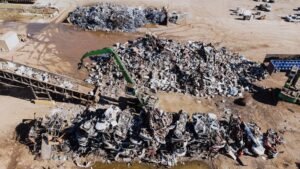
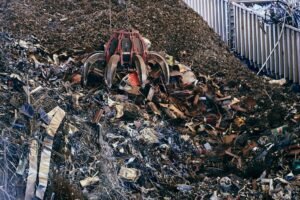
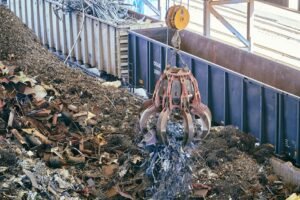
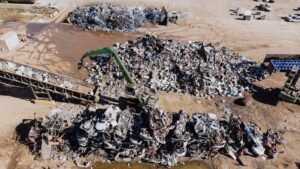
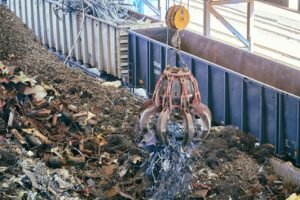
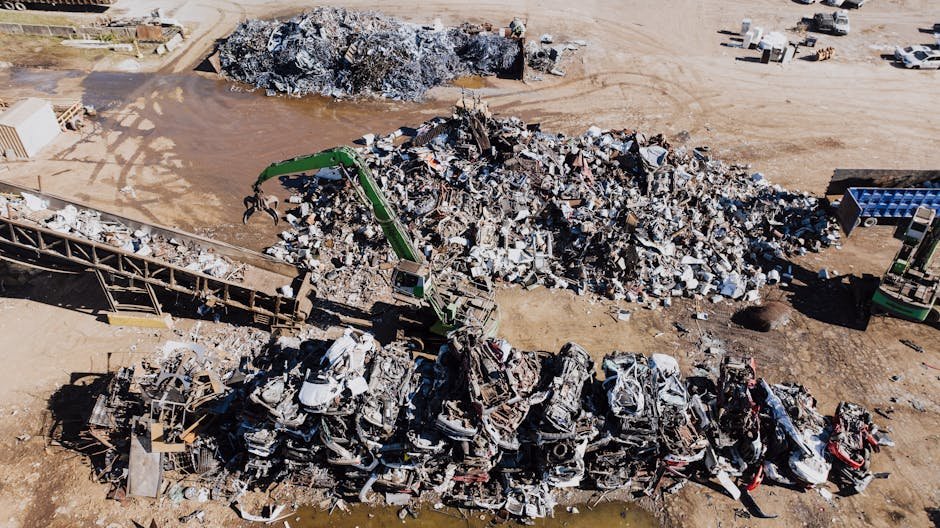
- Mechanical Processing: For larger volumes, machinery like excavators with grapples is used to move and roughly sort materials.
- Advanced Separation: Some yards use more advanced technology like shears to cut large pieces, balers to compact light iron, and shredders to break down cars and appliances into small, manageable pieces. After shredding, powerful magnets easily extract ferrous metals, while eddy current separators use magnetic fields to repel and separate non-ferrous metals.
3. Processing and Preparation
Once sorted, metals are prepared for transport to mills and foundries. This involves compacting them to save space and reduce shipping costs. Ferrous scrap is often compressed into large cubes or bales. Non-ferrous metals like copper and aluminium are shredded, cleaned, and baled or bundled into dense blocks for smelting.
4. Melting and Purification
The prepared scrap is transported to a mill where it is melted down in enormous furnaces. Each type of metal is melted in a dedicated furnace designed to reach the specific temperature required. The melting process purifies the metal; impurities rise to the surface as slag and are removed. The molten metal is then tested and often mixed with other elements to achieve the exact desired alloy composition.
5. Solidification and New Product Manufacturing
The purified molten metal is poured into casts to form ingots, bars, or sheets. These raw forms of metal are then sold to manufacturing facilities where they are used to create brand new products. A recycled aluminium can may become part of a car door within a few months, while recycled steel beam might find new life in the construction of a building, completing the circular loop.
Environmental Benefits of Using a Scrap Yard in Glenfield
Choosing to recycle metal at a local scrap yard Glenfield is one of the most effective individual actions you can take for the environment. The benefits are extensive and impactful.
Conservation of Natural Resources and Energy Savings
Mining virgin ore is an incredibly destructive and energy-intensive process. It involves clearing land, creating open-pit mines, and using massive amounts of energy to extract and process the metal from the rock. Recycling metal circumvents this entire process. Using scrap steel instead of virgin iron ore reduces mining waste by 97%, saves 75% energy, and reduces water pollution by 76%. Similarly, recycling aluminium saves an astonishing 95% of the energy required to make new aluminium from bauxite ore.
Reduction in Landfill Waste and Greenhouse Gas Emissions
Metal is permanent; it does not decompose in a landfill. By diverting scrap metal from the waste stream, we conserve enormous amounts of landfill space for materials that cannot be recycled. Furthermore, the energy savings directly translate into a massive reduction in greenhouse gas emissions. The steel industry, for example, has stated that recycling one tonne of steel saves 1.5 tonnes of iron ore, 0.5 tonnes of coal, and 70% of the energy, which in turn reduces CO2 emissions by up to 58%.
Water Preservation and Ecosystem Protection
Traditional metal mining and refining are notoriously water-intensive and polluting. The process can lead to acid mine drainage, which contaminates waterways with heavy metals and sulfuric acid, devastating aquatic life. By supplying the manufacturing sector with recycled metal instead of virgin metal, we drastically reduce the demand for these destructive mining operations, helping to preserve local water tables and protect fragile ecosystems from degradation.
How to Prepare Your Scrap for Maximum Value
To get the best possible price for your scrap and to make the process efficient for the metal recycler, proper preparation is key. A little effort on your part can significantly increase the value of your load.
- Sort and Separate: Keep different metals separate. Don’t mix copper with steel or aluminium with brass. A bin of mixed metals will be paid at the lowest-value grade in the mix. Sorting it yourself means you get paid the full price for each metal type.
- Remove Contaminants: Take the time to remove any non-metal attachments. This means pulling copper wire out of appliances, removing plastic handles from copper pipes, and taking rubber hoses off brass fittings. Contaminants can downgrade your metal or, in some cases, lead to it being rejected.
- Know Before You Go: Familiarize yourself with the basic grades. Call ahead or check the yard’s website for their current buy prices. This helps you understand what to expect and ensures you are dealing with a fair and transparent operation.
For more specific information on what to bring and how to prepare, you can check resources for a Metal Scrap Yard Near Me.
Beyond Glenfield: The Broader Scrap Network in NSW
While a local Glenfield depot is convenient, it’s part of a much larger network of recycling infrastructure across New South Wales. This network ensures that all collected scrap finds its way to the right end-market. Major facilities like the Crg Scrap Yard, the chullora scrap yard, and the st marys scrap yard play crucial roles in processing volume from commercial and industrial sources, often specializing in specific types of material or large-scale processing equipment. This interconnected system is what makes the entire state’s recycling economy efficient and viable.
Conclusion: Your Role in a Sustainable Future
Visiting your local scrap yard is a powerful act of environmental and economic participation. The modern recycling depot is a vital link in the global supply chain, transforming what was once considered waste into valuable raw material. By understanding the grades, respecting the process, and properly preparing your materials, you directly contribute to the conservation of natural resources, the reduction of energy consumption, and the protection of our environment for future generations. Whether you’re cleaning out the garage or managing waste from a construction site, remember that your local scrap metal recycling facility is your partner in building a more sustainable and circular economy. Start by finding a reputable scrap metal buyer near you and turn your unwanted metal into a positive force for change.
Frequently Asked Questions
What types of scrap metal can I bring to a scrap yard in Glenfield?
You can bring a wide variety of ferrous and non-ferrous metals. This includes common household items like whitegoods (steel), copper wiring, aluminium cans and window frames, brass fittings, stainless steel sinks, and lead-acid car batteries. Most yards accept everything from light iron to prepared heavy steel.
How do I get the best price for my scrap metal?
To maximize your payout, always sort your metals by type (e.g., keep copper separate from aluminium and steel). Remove any contaminants like plastic, rubber, glass, or dirt. The cleaner and more sorted your load is, the higher the grade it will be classified as, resulting in a better price per kilogram or tonne.
Are there any items a scrap yard will not accept?
Yes, for safety and environmental reasons, scrap yards cannot accept certain items. These typically include whole, un-drained air conditioning units or refrigerators (due to refrigerants), gas bottles or cylinders, items containing asbestos, and hazardous waste like paint cans or chemical drums. Always call ahead if you are unsure about a specific item.
Why is recycling metal better for the environment than throwing it away?
Recycling metal conserves natural resources by reducing the need for destructive mining operations. It saves enormous amounts of energy—up to 95% for aluminium—which directly translates to reduced greenhouse gas emissions. It also diverts waste from landfills, preventing soil and water contamination and preserving valuable landfill space.