
Navigating the world of metal recycling can seem complex, but understanding the services offered by your local scrap yard Leppington is the first step towards making informed, environmentally responsible decisions. This comprehensive guide will delve into everything you need to know, from the different grades of scrap metal and how the recycling process works, to the profound environmental benefits of choosing to recycle. Whether you’re a tradesperson with leftover materials, a business clearing out industrial equipment, or a householder with an old appliance, this resource is designed to be your authoritative hub for all things related to scrap metal recycling in the Leppington area and beyond.
Understanding Scrap Metal Grades
Not all scrap metal is created equal. A professional metal recycler categorises materials into specific grades based on their type, purity, and contamination levels. Knowing these grades is crucial as they directly impact the price you receive when you sell your scrap. The primary classification is between ferrous and non-ferrous metals.
Ferrous Metals
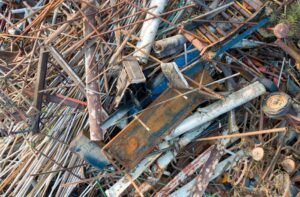
Ferrous metals contain iron, making them magnetic and susceptible to rust. They are typically heavier and are the most commonly recycled metals by volume. Common grades include:
- Heavy Melting Steel (HMS): Often divided into HMS 1 and HMS 2, this includes thick, structural steel like girders, beams, and heavy machinery parts.
- Cast Iron: Recognisable by its granular, dark grey broken surface, it’s used in engine blocks, pipes, and old bathtubs.
- Shredded Scrap: Processed through a giant shredder, this homogenous mix of light iron and steel (e.g., from cars and whitegoods) is ideal for electric arc furnaces.
- Light Iron/Steel: Thin gauge metals like roofing sheets, whitegoods (refrigerators, washing machines), and non-pressurized drums.
Non-Ferrous Metals
Non-ferrous metals do not contain iron, are not magnetic, and are generally more resistant to corrosion. They command higher prices per kilogram due to their properties and wide application. Key categories include:
- Copper: #1 Copper (clean, uncoated wire and tubing), #2 Copper (solder-covered or painted), and Light Copper (thin gauge sheet).
- Aluminium:
- Stainless Steel: A non-rusting alloy; grades are separated based on their nickel content (e.g., 304 vs 316).
- Brass: An alloy of copper and zinc, commonly found in plumbing fixtures, valves, and ammunition casings.
- Lead: Dense and soft, typically from batteries, roofing materials, and weights.
- High-Temp Alloys: Specialised and valuable metals like Inconel and Titanium, often found in aerospace and chemical processing components.
Extrusions (window frames), cast (engine parts), sheet (gutters, siding), and clean foils.
For a detailed breakdown of what you might have and its potential value, visiting a reputable Metal Scrap Yard Near Me is the best course of action. Their expert staff can accurately identify and grade your materials.
The Scrap Metal Recycling Process: From Waste to Resource
The journey of a piece of scrap metal is a fascinating and highly efficient industrial process. A scrap yard Leppington acts as the crucial first link in this chain, facilitating the collection and initial processing that feeds the global manufacturing sector.
1. Collection and Weigh-In
The process begins when individuals or businesses bring their scrap to a recycling depot. Whether you’re a walk-in customer with a car boot full of old cables or a commercial client with a truckload of demolition site waste, your load will be weighed on a certified industrial scale upon entry. This initial weight is critical for transparent transactions, whether you’re looking to buy and sell.
2. Sorting and Grading
Once on site, the materials are sorted. This is a meticulous process where trained professionals separate metals by type and grade. Magnets are used to quickly distinguish ferrous from non-ferrous metals. Further manual sorting ensures copper is separated from aluminium, clean metal is separated from contaminated, and different alloys are kept apart. This step is vital for maximizing the value of the scrap and ensuring the quality of the recycled product.
3. Processing and Preparation
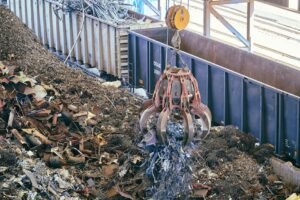
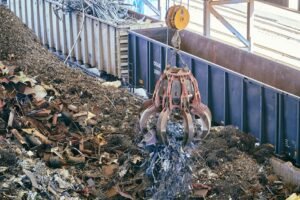
To make transportation and melting more efficient, scrap yards process large items. This involves shearing (cutting large beams), baling (compressing light metals into dense cubes), and shredding (using powerful hammer mills to tear apart cars and appliances into fist-sized pieces). Non-ferrous metals are often granulated or chopped into small, uniform pieces.
4. Melting and Purification
Processed scrap is then transported to mills and smelters. Here, it is melted in enormous furnaces. Each type of metal has a dedicated furnace operating at a specific temperature. During melting, samples are taken and the chemistry is adjusted to achieve the exact alloy specification required. Impurities are removed as slag, which can itself be used in other industries like road construction.
5. Solidification and Manufacturing
The molten metal is poured into moulds to form ingots, billets, or slabs. These raw forms are then sold to manufacturers who roll, draw, or forge them into new products. The recycled metal is now indistinguishable from virgin metal and is ready to begin its new life, perhaps as a car part, a building beam, or a new aluminium can.
The Significant Environmental Benefits of Scrap Metal Recycling
Choosing to recycle metal at a scrap yard Leppington is one of the most effective individual actions you can take for the environment. The benefits are extensive and impact everything from energy conservation to habitat preservation.
Massive Energy Savings
Recycling metal uses significantly less energy than producing new metal from virgin ore. The energy savings are staggering: recycling aluminium saves up to 95% of the energy required for primary production, while recycling steel and copper saves about 60-85%. This reduction in energy demand directly translates to lower greenhouse gas emissions and a smaller carbon footprint for manufactured goods.
Conservation of Natural Resources
Metal ores are finite resources extracted from the earth through mining, a process that causes extensive land degradation, deforestation, and soil erosion. By providing an alternative source of raw material, recycling drastically reduces the need for mining. For example, recycling one tonne of steel conserves 1,100 kilograms of iron ore, 630 kilograms of coal, and 55 kilograms of limestone.
Reduction in Landfill Waste
Metal is permanent; it does not decompose in a landfill. Diverting scrap metal from the waste stream saves invaluable landfill space and prevents potential soil and water contamination from metals and other substances attached to them (like oils or refrigerants from old appliances). Proper handling at a Crg Scrap Yard ensures all hazardous components are dealt with responsibly.
Lower Air and Water Pollution
Compared to the primary metal production process, recycling creates far less air pollution (by reducing sulphur dioxide and other emissions) and water pollution. It is a cleaner, more sustainable production method that aligns with circular economy principles, keeping materials in use for as long as possible.
Practical Tips for Preparing Your Scrap in Leppington
To ensure you get the best price for your scrap and make the process smooth for yourself and the recycling depot, a little preparation goes a long way.
- Sort Your Metals: The most important step. Separate ferrous from non-ferrous using a magnet. Then, try to separate different non-ferrous metals (copper, aluminium, brass) into different containers. Clean, separated metal is always worth more.
- Clean Your Scrap: Remove any non-metal attachments. Take plastic off wires, rubber hoses off copper radiators, and steel bolts from aluminium castings. The purer the metal, the higher the grade and price.
- Know What You Have: Do a quick online search or call ahead to understand the different grades. This helps you have a realistic expectation of the value of your load.
- Choose the Right Yard: Work with a reputable and transparent Zores Scrap Yard Your Trusted Destination For Scrap Metal that has certified scales, offers fair pricing, and follows all environmental and safety regulations.
- Transport Safely: Ensure your load is secured properly for transport to avoid accidents. Many yards also offer pick-up services for large quantities.
Why Choose a Local Leppington Scrap Yard?
While there are many options, using a local scrap yard like those in Leppington or neighbouring areas such as a scrap yard ingleburn offers distinct advantages. It supports the local economy and creates jobs within the community. It drastically reduces the carbon emissions associated with transporting heavy materials over long distances. It also fosters a sense of local responsibility, allowing you to see firsthand how your waste is transformed into a valuable commodity. Building a relationship with a local yard can lead to better service, trusted advice, and a more efficient process for repeat business.
The Economic Impact of Scrap Recycling
The scrap recycling industry is not just an environmental endeavour; it is a major economic engine. It contributes billions of dollars to the Australian economy annually and employs tens of thousands of people in various roles, from logistics and sorting to engineering and metallurgy. It provides a critical, low-cost source of raw materials for foundries and mills, making Australian manufacturing more competitive on a global scale. For individuals and businesses, it turns trash into cash, providing a financial incentive for sustainable behaviour. Platforms like Scrap Trade are instrumental in connecting buyers and sellers, streamlining this vibrant economic activity.
Conclusion: Your Role in the Circular Economy
Visiting a scrap yard is far more than just a transaction; it’s an active participation in the global circular economy. By understanding the grades of scrap, the intricate recycling process, and the monumental environmental benefits, you are empowered to make a significant positive impact. The journey from an old, unused item to a brand-new product begins at your local scrap yard Leppington. Whether you are a contractor, a business owner, or a homeowner, your decision to recycle metal conserves natural resources, saves energy, reduces pollution, and contributes to a sustainable economic model. It’s a clear win for your wallet and for the planet. For all your recycling needs, remember that Scrap.Trade is your partner in navigating this valuable process.
Frequently Asked Questions
What types of scrap metal does a scrap yard in Leppington accept?
A Leppington scrap yard typically accepts a wide range of both ferrous and non-ferrous metals. This includes common items like steel beams, copper wiring, aluminium extrusions, brass fittings, stainless steel appliances, and lead batteries. It’s always best to call ahead for specific items, especially those that may contain hazardous materials.
How do I get the best price for my scrap metal?
To maximise your return, always sort your metals by type (use a magnet to separate ferrous from non-ferrous) and clean them by removing any attachments like plastic, rubber, or other metals. Clean, well-sorted scrap is classified as a higher grade and commands a significantly better price per kilogram at the recycling depot.
Are there any items a scrap yard will not take?
Yes, most scrap yards have strict policies against accepting certain items for safety and environmental reasons. This typically includes whole, un-drained air conditioning units or refrigerators (due to refrigerants), gas bottles or cylinders, items containing asbestos, and hazardous waste like paint cans or chemicals. Always confirm with the yard before loading these items.
Do I need an appointment to drop off scrap metal in Leppington?
For small, walk-in loads from the public, an appointment is usually not necessary. However, for large commercial quantities or specialised materials, it is highly recommended to call the scrap yard ahead of your visit. This allows them to prepare for your arrival, ensure they have adequate space, and provide you with an estimated quote for your materials.