
When searching for a scrap yard near me, understanding the grades of scrap, recycling processes, and environmental benefits is essential. Whether you’re looking to buy and sell metal or support sustainability, Australia’s recycling infrastructure offers accessible solutions. This guide explores everything you need to know about local scrap yards, how recycling works, and practical steps to maximize value while reducing environmental impact.
Overview of Finding a Scrap Yard Near Me
Finding a scrap yard near me is the first step in responsibly managing metal waste. Australia’s recycling ecosystem includes numerous metal recyclers, recycling depots, and walk-in facilities that cater to both individuals and businesses. Platforms like Scrap Trade streamline the process of locating the closest dealer or nearby recycler in your area.
Grades of Scrap Metal and Their Value
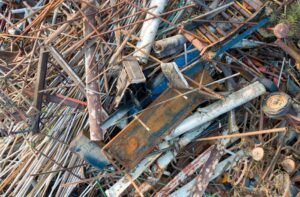
Scrap metal is categorized into grades based on material type, purity, and market demand. The two primary classifications are:
- Ferrous Metals: Contains iron, such as steel and iron. These are magnetic and generally less valuable than non-ferrous metals.
- Non-Ferrous Metals: Includes aluminum, copper, brass, and stainless steel. These are non-magnetic and command higher prices due to their versatility in manufacturing.
Within these categories, specialized grades exist. For example, copper wire and aluminum cans have distinct market values. Local scrap yards like Crg Scrap Yard provide transparent pricing based on metal type and weight. Sorting your materials before visiting a scrap yard near me ensures you receive the best rate for your metals.
How the Recycling Process Works
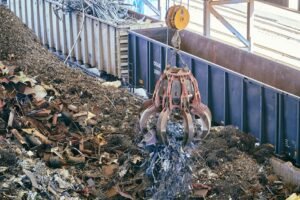
The metal recycling process involves several stages to transform discarded materials into reusable resources:
- Collection: Individuals or businesses drop off scrap at a recycling depot or arrange for pickup services.
- Sorting and Grading: Metals are separated by type and purity using magnets, sensors, and manual checks.
- Shredding and Melting: Scrap is processed into smaller pieces and melted down in furnaces to remove impurities.
- Reforming: The molten metal is cast into ingots or coils, ready for use in manufacturing new products.
This closed-loop system reduces the need for raw material extraction. By choosing a scrap yard near me, you contribute to sustainable practices that conserve energy and natural resources.
Environmental Benefits of Scrap Recycling
Recycling scrap metal significantly reduces environmental harm compared to producing new metal from ore. Key benefits include:
- Energy Savings: Recycling aluminum uses 95% less energy than producing it from bauxite.
- Reduced Emissions: Recycling cuts greenhouse gas emissions by up to 80% compared to traditional smelting.
- Landfill Diversion: Scrap recycling prevents hazardous materials from polluting landfills.
- Resource Conservation: It reduces the need for mining, preserving ecosystems and reducing water usage.
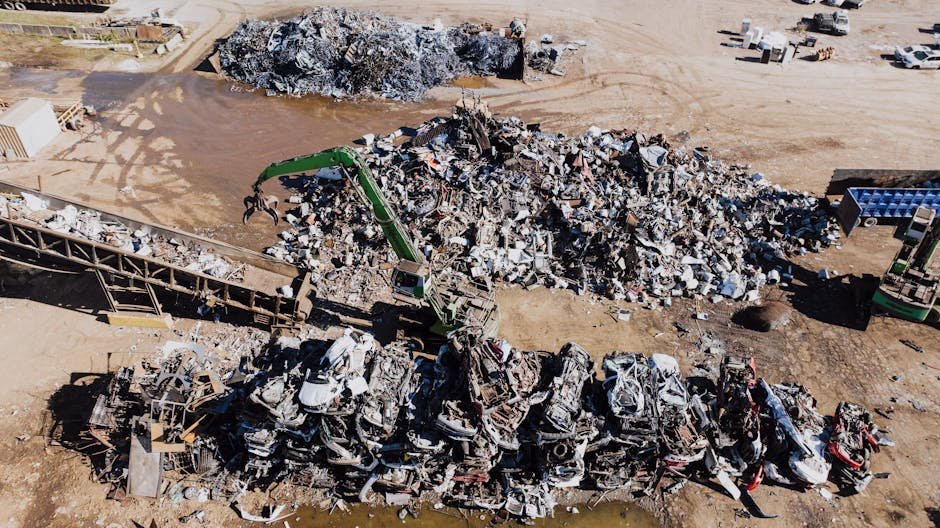
A nearby recycler can help you divert waste from landfills while supporting a circular economy. For example, scrap yard Campbelltown processes thousands of tons of metal annually, reducing Australia’s environmental footprint.
Practical Tips for Buying and Selling Scrap
Whether you’re a first-time seller or a regular at a local scrap yard, these tips optimize your experience:
- Research Current Prices: Check Scrap Trade Australia for real-time scrap metal rates.
- Sort Your Materials: Separating ferrous and non-ferrous metals increases your payout.
- Bring Documentation: Proof of ownership may be required for large quantities.
- Stay Safe: Wear gloves and eye protection when handling sharp or heavy scrap.
- Explore Bulk Discounts: Many recycling depots offer higher rates for bulk deliveries.
For convenience, use platforms like Scrap Trade to connect with certified scrap yards near me that offer competitive pricing.
Choosing the Right Recycling Depot for Your Needs
When selecting a recycling depot, consider factors like location, services, and reputation. A local scrap yard like Metal Scrap Yard Near Me offers walk-in access, transparent pricing, and eco-friendly practices. For businesses, partnering with a nearby recycler that accepts large volumes can streamline waste management and reduce costs.
Case Study: Scrap Yard in Campbelltown
The scrap yard Campbelltown exemplifies best practices in metal recycling. This facility processes 300+ tons of scrap monthly, employing advanced sorting technology to maximize efficiency. Its commitment to sustainability includes:
- Zero-waste-to-landfill operations
- Community education on scrap trading benefits
- Partnerships with scrap trading platforms to connect buyers and sellers
Visitors can walk-in and receive instant payouts, making it a model for local scrap yards across Australia.
Conclusion and Call to Action
By understanding scrap yard near me options, you can actively participate in Australia’s recycling economy. Whether you’re interested in buy and sell transactions, supporting environmental goals, or finding a metal recycler, the right resources are available. For a seamless experience, visit Scrap Trade to locate certified local scrap yards and discover the value of your materials today.
Frequently Asked Questions
What are the most valuable scrap metals to recycle?
Non-ferrous metals like copper, aluminum, and brass are the most valuable due to their high market demand. Ferrous metals, such as steel, are less valuable but still essential for recycling.
How do I find a reputable nearby recycler?
Use platforms like Scrap Trade to locate certified scrap yards near me with transparent pricing and positive customer reviews.
Can I sell scrap without a business license?
Yes, individuals can sell scrap at most recycling depots without a license. Some facilities may require proof of ownership for large quantities.
What are the environmental impacts of recycling scrap metal?
Recycling reduces energy consumption, cuts greenhouse gas emissions, and conserves natural resources by minimizing the need for mining and processing raw materials.