
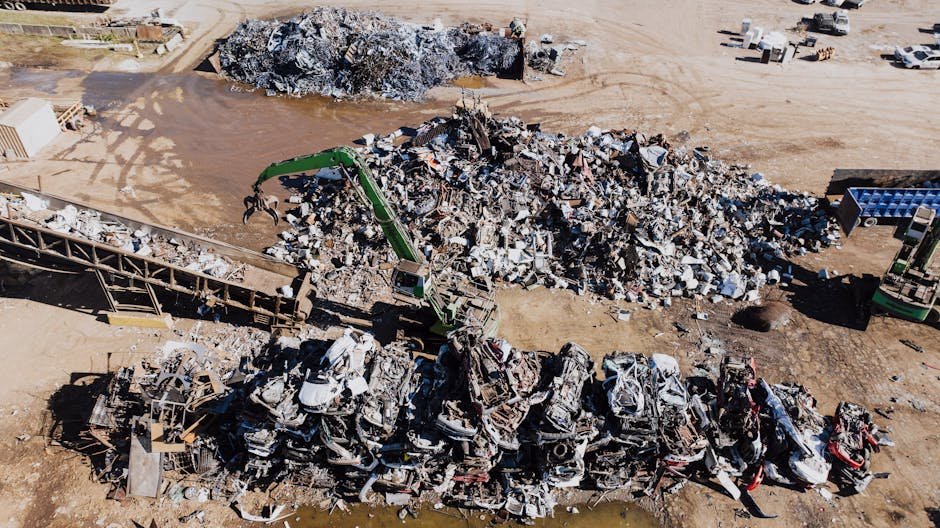

When searching for a reliable charlton scrap yard, it is essential to understand the complexities of the metal recycling industry. Whether you are a local tradesperson, a construction manager, or a household owner looking to declutter, choosing the right facility determines the value you receive and the environmental impact of your waste. Our platform serves as a premier B2b Scrap Trading Platform, connecting businesses and individuals with top-tier recycling solutions across Australia.
The Role of a Professional Charlton Scrap Yard
A modern charlton scrap yard acts as a vital link in the global supply chain. By recovering metals that would otherwise end up in landfills, these facilities conserve natural resources and reduce the energy-intensive process of mining raw ores. When you visit a facility like a Crg Scrap Yard, you are participating in a sophisticated logistics network designed to sort, process, and smelt metals back into usable raw materials. The efficiency of this process depends on advanced technology, including magnetic separators, eddy current separators, and high-capacity shredders. For those wondering about the best local options, searching for a Metal Scrap Yard Near Me is the first step toward responsible disposal.
Understanding Metal Grades and Classification
Not all scrap metal is created equal. To maximize the return on your materials, you must understand how a charlton scrap yard classifies items. Metals are generally divided into two main categories: ferrous and non-ferrous. Ferrous metals, such as iron and steel, contain carbon and are magnetic. These are often found in structural beams, old appliances, and automotive parts. Non-ferrous metals, including copper, aluminium, brass, and lead, do not contain iron and are generally more valuable due to their resistance to corrosion and high conductivity. Proper sorting at the source significantly increases the purity of the load, which in turn leads to better pricing. For deeper insights into regional standards, check out our guide on Scrap Yard Campbelltown: Grades, Recycling, and practices.
The Environmental Impact of Metal Recycling
Recycling metal is one of the most effective ways to reduce carbon emissions. Producing new aluminium from recycled stock uses approximately 95% less energy than producing it from bauxite ore. Similarly, recycling steel saves about 75% of the energy required for primary production. By utilizing a professional recycling facility, you are directly contributing to a reduction in greenhouse gas emissions and preserving the landscape from unnecessary mining operations. It is a fundamental pillar of sustainability. If you are new to this process, reading our Scrap Yard Near Me: A Comprehensive Guide to Recycling & will provide you with the necessary knowledge to handle your materials safely and efficiently. You can also explore our broader industry resources at Scrap Trade or visit Scraptrade.com.au for regional market updates.
The Recycling Process: From Collection to Commodity
The journey of scrap metal begins at the collection point. Once the material arrives at the yard, it undergoes a rigorous inspection. Operators use handheld X-ray fluorescence (XRF) analyzers to determine the precise chemical composition of alloys. This technology ensures that contaminants like plastic, rubber, or hazardous materials are removed. Following inspection, the metal is shredded into smaller pieces to facilitate easier separation. Powerful magnets pull out the ferrous metals, while non-ferrous metals are separated using sophisticated sensors. Finally, the cleaned scrap is baled or compacted, making it ready for transport to smelters. This systematic approach ensures that the final product meets the stringent quality requirements of manufacturers worldwide.
Why Sorting Your Scrap Matters
Many individuals underestimate the importance of manual sorting before arrival at the yard. When you bring mixed scrap, the yard must dedicate time and labor to separate the materials, which may result in a lower payout for the seller. By taking the time to separate your copper piping from your steel beams, or your aluminium cans from your lead batteries, you ensure that you are paid for the highest grade present in your load. This practice also helps the facility maintain a safer and more organized workspace. Always remember that clean, sorted scrap is the gold standard of the recycling industry.
Economic Benefits for Businesses and Individuals
Beyond the environmental perks, recycling provides a tangible economic incentive. Scrap metal is a globally traded commodity, and prices fluctuate based on supply and demand. By maintaining a relationship with a trusted yard, you can stay informed about market trends and time your sales to maximize profit. For businesses, implementing a scrap management program can turn a waste management cost into a revenue stream. Whether you are clearing out a warehouse or managing a demolition site, the financial returns on high-value metals like copper and stainless steel can be substantial. Consistent recycling also helps your business meet ESG (Environmental, Social, and Governance) targets, which is increasingly important in today’s corporate landscape.
Safety and Compliance Standards
Operating a scrap yard requires strict adherence to safety and environmental regulations. These facilities must manage potential hazards such as oil leaks, battery acid, and sharp debris. Professional yards invest heavily in environmental protection measures, including storm-water filtration systems and soil protection liners, to ensure that the recycling process does not harm the local ecosystem. When you choose a reputable yard, you are supporting a business that prioritizes the health of the community and the safety of its workers. Always look for certifications and clear signage that indicate a yard operates in compliance with state and federal environmental protection laws.
Future Trends in Metal Recycling
The industry is currently undergoing a digital transformation. From the integration of AI-driven sorting robotics to blockchain-based tracking of metal purity, the future of scrap trading is becoming more transparent and efficient. As global demand for recycled materials increases, the technology used in yards will only become more advanced. We are moving toward a circular economy where every gram of metal is tracked and reused, minimizing the need for virgin mining. By staying engaged with industry leaders and utilizing digital platforms, you can stay ahead of these trends and ensure that your recycling efforts remain as effective as possible for years to come. The transition to a greener future is built on the foundation of responsible metal recovery, and every participant plays a critical role in this global shift.
Frequently Asked Questions
What items are commonly accepted at a scrap yard?
Most scrap yards accept a wide range of ferrous and non-ferrous metals, including copper wiring, aluminium cans, steel beams, brass fixtures, and lead-acid batteries. Always check with your local facility regarding specific hazardous material restrictions.
How can I get the best price for my scrap metal?
The best way to get a higher price is to sort your metals by type and grade before arriving at the yard. Removing non-metallic attachments like plastic, wood, or glass also ensures your load is classified as high-quality, which commands better rates.
Is it necessary to have an appointment to drop off scrap?
While many yards accept walk-ins, it is often beneficial to call ahead, especially for large industrial quantities. This allows the yard to prepare the necessary equipment and staff to assist with unloading.
Why is it important to recycle metal instead of throwing it in the trash?
Recycling metal saves significant amounts of energy compared to mining and refining virgin ore, reduces landfill waste, and helps lower greenhouse gas emissions. It is a critical component of a sustainable, circular economy.