
When searching for reliable scrap yards Eastbrook, it is crucial to understand that the facility you choose acts as a vital link in the Australian circular economy. Whether you are a tradesperson, a construction contractor, or a household resident, choosing a professional metal recycler ensures that your waste materials are handled according to strict environmental standards. As the industry evolves, staying informed about Local Scrap Yards In 2026 is essential for anyone looking to maximize the value of their scrap metal.
Understanding the Scrap Metal Lifecycle
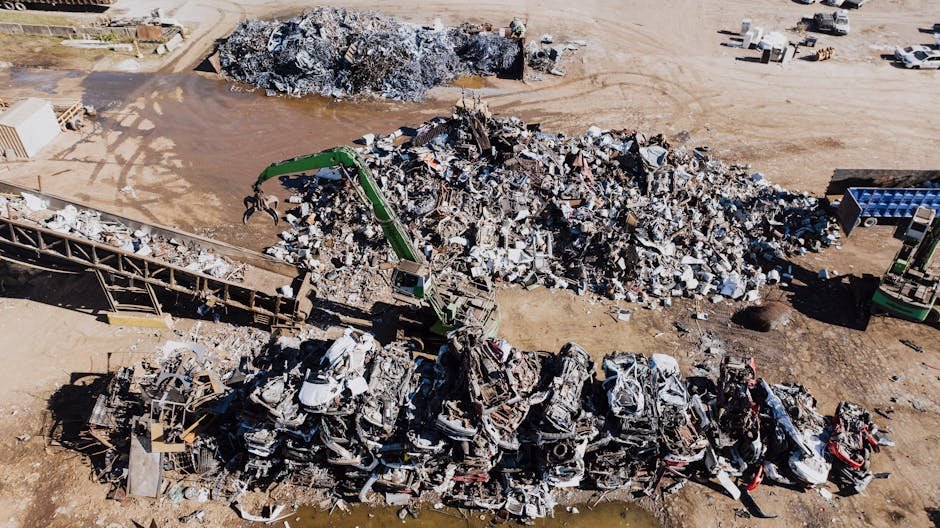
The journey of a piece of scrap metal begins long before it reaches a recycling depot. It starts with the identification of materials, followed by collection, sorting, and eventually, the transformation into raw industrial feedstock. To understand What Scrap Trade Actually Is, one must look at the global demand for recycled metals. Australia plays a significant role here, with many Scrap Yards acting as collection hubs that feed into larger processing plants. When you visit a facility, you are participating in a sophisticated supply chain that reduces the need for virgin ore extraction.
For those located in the Eastbrook region, utilizing local scrap eastbrook facilities allows for faster turnaround times and reduced transport emissions. The process generally follows a standard procedure: weighing, grading, and payment. Most modern yards offer a walk-in service, making it convenient for small-scale sellers to drop off their copper, aluminum, or steel. By choosing to recycle your metal through established channels, you ensure that hazardous materials are safely removed and valuable resources are recovered.
Categorizing Scrap: Ferrous vs. Non-Ferrous Grades
To get the best price at any of the scrap yards Eastbrook, you must understand how metals are graded. The industry splits all metals into two primary categories: ferrous and non-ferrous. Ferrous metals, such as steel and iron, are magnetic and are primarily used in construction and automotive manufacturing. Because these materials are abundant, they are typically bought in bulk by weight. If you are handling large demolition projects, you might also look at scrap yards sydney for larger-scale processing capabilities.
Non-ferrous metals are where the real value lies. These include copper, brass, aluminum, lead, and stainless steel. These metals do not contain iron, meaning they do not rust and are highly resistant to corrosion. Because they retain their properties indefinitely during the recycling process, they are highly sought after. For instance, copper wiring or plumbing pipes are premium items. When you bring these to a recycling depot, the staff will test the purity of the metal to determine the grade. Higher purity means a higher payout. It is always a good idea to sort your materials before you arrive to ensure you are getting the most accurate grading for your load.
The Environmental Impact of Metal Recycling
The environmental case for recycling metal is overwhelming. When we recycle aluminum, for example, we use approximately 95% less energy than is required to produce new aluminum from bauxite ore. This massive energy saving translates directly into a reduction in greenhouse gas emissions. By supporting scrap yards Eastbrook, you are contributing to a lower carbon footprint for the Australian construction and manufacturing sectors. This is the core mission of professional scrap metal services across the country.
Beyond energy savings, recycling metal preserves natural landscapes. Mining operations are invasive and often lead to habitat destruction and water contamination. By keeping scrap metal in the loop, we reduce the demand for new mining operations. Furthermore, modern metal recycler facilities have advanced filtration systems to ensure that oils, fluids, and other contaminants found on scrap are disposed of responsibly. This prevents toxic runoff from entering the local ecosystem, a standard that separates top-tier recycling centers from illegal dumping grounds.
How to Prepare Your Scrap for Maximum Value
If you intend to buy and sell scrap metal, preparation is key. Many people lose money because they mix different grades of metal together. A walk-in client who brings a clean, sorted load of copper will always receive a better rate than someone who brings a mixed bin of steel and copper. First, use a magnet to separate ferrous from non-ferrous metals. If it sticks, it is ferrous. If it does not, it is likely non-ferrous and potentially more valuable.
Second, clean your scrap. Remove plastic insulation from wires, take off non-metal attachments like rubber or wood, and wash off excessive dirt or grease. While some yards have the equipment to process dirty scrap, they will deduct the weight of the contaminants from your payout. Third, keep records of your scrap. For businesses, maintaining an inventory of metal waste can help in tracking your company’s sustainability metrics. Finally, always check the current market prices before heading out. Metal prices fluctuate based on global demand, similar to the stock market.
The Future of Scrap Yards in Australia
As we look toward the next decade, the industry is undergoing a digital transformation. We are seeing the rise of smart scales, automated sorting technology, and better data tracking for every transaction. The definition of scrap yards Eastbrook is expanding to include more sophisticated processing capabilities, such as advanced shredding and high-density baling. These innovations allow facilities to process more material in less time, increasing the efficiency of the entire recycling chain.
Furthermore, government regulations are becoming more stringent regarding waste management. This is a positive development, as it forces the entire industry to adopt higher standards of safety and environmental compliance. When you choose a reputable recycler, you are supporting a business that invests in these technologies. This commitment to innovation is what makes the Australian scrap industry a global leader in resource recovery. Whether you are a professional contractor or a hobbyist, the future of the trade is bright, transparent, and highly beneficial for the planet.
Safety Protocols and Best Practices
Working with scrap metal is inherently dangerous. Sharp edges, heavy loads, and hazardous materials are common. When visiting a recycling depot, always wear appropriate personal protective equipment (PPE). This includes sturdy boots, thick gloves, and high-visibility clothing. If you are transporting large quantities of metal, ensure your vehicle is properly loaded and secured to prevent accidents on the road.
Additionally, be aware of what you are bringing to the yard. Some items, such as sealed containers, pressurized tanks, or radioactive materials, are strictly prohibited. Always call ahead if you are unsure about a specific item. The staff at scrap yards Eastbrook are experts in their field and can provide guidance on whether an item is safe to recycle. By following these safety protocols, you protect yourself, the workers at the facility, and the environment, ensuring that the recycling process remains a safe and productive activity for everyone involved.
Building a Sustainable Partnership
For businesses that generate regular scrap metal waste, building a long-term relationship with a metal recycler is highly advantageous. A consistent partner can provide specialized bins, scheduled pickups, and preferred pricing structures. This is particularly relevant for construction firms, demolition companies, and manufacturing plants. By integrating scrap management into your business operations, you can turn a waste management cost into a revenue stream.
Furthermore, a trusted partner will provide you with accurate reporting on the materials you have recycled. This data is invaluable for corporate social responsibility (CSR) reporting and environmental audits. As the world moves toward a more circular economy, being able to prove that your waste is being recycled responsibly will become a competitive advantage. Start by identifying a local yard that offers the services you need and discuss your volume requirements with them. A proactive approach to metal recycling is not just good for the planet; it is good for your bottom line.
Conclusion: Your Role in the Circular Economy
The importance of scrap yards Eastbrook cannot be overstated. They are the frontline soldiers in the fight against resource depletion. Every kilogram of metal that is recycled is a victory for sustainability, reducing the need for destructive mining and saving vast amounts of energy. By understanding the grades of scrap, preparing your materials correctly, and choosing to work with reputable professionals, you are making a tangible contribution to a greener future.
Whether you are clearing out a shed, managing a large-scale construction site, or simply looking to learn more about the industry, the information provided here serves as your roadmap. Remember that the scrap trade is a global industry with local roots. Your participation, no matter how small, helps keep the cycle moving. For further reading on the industry, continue to explore our resources on the latest trends and technical specifications of metal recycling in Australia.
Frequently Asked Questions
What items are commonly accepted at scrap yards in Eastbrook?
Most yards accept ferrous metals like steel and iron, and non-ferrous metals such as copper, aluminum, brass, and lead. Always call ahead to confirm if they accept specific items like car batteries or catalytic converters.
How can I get the best price for my scrap metal?
To get the best price, sort your metals by type and remove any non-metal contaminants like plastic, wood, or dirt. Clean, high-purity loads are always valued higher than mixed or dirty scrap.
Do I need an appointment to visit a scrap yard?
Most facilities offer walk-in services for small to medium loads. However, if you have a large commercial quantity or require a bin service, it is best to contact the yard beforehand to arrange logistics.
Is it safe to recycle all types of scrap metal?
While most metal is recyclable, items like pressurized gas cylinders, sealed containers, or materials containing hazardous chemicals require special handling. Always check with the facility to ensure your items comply with safety regulations.