
Scrape scrap is a vital process in Australia’s recycling ecosystem, transforming discarded materials into valuable resources. From industrial waste to household scrap, recycling helps conserve natural resources, reduce landfill burden, and lower carbon emissions. This guide explores grades of scrap metal, the recycling workflow, and the environmental and economic benefits of scrape scrap practices in Australia.
Understanding Scrap Metal Grades
Scrap metal is categorized into grades based on composition, purity, and end-use requirements. The primary classifications include:
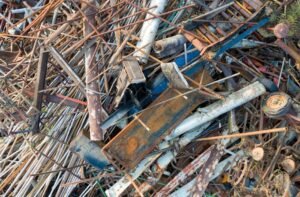
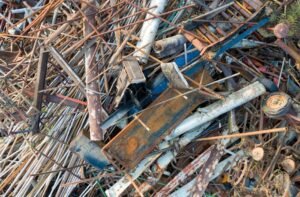
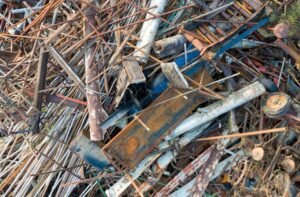
- Ferrous Scrap: Contains iron or steel, such as car bodies, construction debris, and appliances. It’s magnetic and often used in steel production.
- Non-Ferrous Scrap: Includes aluminum, copper, brass, and other non-magnetic metals. These are valuable for their conductivity and resistance to corrosion.
- Heavy Scrap: Large industrial materials like machinery, rail tracks, and ship components.
- Light Scrap: Smaller items such as cans, wires, and household appliances.
Accurate grading ensures efficient recycling. For example, What Is Scrap Trade explains how proper classification impacts market value and processing methods.
How Scrape Scrap Recycling Works
The scrape scrap process involves several stages:
- Collection: Scrap is gathered from industrial sites, households, or demolition projects.
- Sorting: Materials are separated by type using magnets, sensors, or manual labor.
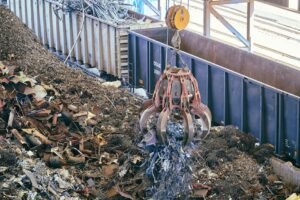
- Shredding/Processing: Large items are broken down into smaller pieces for easier melting.
- Refining: Metals are melted and purified to remove contaminants before being cast into new products.
Platforms like Scrap Trade streamline this workflow by connecting collectors, processors, and buyers nationwide.
Environmental Benefits of Scrape Scrap
Recycling scrap metal significantly reduces environmental harm:
- Energy Savings: Producing aluminum from recycled scrap uses 95% less energy than from raw bauxite.
- Landfill Reduction: Recycling one ton of steel saves 2,500 pounds of iron ore and 60 pounds of coal.
- Carbon Emissions: Steel recycling cuts CO₂ emissions by 58% compared to traditional methods.
According to Scrap Trade Australia, the industry avoids 30 million tons of CO₂ annually by repurposing scrap materials.
Practical Tips for Scrap Recycling
Maximize your scrape scrap efficiency with these strategies:
- Separate Materials: Sort ferrous and non-ferrous metals to increase their market value.
- Use Local Services: Platforms like Sell Scrap help you find nearby buyers offering competitive rates.
- Prepare Scrap: Remove non-metal components (e.g., plastic, glass) to avoid contamination.
- Track Market Trends: Prices for scrap grades fluctuate based on global demand; monitor Scrap price guides for optimal sales timing.
Economic Impact of the Scrap Industry
The scrape scrap sector contributes billions to Australia’s economy. It employs thousands in recycling, logistics, and manufacturing. By selling scrap through platforms like scrap.com, individuals and businesses can generate income while supporting sustainable practices.
Challenges in Scrap Recycling
Despite its benefits, the industry faces hurdles such as contamination, transportation costs, and fluctuating metal prices. Innovations in sorting technology and government incentives are critical for overcoming these challenges.
Conclusion
Scrape scrap recycling is essential for Australia’s sustainability goals. By understanding grades, mastering the recycling process, and leveraging platforms like scrap australia, you can contribute to a circular economy while earning value from waste.
Related: scrap.com
Related: scrap australia
Frequently Asked Questions
What are the main grades of scrap metal?
Scrap metal is divided into ferrous (iron/steel), non-ferrous (aluminum, copper), heavy (industrial machinery), and light (household items) grades. Each type has unique properties and recycling processes.
How does scrap recycling reduce environmental impact?
Recycling scrap cuts energy use, reduces landfill waste, and lowers carbon emissions. For example, aluminum recycling saves 95% of the energy needed to produce new metal from bauxite.
What tools or platforms help with selling scrap in Australia?
Platforms like Scrap Trade connect sellers with buyers, providing real-time pricing and logistics support to simplify the Sell Scrap process.
Why is sorting scrap metal important?
Proper sorting ensures high-quality recycled materials and maximizes market value. Contaminants like plastic or mixed metals can reduce the usability of scrap in manufacturing.