
Scrape shops play a vital role in Australia’s circular economy by transforming discarded metal into reusable resources. Whether you’re a machine shop owner dealing with steel turnings chips or an individual looking to responsibly dispose of old appliances, understanding scrape shop operations, metal grades, and environmental benefits is essential. This guide covers everything you need to know.
Grades of Scrap Metal: What Scrape Shops Handle
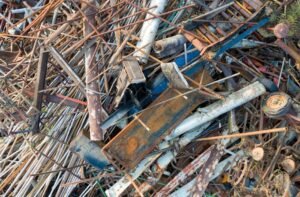
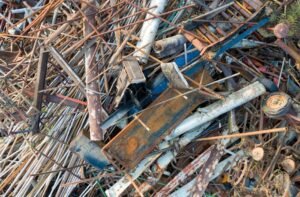
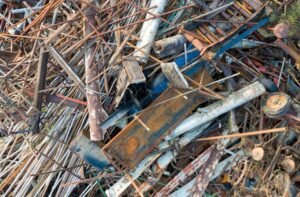
Scrape shops specialize in processing two main categories of scrap metal: ferrous and non-ferrous. Ferrous metals, like steel and iron, contain iron and are magnetic. Non-ferrous metals—such as aluminium, copper, brass, and stainless steel—are corrosion-resistant and non-magnetic. Each grade has distinct recycling values and uses:
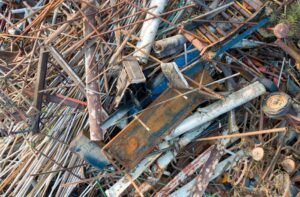
- Ferrous Scrap: Common in construction (rebar, pipes), machinery, and vehicles. Lower market value but high demand.
- Non-Ferrous Scrap: Found in electronics, plumbing, and wiring. Higher value due to conductivity and durability.
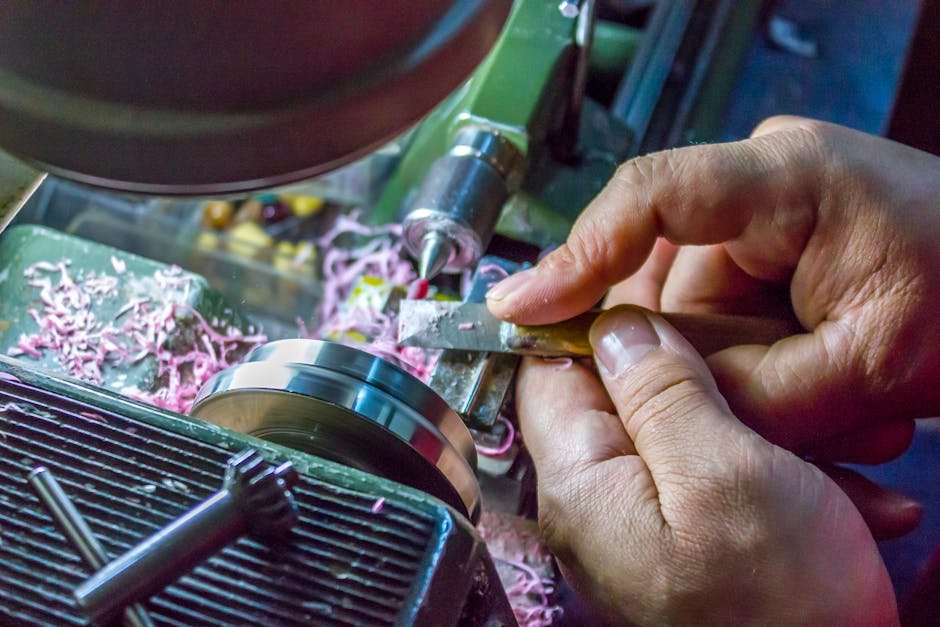
Specialized grades like machine shop waste (steel turnings, swarf) require industrial processing. Scrape shops sort these materials for refining or resale to foundries.
How Scrap Recycling Works: From Collection to Reuse
Recycling scrap metal involves five key steps:
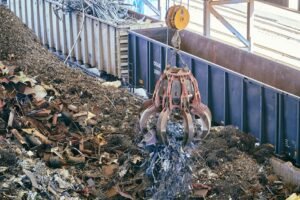
- Collection: Individuals, businesses, and contractors deliver scrap to scrape shops. Large operations may use scrap shop services for bulk pickups.
- Sorting: Metals are separated by type using magnets, X-ray scanners, and manual inspection.
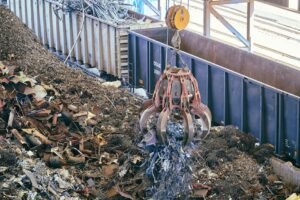
- Processing: Shredding, cutting, or compacting scrap into uniform shapes for efficient transport.
- Refining: Molten metal is purified and cast into ingots for manufacturers.
- Reutilization: Recycled metal becomes raw material for new products, reducing the need for mining.
Scrape shops often partner with industrial buyers to ensure materials meet manufacturing standards.
Environmental Benefits of Scrap Recycling
Recycling metals through scrape shops offers significant ecological advantages:
- Resource Conservation: Recycling 1 ton of steel saves 2,500 lbs of iron ore and 1,400 lbs of coal.
- Energy Efficiency: Producing aluminium from scrap uses 95% less energy than primary production.
- Emissions Reduction: Recycling cuts CO2 emissions by 58% for steel and 90% for iron.
By diverting waste from landfills, scrape shops also reduce soil and water contamination. The Australian Industrial Innovation Award 2025 highlights pioneering efforts in sustainable recycling technologies.
Choosing the Right Scrape Shop: Key Factors
To maximize value and ensure ethical practices, consider these tips when selecting a scrape shop:
- Reputation: Read reviews and verify certifications (e.g., ISO 14001 for environmental standards).
- Pricing Transparency: Ask for current rates per metal grade. Reputable shops publish rates online.
- Convenience: Use the scrap shop near me tool to locate certified partners.
- Additional Services: Some shops offer free scrape scrap collection or trade-ins for electronics.
Always compare 2-3 shops to ensure competitive pricing and reliable service.
Practical Tips for Selling Scrap Metal
Maximize your returns by following these strategies:
- Clean Your Scrap: Remove non-metal components (plastic, glass) to avoid downgrading the material.
- Sort by Grade: Separate ferrous and non-ferrous metals to simplify the buyer’s process.
- Track Market Trends: Prices fluctuate with global demand. Sell during high-value periods.
- Documentation: Retain receipts for tax deductions, especially for business-related scrap.
For industrial waste like steel turnings, confirm the shop has industrial-grade processing equipment.
Innovation in Scrape Shop Operations
Australian scrape shops are adopting cutting-edge technologies to improve efficiency:
- AI Sorting Systems: Automated scanners identify metal grades faster and more accurately than manual methods.
- Blockchain Tracking: Transparently trace scrap origins to ensure ethical sourcing and compliance.
- Hybrid Shredders: Reduce energy use by 30% while processing complex materials.
Recognitions like the 2025 Industrial Innovation Award underscore the industry’s commitment to sustainability.
Why Use a Professional Scrape Shop?
Professional scrape shops offer advantages over informal recyclers:
- Legal Compliance: Ensure adherence to Australian environmental regulations (e.g., NDRFA).
- Higher Payouts: Direct sales to refineries yield better rates than reselling to intermediaries.
- Community Impact: Support local job creation and infrastructure through responsible recycling.
By partnering with certified scrape shops, you contribute to Australia’s goal of a 60% recycling rate by 2030.
Conclusion: Embrace Sustainable Scrap Practices
Scrape shops transform waste into valuable resources while protecting the environment. Whether you’re managing industrial steel turnings or household scrap, understanding grades, recycling processes, and ethical practices ensures maximum value and sustainability. Start by finding a certified scrap shop near you and join the circular economy movement.
Frequently Asked Questions
What are the main grades of scrap metal handled by scrape shops?
Scrape shops process ferrous metals (e.g., steel, iron) and non-ferrous metals (e.g., copper, aluminium). Ferrous metals are magnetic and lower-value, while non-ferrous metals are non-magnetic and higher-value due to their conductivity and durability.
How does scrap metal recycling benefit the environment?
Recycling reduces the need for mining raw materials, conserves energy (e.g., 95% less for aluminium), and cuts CO2 emissions by up to 90% compared to producing new metal from ore.
How can I find a reputable scrape shop near me?
Use online tools like scrap shop locators, check certifications, read reviews, and compare pricing transparency among 2-3 shops.
What should I avoid when selling scrap metal?
Avoid mixing non-metal contaminants, failing to sort grades, and selling to unlicensed buyers. Clean materials and research current market rates to maximize returns.