
Scrape trading forms the backbone of Australia’s AU$2.1 billion metal recycling industry, connecting suppliers of end-of-life metals with processors who transform waste into valuable raw materials. This comprehensive guide explores scrap classification systems, recycling technologies, and quantifiable environmental advantages that make scrape trading a critical component of the circular economy. Understanding these dynamics helps businesses maximise returns while supporting sustainability goals.
What is Scrape Trading?
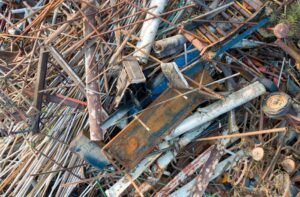
Scrape trading is the commercial exchange of discarded metal materials between generators (construction, manufacturing, demolition), collectors, and recycling facilities. Unlike general waste management, scrape trading requires rigorous material classification by metal type, purity, and contamination levels. Australia processes approximately 6.7 million tonnes of scrap metal annually, with ferrous metals like steel comprising 78% of total volume. The industry operates through specialised brokers, digital platforms like our leading scrap trading platform, and direct mill contracts.
Decoding Scrap Metal Grades
Accurate grading determines scrap value and recyclability. The Australian Scrap Metal Recycling Industry Code categorises metals into:
- Ferrous Grades: Magnetic iron-based metals. #1 Heavy Melt (clean steel >6mm) commands premium pricing, while #2 HMS (mixed steel) tolerates minor coatings.
- Non-Ferrous Grades: Higher-value non-magnetic metals. Clean copper wire (Bare Bright) achieves 95%+ of spot market value versus contaminated (Electric Motor) grades at 60-70%.
- Specialty Alloys: Aerospace titanium (6AL-4V) and nickel superalloys require exact identification through XRF analysis to prevent value loss through misclassification.
Understanding these distinctions prevents costly downgrades – a common pitfall for new entrants. Resources like the Australian scrap trading portal provide real-time grade specifications.
The Scrap Recycling Process
Scrap undergoes seven transformative stages:
- Collection: Materials sourced from scrape shop networks, industrial generators, and public drop-offs
- Sorting: Magnets separate ferrous metals; eddy currents eject aluminium; infrared sensors identify polymers
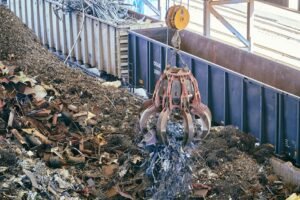
- Processing: Shredders reduce car bodies to 100mm fragments; shears cut structural steel
- Beneficiation: Float-sink tanks separate metals by density; electrolysis recovers precious metals
- Melting: Electric arc furnaces (1650°C) melt steel scrap into new billets using 70% less energy than virgin production
- Purification: Flux agents remove impurities; argon oxygen decarburisation adjusts alloy content
- Manufacturing: Recycled aluminium ingots recast into beverage cans within 60 days
Automated sensor-based sorting achieves 98% purity – critical for high-grade automotive and aerospace applications.
Environmental Benefits Quantified
Scrape trading delivers measurable ecological advantages:
- Energy Savings: Recycling aluminium uses 95% less energy than mining bauxite – saving 14,000kWh per tonne
- Emission Reductions: Steel recycling cuts CO₂ by 58% (1.5 tonnes per tonne recycled), while copper recycling achieves 65% reductions
- Resource Conservation: Every tonne of recycled steel conserves 1.4 tonnes of iron ore and 0.8 tonnes of coal
- Landfill Diversion: Australian scrap recycling diverts 11.2 million tonnes annually from landfills
The UN Environmental Programme confirms metal recycling reduces freshwater pollution by 76% compared to primary production. These benefits make scarp trading essential for national sustainability targets.
Economic Value and Market Dynamics
Scrape trading generates significant economic returns when managed strategically. Key considerations include:
- Pricing Factors: Global demand (especially Chinese infrastructure projects) drives 78% of ferrous pricing; automotive production influences aluminium
- ROI Optimization: Volume bundling increases per-tonne margins by 15-25%; proper material preparation prevents value deductions. Detailed analysis is available in Scrap Trading Roi Explained
- Marketplaces: Digital platforms like our B2b Scrap Trading Platform provide transparent pricing through daily index updates
Australian exporters generated AU$3.8 billion from scrap metal in 2022, demonstrating the sector’s export significance.
Practical Scrape Trading Guide
Maximise returns with these professional techniques:
- Seller Best Practices: Degrease machinery parts; remove rubber/plastic contaminants; separate metals by grade before delivery to prevent 10-30% downgrades
- Buyer Protocols: Implement spectrometer testing for alloy verification; audit supplier compliance with AS 5377 recycling standards
- Documentation: Maintain chain-of-custody records proving ethical sourcing for ESG reporting
- Volume Strategies: Consolidate loads to minimum 10-tonne lots for transport efficiency; negotiate freight-inclusive contracts
Businesses should evaluate whether a dedicated Scrap Trading Vs Recycling Business model aligns with their operational scale.
The Future of Scrape Trading
Innovations are transforming the industry:
- Blockchain: Pilot programs track scrap from origin to mill, ensuring responsible sourcing
- AI Sorting: Machine learning identifies copper content in mixed shred with 99.2% accuracy
- Circular Economy Models: Automotive OEMs now design vehicles with 95% recyclability targets
- Carbon Credits: Recycling facilities generate tradeable offsets worth AU$18-35 per tonne of processed scrap
Australia’s National Waste Policy aims for 80% resource recovery by 2030, requiring scrap trading volume growth of 4.2% annually.
Conclusion
Scrape trading remains indispensable for sustainable industrial development. By converting 47 million tonnes of global metal waste into high-quality feedstock annually, it reduces mining pressure while delivering economic returns. As technologies enhance sorting precision and circular supply chains mature, scrap’s role in manufacturing will expand. Businesses that master grade specifications, leverage digital marketplaces, and adopt efficient processing methods will lead this resource revolution.
Related: B2b Scrap Trading Platform
Related: Scrap Trading Vs Recycling Business
Related: Scrap Trading Roi Explained
Frequently Asked Questions
What’s the difference between ferrous and non-ferrous scrap?
Ferrous scrap contains iron and is magnetic (e.g., steel, cast iron), representing 78% of scrap volume. Non-ferrous scrap lacks iron, isn’t magnetic, and includes higher-value metals like copper, aluminium, and brass. Non-ferrous metals typically yield 3-8x higher prices per tonne due to energy savings in recycling.
How much can businesses earn from selling scrap metal?
Earnings depend on metal type, grade purity, and market conditions. As of 2023, Australian sellers earn AU$150-350/tonne for prepared steel scrap, AU$2,000-6,500/tonne for copper, and AU$1,200-2,000/tonne for aluminium. Industrial generators typically recover 0.5-4% of production costs through scrap sales.
Why is proper scrap grading critical for recycling?
Incorrect grading contaminates entire melt batches. For example, stainless steel mixed with carbon steel causes chromium corrosion in finished products. Proper sorting ensures maximum material recovery, maintains furnace efficiency, and meets mill specifications that require 98%+ purity for automotive/construction applications.
How does scrap trading reduce carbon emissions?
Recycling metals requires significantly less energy: producing steel from scrap uses 74% less energy than virgin production, cutting 1.5 tonnes of CO₂ per tonne. Aluminium recycling saves 95% of energy versus mining. Australia’s scrap recycling currently avoids 12.7 million tonnes of CO₂ annually – equivalent to removing 3.8 million cars from roads.