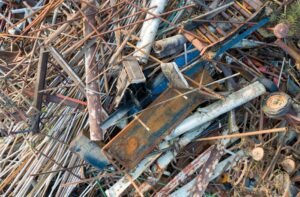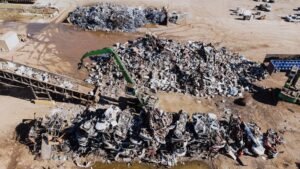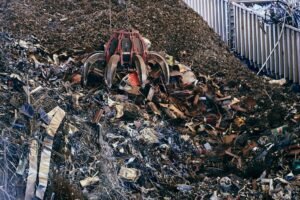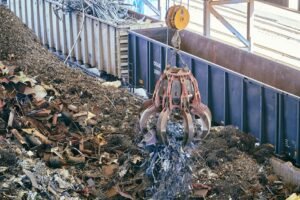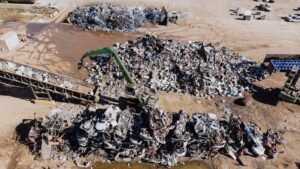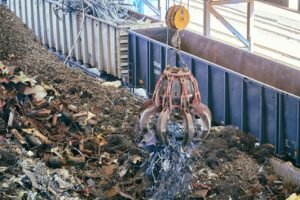

Across Australia, scraps from demolition sites, factory off-cuts and household bins feed a multi-billion-dollar secondary metals industry. Knowing how grades are classified, priced and processed is the difference between sending metal to landfill and turning it into new revenue streams.
Why grades matter
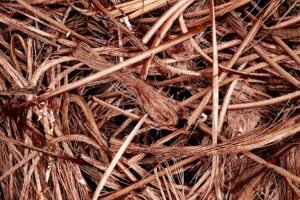
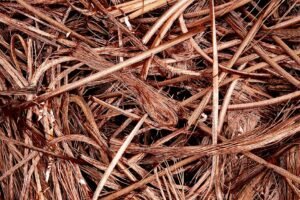
Metal merchants pay on specification, not weight alone. Clean copper wire (Grade 1) can fetch twice the price of burnt wire (Grade 2), while stainless steel 316 solids trade at a premium over 304 attachments. The scraps of metal page lists live spreads updated every Sydney trading day.
Understanding these spreads keeps traders competitive when selling to Australian processors or exporting through the グローバル廃金属取引プラットフォームが正式サ portal. Accurate grading also helps recyclers document greenhouse-gas reductions required under the Safeguard Mechanism.
Recycling process step-by-step
- Collection: bins, roll-on/roll-off skips and dedicated scrap trailers deliver material to licensed facilities.
- Sorting: handheld XRF guns separate copper, aluminium, brass and alloys in seconds.
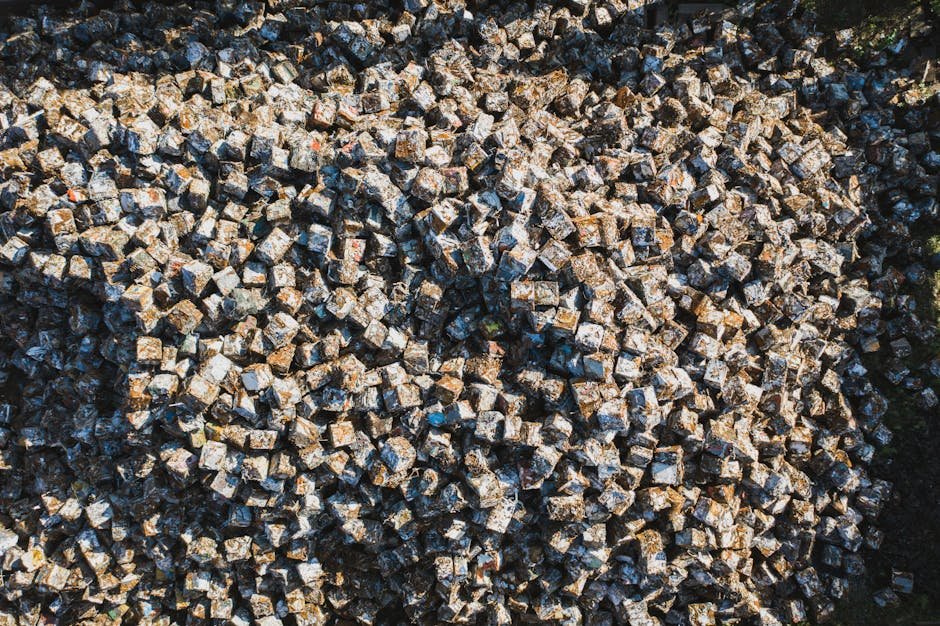
- Shredding: hammer mills liberate contaminants and create fist-size frag.
- Melting: electric arc or induction furnaces reach up to 1 600 °C, using 60 % less energy than iron-ore smelting.
- Re-manufacture: molten metal is cast into billets, rolled into sheet or drawn into wire ready for factories.
Each tonne of recycled steel saves 1.1 t of CO₂, while recycled aluminium saves 9 t. Those savings are verified through global scraps carbon-accounting tools.
Market snapshot 2025
Ferrous prices tracked by the Scraptrade Recognises Sands Industries With The Australian Industrial Innovation Award 2025 report show domestic heavy melt averaging AUD 430 /t, up 7 % year-on-year. Non-ferrous spreads remain volatile: clean copper rod sits at USD 9 700 /t, but contamination above 1 % plastic drops the price by 12 %.
Exporters using the منصة تجارة الخردة العالمية تُطلق خدما platform benefit from real-time freight quotes and automated compliance with Basel-code shipments, reducing documentation time by 40 %.
Environmental wins
Recycling seven million tonnes of Australian scraps each year avoids 12 million tonnes of CO₂-e—equal to taking every domestic flight out of Sydney for three years. Water use drops 40 % and mining waste falls 80 %, helping processors meet state landfill-levy targets and federal circular-economy goals.
Householders can boost these benefits by keeping scrap free of plastic, wood and excess grease. Even small actions—like removing screws from aluminium window frames—increase the material value and keep contaminants out of the furnace.
Whether you are a builder with a skip of scraps, a recycler looking for overseas buyers, or a policy maker tracking emissions, understanding grades, prices and processes turns waste into profit and pollution reduction into measurable data.
Frequently Asked Questions
What is the highest-paying scrap grade in Australia right now?
Clean copper rod (Grade 1) tops the list at around USD 9 700 per tonne, followed by bright wire and busbar.
How do I prove carbon savings for my scrap shipments?
Use the global scraps portal to generate verified CO₂ certificates based on furnace energy data and transport distance.
Can households sell small quantities of scraps directly?
Yes, most local yards buy over 50 kg; separate steel, aluminium and brass to get the best combined price.
Is stainless steel 316 worth more than 304?
Absolutely—316 contains molybdenum, so it trades 15-20 % higher owing to superior corrosion resistance.