
ScrapTrade is a leading platform in Australia that facilitates the trading and recycling of scrap metal. This guide explores the different grades of scrap, how recycling works, and the environmental benefits of sustainable metal recovery. Whether you’re a seasoned trader or new to the industry, this resource will help you navigate the scrap metal market effectively.
Understanding Scrap Metal Grades on ScrapTrade
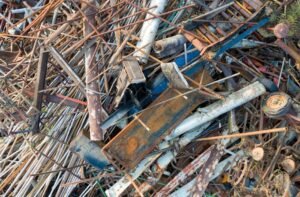
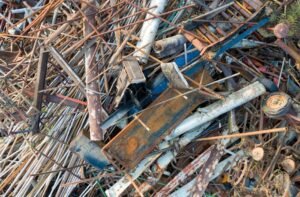
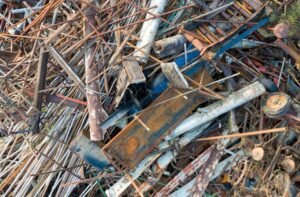
Scrap metal is categorized into grades based on material type, purity, and usability. On ScrapTrade, common grades include:
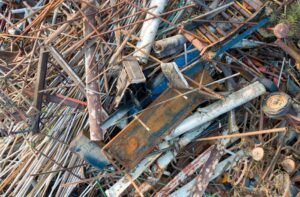
- Ferrous Metals: Includes iron and steel, often used in construction and manufacturing. ScrapTrade lists grades like heavy melting steel, cut structural steel, and railroad scrap.
- Non-Ferrous Metals: Non-magnetic metals such as copper, aluminum, and brass. These are valued for their conductivity and corrosion resistance. ScrapTrade highlights grades like copper wire, aluminum cans, and brass turnings.
- Specialty Scrap: Includes rare metals like nickel, titanium, and stainless steel. These are in high demand for aerospace, electronics, and medical industries.
Grades are further classified by size, shape, and contamination levels. For example, clean copper wire with minimal insulation fetches higher prices than mixed copper scrap. ScrapTrade’s grading system ensures transparency, helping buyers and sellers negotiate based on standardized criteria.
How the Recycling Process Works on ScrapTrade
Recycling scrap metal through ScrapTrade involves a structured process to maximize efficiency and sustainability:
- Collection: Scrap is gathered from industrial facilities, demolition sites, and households. ScrapTrade partners with collection services to streamline this step.
- Sorting & Grading: Materials are sorted using magnets, sensors, and manual checks. This ensures ferrous and non-ferrous metals are separated and graded for purity.
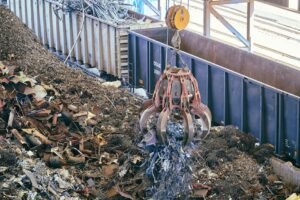
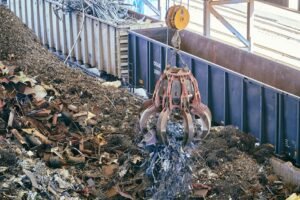
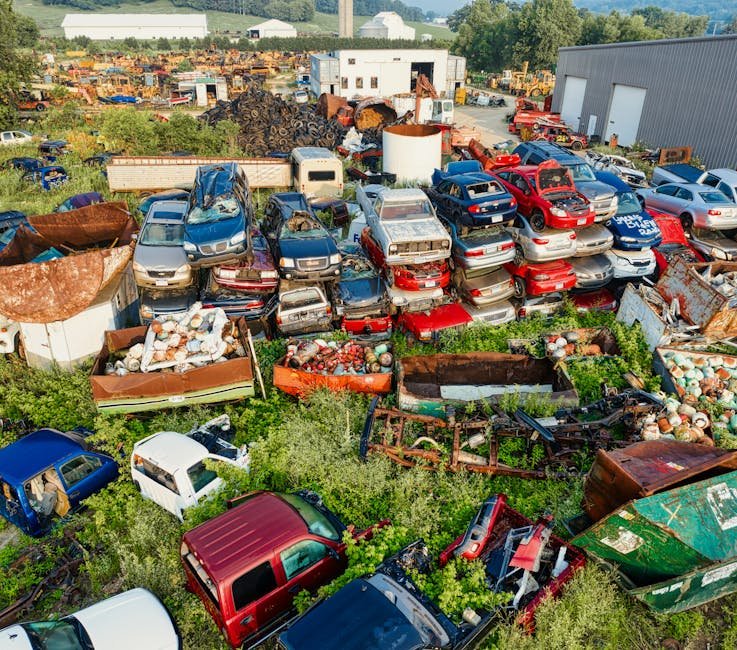
- Processing: Shredding, crushing, or melting the scrap to prepare it for reuse. For example, old car frames are shredded into manageable pieces for smelting.
- Refining & Reuse: Recycled metal is transformed into raw materials for new products. ScrapTrade tracks how each ton of scrap is repurposed, reducing the need for virgin mining.
By leveraging technology, ScrapTrade minimizes waste and improves the efficiency of each recycling step. Visit ScrapTrade’s website to see real-time listings of available scrap grades and pricing.
Environmental Benefits of Scrap Recycling
Recycling scrap metal through platforms like ScrapTrade offers significant environmental advantages:
- Energy Savings: Recycling aluminum uses 95% less energy than producing new aluminum from bauxite. Similarly, steel recycling saves 60-70% of the energy required for virgin production.
- Reduced Landfill Waste: Scrap metal takes up 20% of global landfill space. Recycling diverts this waste, preserving land for agriculture, housing, or green spaces.
- Lower Emissions: Smelting recycled scrap produces fewer greenhouse gases than mining and refining raw ore. ScrapTrade estimates that every ton of recycled metal saved 2.5 tons of CO2 emissions in 2023.
- Resource Conservation: Recycling reduces the need to extract finite resources like iron ore, copper, and rare earth metals, preserving ecosystems and biodiversity.
ScrapTrade supports these benefits by connecting stakeholders in the recycling chain. Explore ScrapTrade’s marketplace to contribute to a circular economy.
Practical Tips for Scrap Trade Success
Maximize your experience on ScrapTrade with these actionable tips:
- Optimize Listings: Provide detailed descriptions of your scrap, including grade, weight, and condition. Clear photos increase buyer confidence.
- Stay Informed: Monitor price trends using ScrapTrade’s real-time data. Prices for copper and aluminum, for instance, fluctuate with global demand.
- Network Strategically: Connect with other traders on ScrapTrade to build long-term partnerships. Bulk buyers may offer better rates for consistent supplies.
- Use the Platform Tools: Sign up and complete your profile to unlock advanced features like price alerts and contract negotiations.
Log in regularly to receive updates on new listings, policy changes, and sustainability reports from ScrapTrade.
ScrapTrade’s Role in Industry Support
ScrapTrade is committed to strengthening Australia’s recycling sector through:
- Educational Resources: Articles, webinars, and guides to help new traders understand market dynamics.
- Community Programs: Initiatives like free equipment training for small-scale recyclers.
- Technology Integration: AI-driven tools to predict price trends and optimize logistics for scrap collection and delivery.
By fostering collaboration between buyers, sellers, and recyclers, ScrapTrade ensures the industry remains competitive and sustainable. Join the platform to access these resources and grow your business.
Conclusion: Building a Sustainable Future with ScrapTrade
ScrapTrade’s ecosystem of grades, recycling processes, and environmental stewardship makes it a cornerstone of Australia’s circular economy. By choosing to trade and recycle through ScrapTrade, you’re not only securing better prices but also contributing to a greener planet. From sorting scrap metal to leveraging cutting-edge tools, every step on ScrapTrade aligns with sustainability goals.
Ready to take action? Start your journey on ScrapTrade today. Whether you’re buying, selling, or recycling, your participation helps reduce waste, conserve resources, and support local communities. Together, we can build a future where scrap becomes a valuable asset for all.
Additional Resources
For further reading, explore these related guides:
Frequently Asked Questions
How do I get started on ScrapTrade?
To begin, visit ScrapTrade’s website and sign up for a free account. Complete your profile to access listings and trading tools.
What are the most valuable scrap grades on ScrapTrade?
Non-ferrous metals like copper, aluminum, and brass typically offer the highest returns. Clean, high-purity grades command better prices than mixed or contaminated scrap.
How does recycling scrap metal reduce environmental impact?
Recycling saves energy, reduces landfill use, and lowers emissions compared to producing new metal. It also preserves natural resources by reusing existing materials.
Can small-scale traders benefit from using ScrapTrade?
Yes! ScrapTrade supports small businesses with tools for price tracking, networking, and educational resources. Visit ScrapTrade’s site to learn more about their community programs.