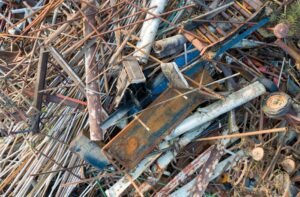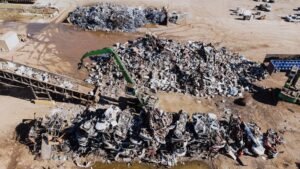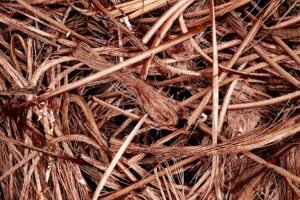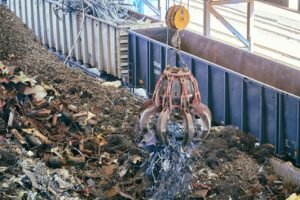

Second hand steel refers to recycled or repurposed steel materials sourced from industrial waste, construction projects, and decommissioned machinery. In Australia, this resource plays a critical role in the circular economy, reducing the need for virgin ore extraction and lowering carbon footprints. Key types include mild steel, sheet metal, and ferrous metal scrap, all traded at competitive steel price per tonne rates influenced by global markets and local demand. Whether you’re a buyer or seller, understanding how to navigate the second hand steel market requires knowledge of grading, sourcing, and recycling processes.
Understanding Second Hand Steel
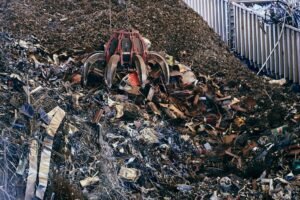
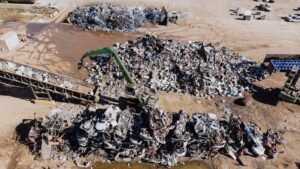
Second hand steel originates from discarded products and materials that retain value through reuse. This includes everything from steel scrap generated during manufacturing to obsolete infrastructure components. The Australian recycling industry processes over 10 million tonnes of ferrous metals annually, with second hand steel accounting for a significant portion. This material is essential for steel manufacturers who blend recycled content with new iron ore to produce sheet metal, beams, and other products. The environmental benefits are substantial—recycling steel saves up to 60% of the energy required to produce new steel.
Types of Second Hand Steel
Second hand steel is categorized based on its composition, form, and source. The most common types include:
- Mild Steel: A low-carbon steel ideal for general-purpose applications. It’s widely used in construction and automotive industries.
- Sheet Metal: Thin, flat pieces of steel used in manufacturing, often sourced from discarded appliances or vehicles.
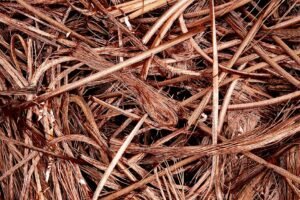
- Ferrous Metal Scrap: Includes all iron-based materials, such as steel from demolition sites or industrial waste.
- Stainless Steel: A non-ferrous variant resistant to corrosion, often traded separately due to its premium value.
For example, Stainless Steel Scrap Price is a critical benchmark for traders dealing with high-alloy steel. Meanwhile, sheet of stainless steel is often recycled into new food processing equipment or medical instruments.
Sourcing and Quality Assessment
Locating reliable sources of second hand steel requires a combination of networking and industry knowledge. Key sources include:
- Construction and demolition waste
- Manufacturing byproducts like sheet metal trimmings
- End-of-life vehicles and machinery
- Steel mills’ offcuts and rejected products
Quality assessment is essential to determine market value. Traders use methods like Steel Scrap Grading 1 Prepared 2 Prepared Shredded to evaluate purity, thickness, and contamination levels. For instance, mild steel with minimal rust or paint residue commands higher steel price per tonne than heavily degraded material.
Recycling and Processing
Processing second hand steel involves several stages to prepare it for reuse. The primary methods include:
- Baling: Using Steel Scrap Baling Processing Services Australia to compress steel scrap into dense, transportable units.
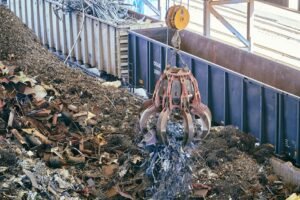
- Shredding: Reducing large items like demolition debris into smaller, uniform pieces.
- Sorting: Separating ferrous metal from non-ferrous materials using magnets and sensors.
In Australia, companies like Scrap Trade offer end-to-end solutions, including sheet metal processing and export-grade steel scrap preparation.
Market Trends and Pricing
The steel price per tonne fluctuates based on global supply chains, energy costs, and demand for recycled products. In 2023, Australian second hand steel prices saw a 12% increase due to rising construction activity and export demand. Key factors influencing pricing include:
- Grade and purity of the material
- Proximity to processing facilities
- Seasonal demand for products like mild steel in manufacturing
Traders should monitor resources like Stainless Steel Scrap Price to stay updated on niche market segments.
Practical Tips for Buyers and Traders
1. **Verify Documentation**: Always request certificates of origin and quality assurance for second hand steel, especially for high-value items like sheet of stainless steel.
2. **Test for Contaminants**: Use X-ray fluorescence (XRF) scanners to detect non-ferrous metal impurities that could lower the steel price per tonne.
3. **Leverage Bulk Pricing**: Negotiate better rates by purchasing large volumes of mild steel or steel scrap.
4. **Partner with Certified Processors**: Work with companies that employ Steel Scrap Baling Processing Services Australia to ensure compliance with environmental regulations.
Sustainability and Economic Impact
Recycling second hand steel supports Australia’s goal of becoming a net-zero economy by 2050. For every tonne of steel scrap recycled, approximately 1.5 tonnes of CO₂ emissions are avoided. Additionally, the industry creates jobs in logistics, processing, and trade. Local businesses can further enhance sustainability by sourcing second hand steel from nearby demolition projects instead of relying on imported materials.
Conclusion
Second hand steel is a cornerstone of Australia’s recycling industry, offering economic and environmental benefits. By understanding market dynamics, grading systems, and processing technologies, traders can maximize value while contributing to sustainability. For seamless transactions, consider using Scrap Trade to access verified suppliers and Scraptrade for competitive pricing tools.
Related: second hand wheels for sale
Related: sheet of stainless steel
Frequently Asked Questions
What are the main types of second hand steel available in Australia?
Second hand steel in Australia includes mild steel, sheet metal, ferrous metal scrap, and stainless steel. Each type is graded based on purity and form, with Steel Scrap Grading 1 Prepared 2 Prepared Shredded being a common classification system.
How is second hand steel priced in the market?
Pricing depends on the steel price per tonne, which is influenced by global demand, processing costs, and material quality. For example, Stainless Steel Scrap Price often exceeds that of mild steel due to its alloy composition.
Where can I find reliable sources of second hand steel?
Reliable sources include construction demolition sites, manufacturing facilities, and specialized platforms like Scrap Trade, which lists second hand steel from verified suppliers across Australia.
What are the benefits of recycling second hand steel?
Recycling second hand steel reduces energy consumption by 60% compared to producing new steel, lowers landfill waste, and supports Australia’s circular economy goals. It also offers cost savings for manufacturers using steel scrap in their production processes.