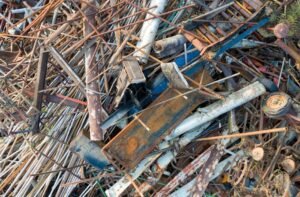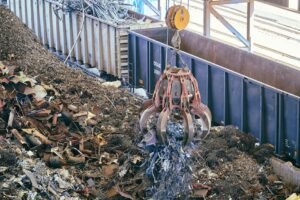

Sell scrap metal Campbelltown is a straightforward process when you understand the steps, market conditions, and local regulations. Whether you’re a homeowner clearing out old appliances or a business owner managing industrial waste, this guide will walk you through everything you need to know. From identifying where to sell and how to maximize your returns to understanding environmental benefits, we’ve covered all bases to help you navigate the scrap metal recycling ecosystem in Campbelltown.
Why Campbelltown is a Hub for Scrap Metal Recycling
Campbelltown, a major industrial and commercial hub in New South Wales, has a thriving scrap metal recycling industry. Its strategic location near Sydney and robust infrastructure make it a prime destination for scrap metal buyers and sellers. Local recycling facilities process thousands of tons of scrap annually, contributing to both economic and environmental sustainability. The region’s demand for high-grade scrap ensures competitive pricing for sellers who sort and prepare their materials effectively.
Step-by-Step Guide to Sell Scrap Metal Campbelltown
Follow this structured approach to sell scrap metal Campbelltown efficiently:
- 1. Identify Metal Types: Categorize your scrap into ferrous (e.g., iron, steel) and non-ferrous (e.g., copper, aluminum) metals. Non-ferrous metals typically yield higher returns.
- 2. Weigh and Measure: Accurate weight measurements ensure fair pricing. Use a calibrated scale if possible.
- 3. Research Buyers: Compare quotes from scrap metal buyers Campbelltown and online platforms like Sell Scrap to find the best offers.
- 4. Prepare Documentation: Have proof of ownership and ID ready to comply with Australian recycling laws.
- 5. Deliver or Arrange Pickup: Many dealers offer free pickup services for large quantities.
Getting the Best Price for Your Scrap Metal
Maximizing your returns starts with understanding market dynamics:
- Purity and Grade: High-purity metals (e.g., copper wiring) fetch higher prices. Specialized grades may require niche buyers.
- Timing: Metal prices fluctuate with global markets. Check current trends before selling.
- Presentation: Clean, sorted metals reduce processing costs for buyers, increasing your value.
- Volume Discounts: Large consignments often qualify for premium pricing.
Essential Documents for Selling Scrap Metal
Legal compliance is crucial to avoid penalties. Prepare the following when sell scrap metal Campbelltown:
- Proof of Ownership: Receipts, permits, or contracts for industrial materials.
- Government-Issued ID: A driver’s license or passport for verification.
- Business Registration: If selling on behalf of a company, provide ABN details.
- Waste Management Certificates: Required for certain industrial scrap under NSW regulations.
Grades of Scrap Metal and Their Value
Scrap metal is categorized into grades based on type, condition, and use:
- Ferrous Metals: Iron, steel, and alloys. Lower value due to abundance but high demand.
- Non-Ferrous Metals: Aluminum, copper, brass, and zinc. Higher value due to conductivity and durability.
- Black and Red Metals: Black metals include steel, while red metals like copper require careful sorting.
- Specialty Alloys: High-value grades used in aerospace or electronics (e.g., stainless steel, titanium).
How the Recycling Process Works
After selling your scrap, the recycling journey continues:
- Collection: Scrap is transported to recycling facilities.
- Sorting: Advanced machinery separates metals by type and grade.
- Shredding/Melting: Ferrous metals are shredded; non-ferrous metals are melted for reuse.
- Refining: Impurities are removed to produce raw material for manufacturing.
- Reintegration: Recycled metals are used in new products, closing the loop.
Environmental Benefits of Recycling Scrap Metal
Recycling metals reduces environmental impact in several ways:
- Energy Savings: Recycling aluminum uses 95% less energy than producing new aluminum from bauxite.
- Landfill Reduction: Diverting scrap from landfills preserves landfill space and prevents toxic leaching.
- Resource Conservation: Recycling reduces the need for mining raw materials, protecting ecosystems.
- Carbon Emissions: Lower energy use in recycling processes cuts greenhouse gas emissions.
Practical Tips for First-Time Sellers
For newcomers, here are actionable tips to sell scrap metal Campbelltown effectively:
- Research Local Dealers: Use platforms like Scrap Trade to compare prices and services.
- Ask About Payment Methods: Some dealers offer instant cash for scrap or bank transfers.
- Ask About Free Pickup: Many services cover delivery costs for large volumes.
- Stay Informed: Follow Sell Scrap for updates on price trends and regulations.
Conclusion: Make the Most of Your Scrap
Sell scrap metal Campbelltown is more than a transaction—it’s a step toward sustainability and economic efficiency. By understanding metal grades, market conditions, and recycling benefits, you can maximize your earnings while contributing to environmental conservation. Whether you’re selling a small batch of copper wire or a large industrial load, leveraging local expertise and digital tools will ensure a smooth experience. Start today and turn your waste into wealth!
Related: Sell Scrap Metal Near Me In 2026
Related: Sell Scrap
Related: Sell Metal Powder Scrap Atomized Metal Powders
Related: sell metal online
Frequently Asked Questions
What’s the best way to find scrap metal buyers in Campbelltown?
The best approach is to compare quotes from multiple local scrap metal buyers Campbelltown and use online platforms like Sell Scrap for competitive pricing.
Do I need documents to sell scrap metal?
Yes, always carry proof of ownership, government ID, and business registration if applicable. These are required by law and ensure a smooth transaction.
How can I get the highest price for non-ferrous metals?
Clean, sort, and weigh your metals accurately. Research current market rates via Sell Scrap Metal Near Me In 2026 and target specialty buyers for high-purity grades.
Is recycling scrap metal environmentally beneficial?
Absolutely. Recycling reduces energy use, landfill waste, and carbon emissions while conserving natural resources—a win for both sellers and the planet.