
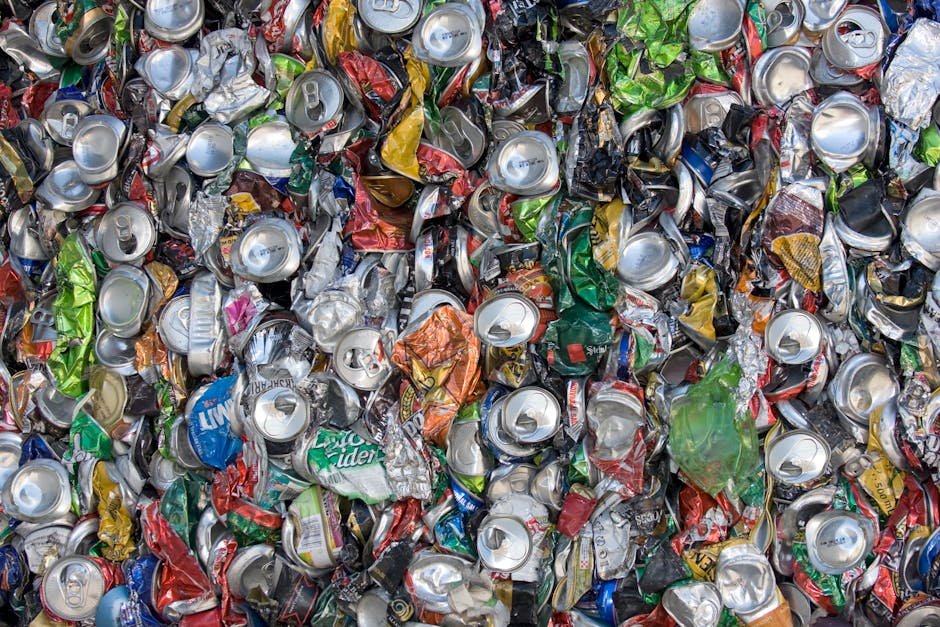

When you ask yourself, can i sell scrap metal, you are tapping into a vital sector of the Australian circular economy that transforms industrial waste into raw manufacturing materials. Whether you are a tradesperson clearing a site, a homeowner cleaning out a garage, or an industrial manager handling high-volume waste, understanding the mechanics of scrap trading is essential for turning liability into profit. If you are ready to start, you can Sell Scrap Metal Near Me In 2026 by identifying local yards that offer transparent weighing and payment processes. The process of how to Sell Scrap effectively requires more than just gathering metal; it demands an understanding of commodity cycles, material identification, and the regulatory requirements that govern the industry in Australia.
The Fundamentals of Selling Scrap Metal
The Australian scrap industry is driven by global demand for raw commodities. When you decide to sell, you are essentially acting as a micro-supplier to global smelters. To get the Scrap Metal Prices that reflect the true value of your haul, you must first understand that not all metal is created equal. Ferrous metals, such as iron and steel, are magnetic and generally trade at lower volumes, while non-ferrous metals like copper, aluminium, brass, and stainless steel command significantly higher prices per kilogram. The primary challenge for most sellers is the contamination of their scrap. A load of copper pipe that still contains plastic fittings or steel valves is considered ‘dirty’ and will be downgraded by the yard, significantly impacting your bottom line. To ensure you receive the best value, you must strip away non-metallic attachments. This prep work is the difference between a standard payout and a premium return. Furthermore, you should consult our guide on How to Sell Scrap Metal: Best Price & Where to Sell to understand the nuances of yard selection, as different dealers specialize in different material streams. For those seeking professional advice on large-scale operations, visit professional scrap metal trading services for industry-standard insights.
Understanding Scrap Metal Grades and Identification
Accurate identification is the cornerstone of profitable scrap trading. In Australia, scrap yards utilize specific grading systems to categorize materials. For instance, copper is divided into grades like ‘Bright and Shiny’ (clean, unoxidized wire), ‘Copper Pipe’ (clean, no solder), and ‘Burnt Copper’ (which fetches a lower price due to the chemical changes caused by burning). Aluminium is similarly graded; ‘Cast Aluminium’ (engine blocks, mower decks) trades differently than ‘Extrusion’ (window frames, ladder rails). When you ask, can i sell scrap metal, the answer is always yes, but the profit margin depends on your ability to sort these grades into separate, clean piles. Mixing grades is the most common mistake beginners make, as the yard will often pay for the entire lot at the price of the lowest-value item in the pile. Use a magnet to test for ferrous content; if the magnet sticks, it is steel or iron. If it does not, you are likely looking at a non-ferrous metal. Keep these separated from the start to save hours of sorting time later. High-value materials like lead, zinc, and stainless steel should always be kept in separate containers to prevent cross-contamination.
Logistics: Where to Sell and How to Get the Best Price
Deciding where to take your scrap is as important as the quality of the material itself. You need a reputable dealer who utilizes calibrated, certified weighbridges and provides clear, itemized dockets. Start by researching yards in your local area that have a strong reputation for customer service and fair pricing. When you arrive at the yard, be prepared to present valid photo identification, as most Australian states have strict regulations requiring dealers to record the details of anyone selling scrap metal to prevent the trading of stolen goods. To get the best price, keep an eye on the London Metal Exchange (LME) trends, as Australian domestic prices are heavily influenced by these global benchmarks. If you have a significant volume of scrap, do not hesitate to call ahead and negotiate a price based on the weight and quality of your load. Many yards will offer better rates for ‘clean’ loads that require minimal processing on their end. Furthermore, consider the logistics of transport; if the cost of fuel to transport your scrap exceeds the potential profit, it may be more economical to accumulate a larger load or seek a dealer who offers collection services for industrial-scale quantities.
The Environmental and Economic Impact of Recycling
Recycling metal is one of the most effective ways to reduce the environmental footprint of the manufacturing sector. Producing new aluminium from recycled material consumes approximately 95% less energy than producing it from virgin bauxite ore. By choosing to recycle, you are directly contributing to the reduction of landfill waste and the conservation of natural resources. Every tonne of steel recycled saves over a tonne of iron ore, 630kg of coal, and 55kg of limestone. This is why the industry is heavily regulated and supported by government initiatives aimed at increasing recovery rates. When you ask can i sell scrap metal, you are participating in a global supply chain that emphasizes sustainability. The energy savings from recycling copper, lead, and stainless steel are equally profound, leading to lower carbon emissions during the smelting process. By supporting local scrap dealers, you are also fueling the local economy and ensuring that valuable resources remain within the country, ready for the next generation of manufacturing.
Compliance and Documentation Requirements
The Australian scrap metal industry operates under strict legislative frameworks, particularly regarding the ‘Cash for Scrap’ legislation. In many jurisdictions, paying cash for scrap metal is prohibited to deter the trafficking of stolen property. Expect to provide your driver’s license or other government-issued ID, and be prepared to receive payment via Electronic Funds Transfer (EFT) or cheque. This is a positive development for the industry, as it provides a digital audit trail for your transactions, which is essential for businesses that need to account for asset disposal. When you sell, ensure you receive a weight docket that specifies the type of metal, the weight, and the price per unit. If you are selling on behalf of a business, you may also need to provide an ABN and potentially a tax invoice if you are registered for GST. Keeping accurate records of your sales is not only a legal requirement in many instances but also a best practice for tracking the profitability of your scrap collection efforts over time. Always ask the dealer for their current compliance requirements before you arrive to ensure a smooth, professional transaction.
Advanced Strategies for High-Volume Scrap Management
For tradespeople, demolition contractors, and manufacturers, managing scrap is a business function that requires a strategic approach. Instead of treating scrap as a nuisance, view it as a secondary revenue stream. Implement a ‘segregation at source’ policy on your job sites. Provide clearly labeled bins for different metal types—copper, brass, aluminium, and steel—to ensure that your team sorts the material as they work. This eliminates the need for labor-intensive sorting later and ensures you receive the highest possible payout for your materials. Establish a relationship with a reliable scrap dealer who can provide regular bin services for your site. A consistent, high-quality stream of scrap will often make you a preferred customer, granting you access to better pricing tiers and priority service. Regularly audit your waste stream to identify high-value components that might be getting lost in the general skip bin. By treating scrap management with the same rigor as your primary business operations, you can turn a significant cost center into a reliable source of income while simultaneously improving your site’s environmental compliance and sustainability credentials.
Frequently Asked Questions
Do I need any specific documents to sell scrap metal in Australia?
Yes, you must provide valid government-issued photo identification, such as a driver’s license or passport. Depending on your state, you may also need to provide your ABN if you are selling as a business entity.
Can I still get paid cash for my scrap metal?
In most Australian states, legislation prohibits scrap dealers from paying cash to prevent the sale of stolen goods. You will typically be paid via Electronic Funds Transfer (EFT) or cheque.
How do I know if my metal is ferrous or non-ferrous?
The easiest way to tell is by using a magnet. If the magnet sticks to the metal, it is ferrous (iron or steel); if it does not stick, it is non-ferrous (like copper, aluminium, or brass).
Why is my scrap metal being downgraded at the yard?
Scrap is usually downgraded due to contamination, such as plastic, rubber, or other metals attached to the main piece. Removing these attachments before you arrive will ensure you receive the highest grade and best price.