
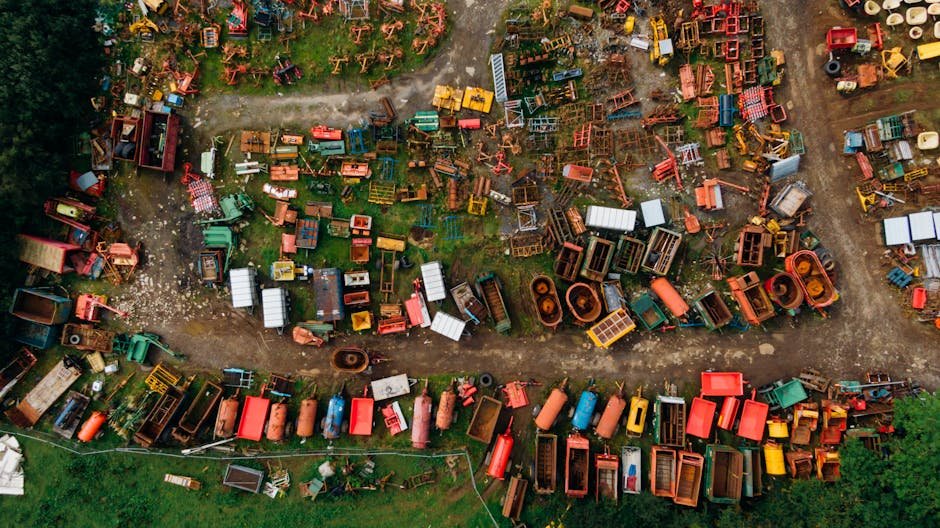

Understanding how to sell metal is a fundamental skill for anyone looking to maximize returns from industrial, commercial, or residential waste. Whether you are a tradesperson clearing a job site or a homeowner recycling household copper, the process of turning scrap into profit requires strategic preparation and market awareness. Learning how to sell metal effectively means moving beyond simply dumping materials at a local yard; it involves meticulous sorting, understanding grade classifications, and timing your sales to align with market fluctuations. As you navigate this industry, you will find that the difference between a mediocre payout and the best price often comes down to how clean your load is and your relationship with the yard. This guide serves as your definitive resource for navigating the Australian scrap landscape, ensuring you get the most value for every kilogram of material you bring to the scales. If you are looking for local options, you can Sell Scrap Metal Near Me In 2026 by using our verified yard locator tools. By mastering how to sell metal, you transform what many perceive as trash into a reliable revenue stream.
The Anatomy of Scrap: Sorting for Maximum Value
The single most influential factor in your payout is the quality and purity of your material. Scrap yards operate on a grading system where the presence of contaminants—such as plastic insulation on copper wire, steel bolts on aluminium, or dirt on lead—drastically lowers the value. When you bring a mixed load, you are often paid at the rate of the lowest-value item in that pile. To secure the best price, you must separate your metals into distinct categories: Ferrous (iron and steel) and Non-Ferrous (copper, aluminium, brass, stainless steel, and lead). Within these categories, further refinement is necessary. For example, ‘Bright and Shiny’ copper wire commands a significantly higher price than ‘Burnt’ or ‘Insulated’ copper. Use a magnet to test your metals; if it sticks, it is ferrous. If it does not, it is non-ferrous, which is generally more valuable. Professional scrap metal trading platforms like Scrap Trade Australia emphasize that clean, sorted scrap allows yards to process material faster, which often results in better negotiation leverage for the seller. Consider investing in a basic set of tools to strip cables or remove non-metallic attachments. A few minutes of manual labor can increase the value of your load by 20% to 50% depending on the current market. Keep your materials dry and free of oil or grease, as these contaminants can also lead to price deductions or outright rejection at the weighbridge.
Understanding Market Dynamics and Pricing
Scrap metal is a global commodity, and domestic prices in Australia are heavily influenced by international markets, particularly the London Metal Exchange (LME). When you research metal sell: Your Complete Guide to Selling Scrap Metal, you will notice that prices are rarely static. They fluctuate daily based on supply chain disruptions, industrial demand in manufacturing hubs like China, and currency exchange rates. To get the best price, you need to track these trends. Many scrap dealers update their pricing sheets weekly or even daily. Before you head out, check online resources to get a baseline expectation for the current market value of your specific grade. It is also important to understand the concept of ‘yard spread’—the difference between the price the yard pays you and the price they receive from smelters. Smaller yards may have higher overheads and lower margins, while large-scale regional hubs might offer better rates for high-volume loads. If you are looking to Sell Scrap in bulk, it is worth contacting multiple yards to compare their current buying rates. Always ask if they offer ‘spot prices’ for large quantities. Do not be afraid to negotiate if you have a significant volume of high-grade copper or aluminium. Building a reputation as a reliable supplier who brings in clean, well-sorted material is the fastest way to get on the ‘preferred seller’ list at your local yard.
The Legal Landscape: Documentation and Compliance
In Australia, the scrap metal industry is strictly regulated to prevent the trade of stolen goods. When you arrive at a scrap dealer, you must be prepared to provide valid identification. Under the Second-Hand Dealers and Pawnbrokers Act (and various state-specific scrap metal industry acts), yards are legally required to record the details of the person selling the scrap. This typically includes a current driver’s license, passport, or government-issued photo ID. Some states also require the collection of vehicle registration details for the transport used to deliver the scrap. It is a common misconception that you can remain anonymous; legitimate yards will refuse service to anyone who cannot provide proper documentation. Furthermore, if you are selling on behalf of a business, you may need an ABN (Australian Business Number) to facilitate the transaction, especially if you are claiming GST on the sale. Keep records of your transactions, as these are essential for your own tax reporting. If you are dealing with large industrial quantities, you may also need to provide documentation proving the origin of the material, such as invoices from demolition jobs or manufacturing waste logs. Compliance is not just a legal requirement; it is a mark of a professional seller. Yards prefer working with individuals who understand the legal framework, as it reduces their own regulatory risk. Always ensure you are dealing with a licensed facility that adheres to environmental standards, as this ensures your scrap is being processed through legal, sustainable channels.
Logistics: Transporting and Weighing Your Scrap
Moving scrap metal requires more than just a trailer; it requires safety and efficiency. Secure your load to prevent spillage, which is a major safety hazard and can lead to heavy fines on public roads. If you are transporting large quantities, ensure your vehicle is within its legal towing capacity. Once you arrive at the yard, follow the site-specific safety protocols—usually, this involves wearing high-visibility vests, steel-capped boots, and hard hats. When you reach the weighbridge, ensure you are fully aware of the process. Most yards use a ‘gross-tare-net’ system: they weigh your vehicle when you arrive (gross), you unload, and they weigh it again when you leave (tare) to calculate the exact weight of the scrap (net). Some yards may use a platform scale for smaller, high-value loads like copper or precious metals. Watch the scales during the weighing process to ensure transparency. If you have any doubts about the weight, do not hesitate to ask for a recalibration or a second weigh-in. Being present and attentive during the weighing process is a critical part of ensuring you are paid for every kilogram. If you are selling regularly, consider keeping a personal logbook of your loads. This helps you track your income and identify which yards provide the most consistent and accurate service. Remember that professional scrap dealers value safety; if you arrive with a disorganized, dangerous load, you are less likely to be treated as a priority client.
Where to Sell: Choosing the Right Scrap Dealer
Not all scrap dealers are created equal. Some specialize in high-volume industrial steel, while others are better equipped to handle small, high-value non-ferrous loads. Your choice of dealer depends on what you are selling and the volume you have. A large, industrial-focused yard might offer better prices for bulk steel but may be less accommodating to a home renovator with a few bags of copper piping. Conversely, smaller, boutique yards often provide better service and higher prices for high-grade non-ferrous metals because they have lower overheads and a more specialized customer base. When evaluating where to sell, consider factors like proximity, payment terms, and the reputation of the business. Do they pay cash, or do they use electronic funds transfer (EFT)? While the allure of ‘cash for scrap’ is strong, many modern yards have moved toward digital payments for security and regulatory reasons. Check online reviews and community forums to see what other sellers are saying about their experiences. Are the staff helpful? Are the scales accurate? Is the yard clean and well-organized? These are all indicators of a professional operation. Don’t be afraid to visit a few different yards to ‘test the waters’ with a small load. This allows you to gauge their service levels and pricing structures without committing to a large transaction. Remember that building a long-term relationship with a specific yard is often the best way to secure consistent pricing and preferential treatment. If you are a regular seller, you might even be able to negotiate a ‘contract’ price for consistent, high-quality supply.
Optimizing for Future Market Trends
The scrap metal industry is undergoing a significant transformation driven by the circular economy and the global push toward sustainability. As manufacturers shift toward using more recycled content to meet ESG (Environmental, Social, and Governance) targets, the demand for high-quality, pre-sorted scrap is only going to increase. This trend is a major opportunity for the savvy seller. By focusing on ‘clean’ scrap—material that is free from contaminants and sorted by alloy—you are providing a product that is ready for the furnace, which is significantly more valuable to the end-user. Stay informed about these shifts. For instance, the rise of electric vehicles is changing the demand profile for copper and aluminium, while the transition to green steel is altering the market for ferrous scrap. Following industry news and participating in local trade groups can give you a competitive edge. You might also consider investing in better sorting technology, such as handheld XRF (X-ray fluorescence) analyzers, if you are planning to scale up your scrap trading business. These devices allow you to instantly identify metal alloys, ensuring you never sell a high-value alloy at a low-value price. As the industry becomes more digitized, look for scrap dealers who are adopting technology to streamline the selling process, such as mobile apps for pricing updates or digital receipt systems. Embracing these changes will not only make your life easier but will also position you as a sophisticated player in the market, capable of commanding the best possible prices for your materials. The future of scrap is professional, transparent, and highly efficient; those who adapt to these standards will undoubtedly see the greatest rewards.
Related: metal sell: Your Complete Guide to Selling Scrap Metal
Frequently Asked Questions
Do I need to strip insulation off copper wire?
Yes, stripping insulation significantly increases the value of your copper. Scrap yards pay a premium for ‘bright and shiny’ bare copper compared to ‘insulated’ or ‘burnt’ copper.
Can I get cash for scrap metal in Australia?
Most licensed scrap dealers in Australia have moved away from cash payments due to strict anti-money laundering and anti-theft regulations. Expect payment via electronic funds transfer (EFT) or cheque.
What documents do I need to bring to the scrap yard?
You must bring a valid government-issued photo ID, such as a driver’s license or passport. Some yards may also require your vehicle registration details or an ABN if you are selling as a business.
How do I know if my metal is ferrous or non-ferrous?
Use a magnet. If the magnet sticks to the metal, it is ferrous (iron or steel). If the magnet does not stick, it is non-ferrous (such as copper, aluminium, brass, or stainless steel), which is generally more valuable.