
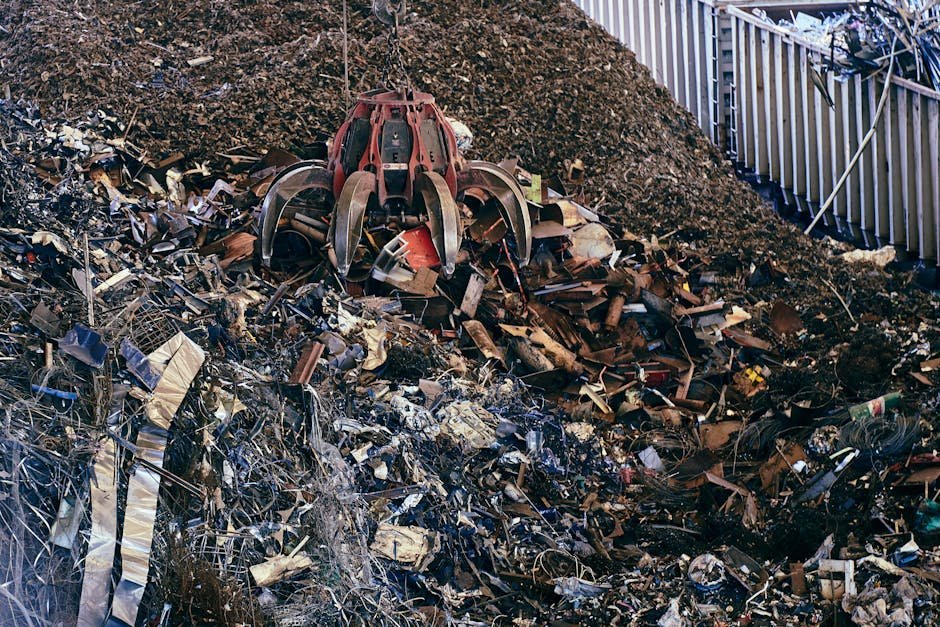

Understanding the Scrap Selling Process – Documents, Pricing & Pickup Explained is essential for anyone looking to turn waste into wealth while contributing to the circular economy. Whether you are an industrial manufacturer, a demolition contractor, or a private individual clearing out a workshop, navigating the complexities of the scrap metal market in Australia requires a strategic approach. By mastering the fundamentals of material grading, documentation requirements, and logistics, you can ensure that you consistently get paid the true value of your assets.
The Fundamentals of the Scrap Selling Process – Documents, Pricing & Pickup Explained
The journey from scrap heap to raw material begins with proper identification. In Australia, the recycling industry is highly regulated, and the Scrap Selling Process – Documents, Pricing & Pickup Explained serves as the blueprint for compliance and profitability. When you approach a scrap dealer, the first step is always classification. Metals are broadly divided into ferrous (iron-based) and non-ferrous (copper, aluminium, brass, etc.). Non-ferrous metals generally command a higher price due to their scarcity and the energy savings associated with recycling them compared to virgin ore extraction.
To achieve the best price, you must minimize contamination. A pile of copper wire mixed with PVC insulation or steel screws will be downgraded to a lower price bracket. Professional sellers use magnets to identify ferrous materials and visual inspection to determine the cleanliness of non-ferrous items. If you are looking to optimize your returns, read our comprehensive guide: We Buy Scrap Your Guide To Selling Scrap Metal For Maximum Profit. This resource provides granular detail on how to prepare your inventory to ensure the highest payout at the weighbridge.
Documentation and Legal Compliance for Scrap Sellers
In Australia, the scrap metal industry operates under strict anti-theft and environmental legislation. When you visit a facility or arrange a pickup, you will be required to provide specific documentation to prove ownership and identity. This is not just a formality; it is a legal requirement designed to prevent the trade of stolen goods. You will typically need a valid driver’s license or a government-issued photo ID. For businesses, an ABN (Australian Business Number) is essential for tax reporting and GST compliance.
If you are dealing with large-scale industrial scrap, you may also need to provide a waste transport certificate or a declaration of origin. These documents ensure that the materials are handled in accordance with environmental protection agency guidelines. For those looking to move materials across borders or through complex logistics chains, it is vital to understand the regulatory landscape. You can learn more about the complexities of global logistics by reading the International Scrap Shipping Process Explained and the follow-up, International Scrap Shipping Process Explained 2.
Maximizing Your Returns: How to Get the Best Price
Achieving the best price for your scrap is about more than just the market rate; it is about timing and preparation. Scrap metal prices are volatile and fluctuate based on the London Metal Exchange (LME). Staying informed about these trends is key. When you are ready to sell, contact a reputable Australian scrap metal recycler to get a current quote. Always ask if the price provided is the ‘delivered’ price or the ‘ex-works’ price, as this will impact your net profit once transport costs are factored in.
Volume is another major factor. Dealers are often willing to negotiate higher rates for consistent, high-volume supply. If you have a steady stream of scrap, consider establishing a long-term contract with a buyer. Furthermore, knowing your grades is critical. For instance, knowing the difference between ‘Bright Shiny Copper’ and ‘Burnt Wire’ can mean the difference between a premium payout and a base-rate return. For those specifically dealing with light metals, our guide on how to Sell Aluminium Scrap Online – Pricing, Grades & Process offers specific insights into grading and value optimization.
Logistics: Pickup vs. Drop-off
For many businesses, the logistics of moving heavy, bulky scrap is the biggest hurdle. Most major scrap yards offer pickup services, but these come with costs that are deducted from your final payout. If you have a large quantity of material, a dedicated bin service or a scrap collection truck is the most efficient route. Before booking a pickup, ensure your site is accessible for heavy vehicles. A clear, level area for a skip bin can save you significant time and money on labor charges.
If you are a smaller operator, dropping off your scrap at a local yard is often the quickest way to get paid. Most yards have digital weighbridges that provide transparent, printed receipts of your load. Always observe the weighing process to ensure accuracy. If you notice any discrepancies, address them immediately with the yard manager. Transparency is the hallmark of a professional scrap dealer, and you should never feel hesitant to ask for a breakdown of the weights and grades assigned to your load.
The Environmental Impact of Scrap Recycling
Beyond the financial incentives, selling scrap metal is a critical environmental act. Recycling one tonne of steel saves over a tonne of iron ore, 600kg of coal, and 50kg of limestone. By participating in the scrap selling process, you are actively reducing the carbon footprint of the manufacturing sector. The energy required to melt down recycled aluminium is only 5% of the energy required to produce new aluminium from bauxite ore. This is why the industry is so focused on the ‘Circular Economy’—the idea that materials should never become waste, but rather inputs for new products.
It is not just metals that benefit from this systematic approach. The recycling of plastics, such as PET bottles, follows a similar logic of resource recovery. If your operations involve non-metal recyclables, you can find expert guidance in our PET Bottle Scrap Buyers – Bulk Selling Guide with Pricing. By diversifying your recycling streams, you can improve your company’s sustainability rating, which is increasingly important for corporate social responsibility (CSR) reporting in Australia.
Understanding Metal Grades and Quality Control
The value of your scrap is inherently tied to its purity. Contamination—such as plastic, glass, or low-grade steel mixed with high-grade copper—is the enemy of profit. In the industry, we call this ‘down-grading.’ If you bring in a load of what you think is high-grade brass but it contains lead or iron, the entire load may be priced at the lowest common denominator. To avoid this, invest time in sorting your scrap at the source. Use a magnet to separate ferrous from non-ferrous metals, and use a grinder or file to check the internal color of metals like copper and brass.
Furthermore, understand the specific market demand. During periods of high infrastructure development, demand for steel and copper spikes. During economic slowdowns, prices may soften. By keeping a close eye on the global scrap metal market, you can time your sales to coincide with market peaks. Remember, the goal is to provide the dealer with ‘clean’ scrap that requires minimal processing, as this makes your material more attractive and commands a higher price per kilogram.
Safety Protocols When Handling Scrap
Working with scrap metal is inherently dangerous. Sharp edges, heavy loads, and hazardous materials (like old batteries or pressurized canisters) pose significant risks. Always wear appropriate Personal Protective Equipment (PPE), including heavy-duty gloves, steel-capped boots, and high-visibility clothing. If you are handling large industrial components, ensure that you have the correct lifting equipment. Never attempt to manually move loads that exceed your physical capacity; use forklifts or cranes.
Additionally, be aware of environmental safety. Leaking fluids from old machinery or batteries can cause soil contamination, which can lead to significant fines. Ensure that all scrap is stored on a concrete or sealed surface until it is picked up. By maintaining a clean and safe site, you not only protect yourself and your employees but also demonstrate to your scrap dealer that you are a professional, reliable supplier, which can lead to better long-term business relationships and more competitive pricing.
Conclusion: Turning Waste into a Consistent Revenue Stream
The Scrap Selling Process – Documents, Pricing & Pickup Explained is designed to empower you to maximize the value of your metal waste. By understanding the importance of documentation, the nuances of metal grading, and the logistics of efficient pickup, you can transform what was once a disposal cost into a reliable revenue stream. Remember that the market rewards those who are prepared; keep your scrap clean, keep your records organized, and stay informed about the latest market trends.
Whether you are a small-scale recycler or managing industrial-grade volumes, the key to success lies in building a relationship with a trusted partner who values transparency and fair pricing. As the Australian economy continues to prioritize sustainable practices, the role of the scrap metal seller becomes increasingly vital. Start by auditing your current waste streams, implementing a sorting strategy, and reaching out to professional buyers to see how you can begin optimizing your returns today.
Frequently Asked Questions
What documents do I need to sell scrap metal in Australia?
You typically need a valid government-issued photo ID, such as a driver’s license. If you are selling on behalf of a business, you will also need your ABN and potentially a waste transport certificate.
How can I get the best price for my scrap metal?
To get the best price, ensure your scrap is clean, sorted by metal type, and free from contaminants like plastic or insulation. Building a long-term relationship with a dealer and selling in higher volumes can also help you secure better rates.
Does the scrap dealer offer pickup services?
Yes, most professional scrap dealers offer pickup services for large quantities. However, keep in mind that transport costs may be deducted from your final payment, so it is best to get a quote that clarifies these terms.
Why does scrap metal pricing fluctuate?
Scrap metal prices are driven by global supply and demand, and are heavily influenced by the London Metal Exchange (LME). Factors like manufacturing demand, currency exchange rates, and the cost of raw material extraction all play a role in daily price changes.