
When it comes to sourcing reliable components and managing end-of-life vehicles in the Hunter Valley, sgs auto parts kurri stands as a cornerstone of the local industrial landscape. As the automotive industry shifts toward a circular economy, the role of professional wreckers and recyclers has become more critical than ever. For mechanics, hobbyists, and scrap metal traders, understanding the nuances of how these facilities operate is essential for maximizing both value and sustainability. This guide explores the intricate world of automotive recycling, focusing on the standards and services that define the region’s premier dismantling operations.
The Strategic Importance of SGS Auto Parts Kurri in the Hunter Valley
The Hunter Valley region, traditionally known for its coal mining and viticulture, has evolved into a significant hub for heavy industry and logistics. Within this ecosystem, sgs auto parts kurri serves as a vital link in the supply chain. By reclaiming usable parts from damaged or aged vehicles, they reduce the demand for new manufacturing, which is energy-intensive and resource-heavy. The Kurri Kurri area, with its proximity to major transport routes like the Hunter Expressway, allows for efficient distribution of recycled components across New South Wales and beyond.
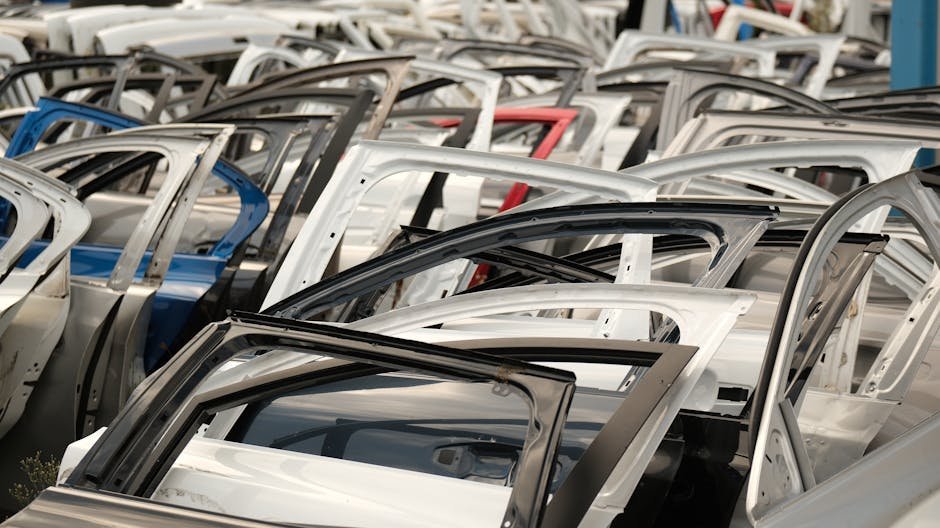
For those looking to optimize their vehicle disposal, utilizing a professional Vehicle Scrap Yard How To Sell Scrap Vehicles And Auto Parts For Maximum Value is the most effective way to ensure that every gram of metal and every functional sensor is put back into the economy. The facility at Kurri Kurri doesn’t just crush cars; it meticulously catalogs inventory, ensuring that a 2015 Toyota Hilux alternator or a late-model Ford Ranger transmission finds a second life. This level of detail is what separates a modern recycling facility from a traditional “junk yard.”
Sourcing High-Value Electrical and Mechanical Components
One of the most sought-after categories in the secondary market is auto electrical scrap. Modern vehicles are increasingly reliant on complex electronic control units (ECUs), high-output alternators, and high-torque starter motors. When visiting sgs auto parts, buyers are often looking for these specific items because the cost of new OEM (Original Equipment Manufacturer) parts can be prohibitive. The recovery of these parts requires technical expertise to ensure that delicate copper windings and circuit boards are not damaged during the extraction process.
For those interested in the broader market of electrical recycling, our Buy Alternator Starter Scrap Auto Electrical Parts 2026 Guide provides a deep dive into the grading and valuation of these components. At sgs auto parts kurri, the focus is on quality assurance. Before a part is shelved, it undergoes a visual and, where possible, functional inspection. This reliability is why local workshops prefer sourcing from established names. The environmental benefit is also significant; recycling copper from alternators uses approximately 85% less energy than mining and refining new ore.
Maximizing Scrap Metal Returns from End-of-Life Vehicles
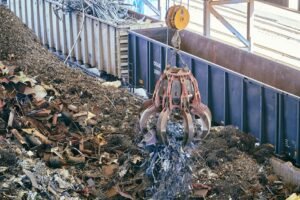
When a vehicle reaches the end of its functional life, its value shifts from its utility as a machine to its weight in raw materials. The process at sgs kurri involves several stages of de-pollution and dismantling. First, all hazardous fluids—oil, coolant, brake fluid, and fuel—are drained and stored in compliance with EPA regulations. This prevents groundwater contamination, a critical concern in the Hunter Valley’s sensitive environmental zones.
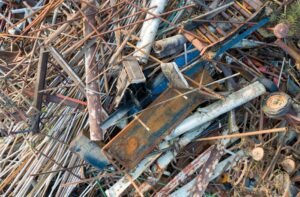
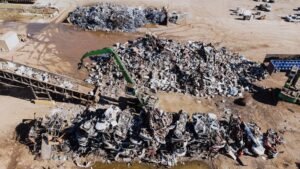
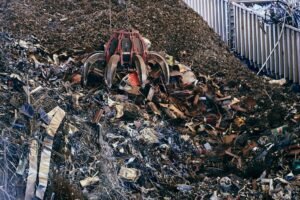
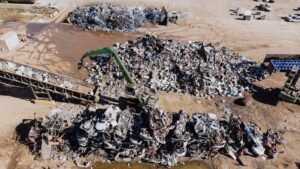
Once de-polluted, the vehicle is stripped of high-value non-ferrous metals. This includes aluminum engine blocks, alloy wheels, and copper wiring harnesses. The remaining steel shell is then processed for smelting. By engaging with a reputable scrap metal trading platform, sellers can stay updated on the fluctuating LME (London Metal Exchange) prices, ensuring they receive a fair market rate for their bulk scrap. The efficiency of the Kurri Kurri facility ensures that the throughput of metal is high, which often translates to more competitive pricing for those selling scrap cars.
The Global Reach of Australian Auto Parts
It is a common misconception that all scrap stays local. In reality, the automotive recycling industry is a global powerhouse. Components that may be considered “scrap” in Australia often have high demand in emerging markets where older vehicle models are still widely used. This is particularly true for heavy machinery and commercial vehicle parts. Many operators in the Hunter region, including those associated with sgs auto parts kurri, understand the logistics of international trade.
Businesses that specialize in bulk recovery often Sell Scrap Machinery Parts To Overseas Buyers to capitalize on global price variations. This export market includes everything from diesel engine blocks to hydraulic cylinders. By maintaining high standards of cleaning and documentation, Australian recyclers can command premium prices in the international market. This global connectivity ensures that the local industry remains resilient even when domestic demand fluctuates.
Technical Standards in Automotive Dismantling
The technical precision required at a facility like sgs auto parts kurri cannot be overstated. Modern vehicles are constructed with a variety of materials including boron steel, carbon fiber, and various plastics. Dismantlers must be trained to identify these materials to prevent cross-contamination in the recycling stream. For instance, mixing aluminum with stainless steel can significantly reduce the value of a scrap load.
Furthermore, the rise of Electric Vehicles (EVs) and Hybrid Electric Vehicles (HEVs) has introduced new challenges. Handling high-voltage lithium-ion batteries requires specialized equipment and certification. As an industry leader, the Kurri Kurri site is constantly updating its protocols to handle these new technologies safely. This commitment to safety and technical excellence is a hallmark of a professional Australian recycling marketplace participant. By adhering to these standards, they ensure that the Hunter Valley remains at the forefront of the green industrial revolution.
How to Buy and Sell Effectively at SGS Kurri
For those looking to engage with the services at Kurri Kurri, preparation is key. If you are buying parts, having your VIN (Vehicle Identification Number) or the specific part OEM number is essential. This ensures compatibility, especially with the frequent mid-model updates seen in brands like Holden, Ford, and Toyota. The inventory at sgs auto parts kurri is vast, but precision in ordering saves time and reduces the need for returns.
If you are selling a vehicle for scrap, ensure you have the proper proof of ownership. While the physical metal is valuable, the legal paperwork is equally important for the recycler to process the vehicle correctly through the state’s registry. Removing personal belongings and, if possible, aftermarket accessories can also streamline the process. Many sellers find that by being organized, they can negotiate better rates, particularly if they are delivering the vehicle to the yard themselves rather than requiring a towing service.
The Future of Auto Recycling: 2026 and Beyond
Looking ahead, the landscape of automotive recycling is set to transform. We are seeing a shift toward “smart dismantling,” where AI and robotics are used to identify and sort materials with greater speed and accuracy. The data collected by facilities like sgs auto parts kurri will play a role in how future vehicles are designed—a concept known as “Design for Disassembly.” Manufacturers are starting to realize that making cars easier to recycle at the end of their life is not just an environmental goal, but an economic one.
The integration of digital marketplaces will also continue to grow. No longer do buyers need to walk through rows of cars in the mud; digital inventory systems allow for real-time searching and shipping. This modernization ensures that the scrap metal and used parts industry remains a professional, high-tech sector of the Australian economy. As we move toward 2026, the emphasis will be on total material recovery, where even the glass and plastics from a vehicle are diverted from landfills and turned into new products.
Conclusion: Why Choose Professional Recycling?
In conclusion, sgs auto parts kurri represents the best of the Australian automotive recycling industry. By combining local expertise with global standards, they provide a service that benefits the environment, the economy, and the consumer. Whether you are a mechanic looking for a rare engine component, a scrap trader looking for the best copper prices, or a car owner needing to dispose of an old vehicle, professional facilities offer a level of security and value that “backyard” operations simply cannot match.
The next time you consider the lifecycle of a vehicle, remember that the end of the road for a car is just the beginning of a new journey for its materials. Through the dedicated work of dismantlers in Kurri Kurri and the wider Hunter region, we are building a more sustainable future, one part at a time. By supporting these local businesses and utilizing professional trading platforms, you are contributing to a robust, ethical, and efficient recycling ecosystem in Australia.
Frequently Asked Questions
What types of vehicles does SGS Auto Parts Kurri accept?
They accept a wide range of vehicles, including passenger cars, 4x4s, light commercials, and even some heavy machinery. Whether the vehicle is damaged, non-running, or simply old, they provide a path for responsible recycling and parts recovery.
Can I find parts for older car models at the Kurri Kurri facility?
Yes, SGS Auto Parts Kurri maintains a diverse inventory that often includes components for older and discontinued models. It is recommended to contact them with your specific make, model, and year to verify current stock availability.
How does SGS ensure the quality of their used auto parts?
Each part is carefully removed by professional dismantlers and undergoes a thorough visual inspection. Many mechanical and electrical components are tested for functionality before being cataloged in their inventory system to ensure customer satisfaction.
Does SGS Auto Parts Kurri offer eco-friendly disposal?
Absolutely. The facility adheres to strict environmental regulations, ensuring that all hazardous fluids, batteries, and tires are disposed of or recycled through approved channels to prevent environmental harm in the Hunter Valley region.