
Sheet metal stainless is a critical material in Australia’s recycling economy, valued for its corrosion resistance and versatility. This guide explores everything from alloy specifications to sustainable recycling practices, ensuring you maximize value from sheet metal stainless scrap.
Understanding Sheet Metal Stainless: Key Properties and Uses
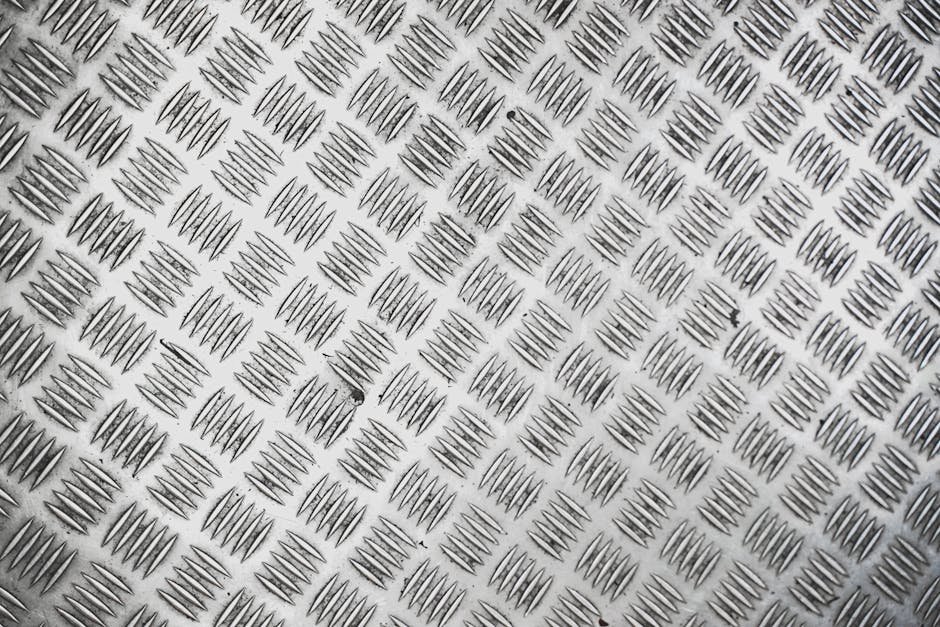
Sheet metal stainless refers to thin, flat pieces of stainless steel, typically 0.5mm to 6mm thick. It’s categorized by its alloy composition, with 304 stainless and 316 stainless being the most common. These non-ferrous alloys contain chromium, nickel, and molybdenum (in 316), offering resistance to rust, heat, and chemical exposure. Applications range from food processing equipment to architectural cladding and automotive components.
304 Stainless vs. 316 Stainless: Choosing the Right Alloy
304 stainless (18% chromium, 8% nickel) is the most widely traded alloy due to its balance of durability and cost. It’s suitable for indoor environments and general-purpose applications. 316 stainless, with added molybdenum, excels in marine environments and chemical processing. When recycling, distinguish these alloys by magnetic testing: 304 is non-magnetic after annealing, while 316 remains slightly magnetic. Learn more about 316 stainless steel sheet metal for precise identification techniques.
Industries Driving Sheet Metal Stainless Demand
- Construction: Roofing, fencing, and structural supports
- Manufacturing: Conveyor systems and storage tanks
- Renewable Energy: Solar panel frames and wind turbine components
- Transportation: Railcar interiors and truck bed liners
These sectors generate significant stainless steel scrap annually, making recycling a lucrative opportunity. Sell Scrap Metal Near Me In 2026 to connect with local buyers.
Why Recycle Sheet Metal Stainless? Environmental and Economic Benefits
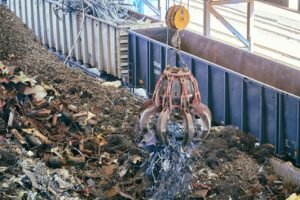
Recycling sheet metal stainless conserves natural resources: producing new stainless requires mining 10x more iron ore than recycling. Environmentally, stainless recycling saves 70% of the energy needed for virgin production. Economically, Australia’s 2023 recycling rate reached 68%, with stainless scrap prices averaging $2,200/tonne for 304-grade. Scrap Metal Recycling Near Me services streamline the process from collection to payment.
Preparing Sheet Metal Stainless for Sale
Follow these steps to maximize your return:
- Sort by Alloy: Separate 304 from 316 using visual inspection or XRF testing.
- Clean Contaminants: Remove coatings, dirt, or foreign metals that lower purity.
- Bundle Efficiently: Flatten sheets or coil metal coil scrap sheet metal in coil form for easier handling.
Finding the Best Buy-Back Programs in Australia
Platforms like Scrap Trade offer transparent pricing and instant quotes. Compare offers from multiple buyers, considering factors like:
- Payment turnaround speed
- Minimum shipment requirements
- Transportation costs
For small-scale sellers, ScrapTrade.com.au provides mobile collection services in major cities including Sydney, Melbourne, and Brisbane.
Future of Stainless Steel Recycling in Australia
Government initiatives like the National Waste Policy Action Plan aim to boost recycling rates to 80% by 2030. Innovations in steel sheet stainless recycling include:
- AI-based sorting systems for alloy identification
- Hydrogen-based smelting to reduce carbon footprints
- Blockchain tracking for scrap metal provenance
Conclusion: Maximizing Value from Sheet Metal Stainless
Sheet metal stainless recycling is a cornerstone of Australia’s circular economy. By understanding alloy grades, maintaining metal quality, and leveraging modern recycling platforms, traders can turn sheet metal stainless into sustainable profits while reducing environmental impact.
Related: steel sheet stainless
Frequently Asked Questions
What’s the difference between 304 and 316 stainless steel?
304 stainless contains 18% chromium and 8% nickel, while 316 adds 2-3% molybdenum for enhanced corrosion resistance. 316 is preferred for marine environments.
How can I identify stainless steel sheet metal?
Use a magnet test: 304 stainless is non-magnetic after annealing, while 316 may show slight magnetism. Confirm with a stainless steel testing kit for accuracy.
What’s the best way to prepare stainless steel scrap for sale?
Sort by alloy grade, clean off contaminants, and bundle sheets or coils neatly. Sell Metal Coil Scrap Sheet Metal In Coil Form for efficient handling.
Why should I recycle stainless steel rather than disposing of it?
Recycling saves 70% of the energy required to produce new stainless steel and prevents valuable non-ferrous metals from entering landfills.