
Sheet of stainless steel is a critical material in industries ranging from food processing to aerospace. This guide provides an in-depth exploration of stainless steel sheets, their grades, applications, and recycling value. Whether you’re a buyer, seller, or manufacturer, understanding sheet of stainless steel ensures informed decisions in a competitive market.
Understanding Sheet of Stainless Steel
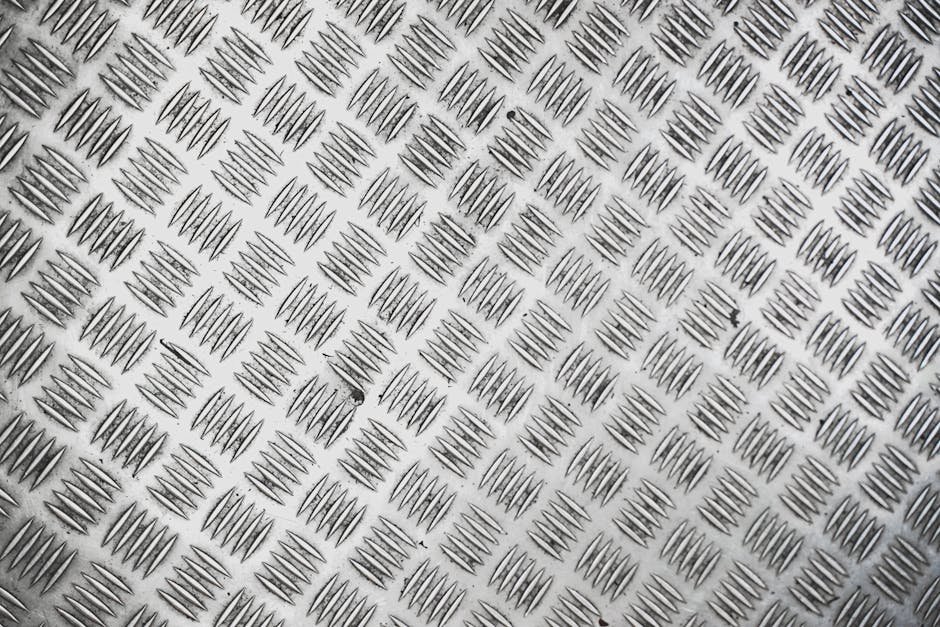
Sheet of stainless steel refers to flat, thin pieces of stainless steel formed through rolling processes. These sheets are categorized by thickness, width, and grade. Unlike ferrous metal like mild steel, stainless steel contains chromium for corrosion resistance. Common thicknesses range from 0.5mm to 6mm, with widths up to 1500mm. The material’s versatility makes it ideal for both structural and decorative applications.
Key properties include high tensile strength, thermal conductivity, and resistance to oxidation. For example, 304 stainless is widely used for its balance of durability and cost-effectiveness, while 316 stainless is preferred for harsh environments due to its molybdenum content. stainless steel 316 sheet is often found in chemical processing equipment and marine hardware.
Grades of Stainless Steel Sheets
Stainless steel sheets are classified into three main families: austenitic (300 series), ferritic (400 series), and martensitic (400 series). 304 stainless (AISI 304) constitutes 50% of global stainless steel usage, while 316 stainless (AISI 316) is favored for its chloride resistance. Here’s a breakdown:
- Austenitic (300 series): Non-magnetic, formable. Includes 304 (18% chromium, 8% nickel) and 316 (adds 2% molybdenum).
- Ferritic (400 series): Magnetic, lower nickel content. Used in automotive exhaust systems.
- Martensitic (400 series): Hardenable via heat treatment. Common in cutlery and turbine blades.
Identifying grades is crucial for recycling. 304 stainless is typically magnetic due to cold working, while 316 stainless remains non-magnetic. Testing methods like spark testing or magnetic checks help differentiate grades before selling stainless steel scrap to platforms like Scrap Trade.
Industrial and Commercial Applications
Sheet of stainless steel is integral to modern infrastructure. In construction, 304 sheets form roofing, cladding, and structural components. Food processing plants rely on 316 sheets for hygienic surfaces in dairy equipment and beverage tanks. Automotive industries use ferritic sheets for exhaust systems, while the electronics sector employs ultra-thin sheets for circuit boards.
Recent trends show increased demand for stainless steel sheet prices in renewable energy projects, particularly solar panel frames and wind turbine components. stainless steel sheet prices fluctuate based on global demand, with Australia’s recycling sector playing a key role in managing surplus materials.
Recycling and Scrap Value
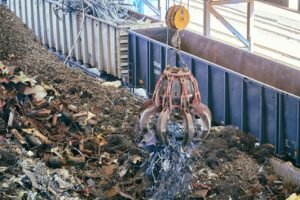
Recycling sheet of stainless steel is both economically and environmentally beneficial. The process involves sorting grades, melting in electric arc furnaces, and casting into new products. Stainless Steel Recycling How To Sell Scrap For Maximum Profit provides actionable steps for sellers, including:
- Sorting by grade to avoid contamination
- Cleaning surfaces to remove coatings
- Using Stainless Steel Scrap Calculator Estimate Your Material Value to determine payouts
Current steel price per tonne impacts scrap value. For example, 316 stainless scrap can fetch 20-30% more than 304 due to molybdenum content. Regularly checking Stainless Steel Scrap Price updates ensures sellers optimize returns.
Buying and Selling Strategies
For buyers, sourcing sheet of stainless steel requires verifying grade, thickness, and finish. Suppliers like Scrap Trade Australia offer certified materials with traceability. Sellers should consider:
- Partnering with local scrap steel recyclers for bulk sales
- Negotiating based on steel price per tonne indices
- Exploring online platforms for transparent pricing
For instance, a 1-tonne batch of 304 stainless sheets could generate $1,200–$1,500 depending on market conditions. Using stainless steel scrap calculators helps compare offers from multiple buyers.
Market Trends and Future Outlook
The global stainless steel scrap market is projected to grow at 5.2% CAGR through 2030, driven by infrastructure development and circular economy policies. In Australia, the shift toward sustainable manufacturing has boosted demand for recycled sheet of stainless steel. Innovations like thin-gauge sheets for electronics and nano-coatings for corrosion resistance are emerging trends.
Recyclers must stay ahead by adopting digital tools. The Scrap Calculator and real-time pricing tools help navigate volatile markets. For example, the 316 stainless price per kilogram rose 12% in 2023 due to increased chemical industry activity.
Practical Tips for Handling Stainless Steel Sheets
Handling sheet of stainless steel requires care to prevent scratches and warping. Key tips include:
- Use acid-resistant gloves when cutting to avoid skin contact.
- Store indoors to prevent oxidation from humidity.
- Label sheets by grade to avoid confusion during recycling.
For scrap preparation, cut sheets into manageable sizes for easier loading. A 2m x 1m sheet of 304 stainless should be cut into 0.5m sections for efficient transport. Always verify local regulations for scrap metal disposal via platforms like Scrap Trade.
Conclusion
Sheet of stainless steel remains indispensable due to its durability and recyclability. Whether you’re managing a manufacturing plant or selling surplus materials, understanding grades, pricing, and recycling processes is essential. By leveraging tools like Stainless Steel Scrap Price and engaging with trusted recyclers, you can maximize value and sustainability in the stainless steel supply chain.
Frequently Asked Questions
What’s the difference between 304 and 316 stainless steel sheets?
304 stainless contains 18% chromium and 8% nickel, while 316 stainless adds 2% molybdenum for enhanced chloride resistance. 316 is preferred for marine and chemical environments.
How do I identify the grade of a stainless steel sheet?
Use a magnetic test: 304 is slightly magnetic after cold working, while 316 remains non-magnetic. For precise identification, send samples to a lab or use a handheld spectrometer.
Where can I sell stainless steel scrap in Australia?
Platforms like Scrap Trade and Scrap Trade Australia offer competitive rates. Check Stainless Steel Scrap Price for real-time market values.
How does the Stainless Steel Scrap Calculator work?
The calculator estimates value based on sheet dimensions, grade, and current steel price per tonne. Input weight and grade for an instant quote.