
The term sheet stainless steel refers to thin, flat-rolled stainless steel products typically ranging from 0.5mm to 6mm in thickness, used across a wide range of industrial, commercial, and residential applications. This guide provides a comprehensive overview of sheet stainless steel, covering its properties, common grades, applications, recycling value, and how to maximize returns when selling scrap. As a core material in modern manufacturing and infrastructure, understanding the nuances of sheet stainless steel—including its distinction from mild steel and ferrous metal—is essential for engineers, contractors, recyclers, and procurement professionals across Australia.
What Is Sheet Stainless Steel and How Is It Made?
Sheet stainless steel is a form of steel product manufactured through a rolling process that reduces the thickness of raw steel slabs into flat, uniform sheets. The production begins with molten steel alloyed with chromium (minimum 10.5%) and often nickel, molybdenum, and other elements to enhance corrosion resistance and mechanical properties. This alloy is first cast into slabs, then reheated and passed through roughing and finishing mills to achieve the desired gauge. After rolling, the sheet may undergo annealing (heat treatment) and pickling (acid cleaning) to remove scale and improve surface finish.
Unlike mild steel, which contains a low carbon content and lacks chromium, sheet stainless steel resists rust and staining due to the formation of a passive chromium oxide layer on its surface. This makes it ideal for environments exposed to moisture, chemicals, or high hygiene standards. The thickness of sheet stainless steel is commonly measured in gauges or millimeters, with thinner gauges (e.g., 24–18) used in decorative or lightweight applications, and thicker gauges (12–10) used in structural or industrial settings.
The manufacturing process also determines the surface finish—ranging from 2B (standard cold-rolled finish) to BA (bright annealed) or No. 4 (brushed finish)—which impacts both aesthetics and functionality. These finishes are critical in architectural cladding, kitchen equipment, and pharmaceutical processing, where appearance and cleanability are paramount.
Common Grades of Sheet Stainless Steel: 304 vs 316
The performance and application of sheet stainless steel are largely determined by its alloy composition. Two of the most widely used grades in Australia are 304 stainless and 316 stainless, each suited to different environmental and mechanical demands.
304 stainless steel (also known as A2 stainless) contains 18% chromium and 8% nickel, offering excellent corrosion resistance in a wide range of environments. It is the most common grade of stainless steel and is used extensively in kitchen sinks, benches, food processing equipment, storage tanks, and architectural applications. Its versatility, formability, and relatively lower cost make it a preferred choice for indoor and mildly corrosive outdoor environments.
316 stainless steel, on the other hand, includes an additional 2–3% molybdenum, significantly enhancing its resistance to chlorides and acids. This makes it ideal for marine environments, coastal construction, chemical processing, and medical implants. For example, the use of stainless steel sheet 316 is standard in offshore platforms, desalination plants, and high-salinity regions where 304 would corrode prematurely. In Australia, where coastal exposure is widespread, 316 is often specified in building codes for structures within 5 km of the ocean.
Other grades include 430 (ferritic, lower cost, less corrosion-resistant), 201 (manganese-substituted, cost-saving alternative), and duplex grades (e.g., 2205) for high-stress, high-corrosion environments. Selecting the correct grade is crucial not only for performance but also for scrap value, as higher-alloy grades command premium prices in the recycling market.
Applications of Sheet Stainless Steel in Industry and Construction
Sheet stainless steel is a cornerstone material in numerous Australian industries due to its durability, hygiene, and aesthetic appeal. Its applications span across:
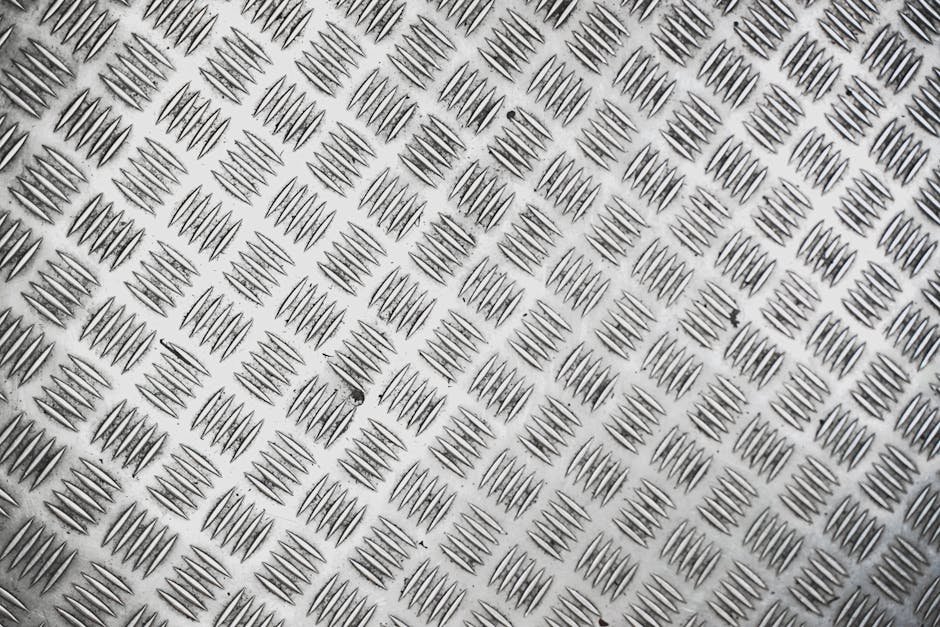
- Construction and Architecture: Used in roofing, cladding, balustrades, and façades, especially in commercial buildings and high-rises. Its resistance to weathering and low maintenance make it ideal for long-term installations. Architects often specify brushed or patterned steel sheet stainless finishes for visual impact.
- Food and Beverage Processing: Fabricated into workbenches, conveyors, storage silos, and pasteurization equipment. The non-porous surface prevents bacterial growth, meeting strict health and safety standards (e.g., HACCP, AS 1677).
- Pharmaceutical and Medical Equipment: Used in cleanrooms, surgical tools, and drug manufacturing systems due to its sterility and resistance to cleaning agents.
- Transport and Marine: Employed in shipbuilding, rail car interiors, and truck bodies, particularly in coastal or salt-spray environments where 316 stainless is essential.
- Energy and Infrastructure: Found in solar panel frames, water treatment plants, and LNG facilities, where longevity under harsh conditions is required.
In manufacturing, sheet metal fabrication techniques such as laser cutting, CNC bending, and TIG welding are used to transform flat sheets into complex components. The recyclability of these fabricated products at end-of-life ensures that even custom-engineered parts contribute to the circular economy as stainless steel scrap.
Recycling Sheet Stainless Steel: Value, Process, and Environmental Impact
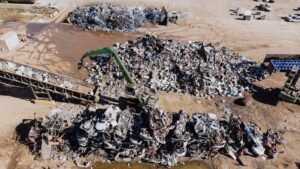
One of the most sustainable aspects of sheet stainless steel is its high recyclability. Stainless steel can be recycled indefinitely without loss of quality, making it a prime candidate for closed-loop recycling. In Australia, over 90% of stainless steel is recovered at end-of-life, contributing significantly to resource efficiency and reduced carbon emissions.
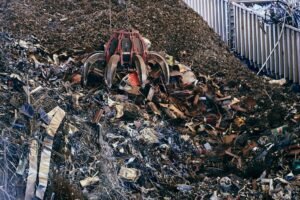
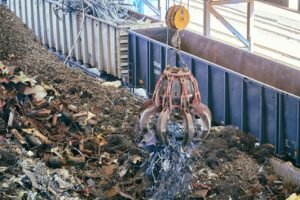
The recycling process begins with collection and sorting. Scrap steel is separated from other materials using magnetic tests—since stainless steel is generally non-magnetic (except for ferritic and martensitic grades), it can be distinguished from ferrous metal such as mild steel. Accurate sorting is critical because contamination lowers the value and quality of the recycled melt.
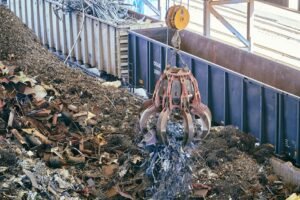
Once sorted, the material is shredded or sheared into manageable pieces and melted in an electric arc furnace (EAF). The molten metal is refined, alloyed to specification, and cast into new billets or slabs—closing the loop in the production cycle. This process uses up to 70% less energy than primary steelmaking from iron ore, significantly reducing greenhouse gas emissions.
From an economic perspective, recycling sheet stainless steel offers tangible financial returns. The value of stainless steel scrap depends on grade, condition, and market demand. For instance, clean, sorted 316 scrap fetches a higher price per tonne than mixed or contaminated loads. Businesses can leverage tools like the Stainless Steel Scrap Calculator Estimate Your Material Value to project revenues before delivery to a recycling facility.
Understanding Sheet Stainless Steel Scrap Value and Market Pricing
The financial return from recycling sheet stainless steel is directly tied to global commodity markets, particularly nickel and chromium prices, which are key alloying elements. As such, the steel price per tonne for stainless scrap fluctuates based on supply chain dynamics, mining output, and industrial demand in regions like China, Europe, and North America.
In Australia, scrap yards typically quote prices based on the following categories:
- 304 Stainless Scrap: Often referred to as “A2” or “18/8”, this is the most common grade and forms the baseline for pricing. As of 2024, clean 304 scrap ranges from $1,800 to $2,400 per tonne, depending on location and market conditions.
- 316 Stainless Scrap: Due to its molybdenum content, 316 commands a premium—typically 20–30% higher than 304. Prices range from $2,300 to $3,000 per tonne for clean, uncoated material.
- Mixed Stainless Scrap: Unsorted or contaminated loads are priced lower, sometimes as low as $1,000–$1,500 per tonne, due to processing costs and yield loss.
These figures are dynamic and updated weekly or monthly by recyclers. To stay informed, stakeholders should consult the Stainless Steel Scrap Price page for current Australian market rates. Additionally, regional variations exist—urban centers like Sydney and Melbourne often offer higher prices due to competition among scrap processors.
It’s important to note that “clean” scrap refers to material free of coatings, oils, attachments (e.g., plastic, rubber), or non-stainless fasteners. Removing these contaminants can significantly increase the value per tonne. For example, a sheet with aluminum rivets or paint may be downgraded or rejected outright by some facilities.
Best Practices for Selling Sheet Stainless Steel Scrap for Maximum Return
To maximize profitability when recycling sheet stainless steel, follow these expert-recommended practices:
- Sort by Grade: Separate 304 from 316 and other alloys. Use a material test report (MTR) or XRF (X-ray fluorescence) analyzer if available. Misgraded material reduces trust with recyclers and can lead to payment disputes.
- Clean the Material: Remove dirt, grease, insulation, and non-metallic attachments. Even small amounts of contamination can trigger downgrading.
- Bundle Sheets Efficiently: Stack and strap sheets to reduce volume and handling time. Loose, tangled sheets are harder to process and may be penalized.
- Verify Buyer Credentials: Work with licensed, reputable scrap metal recyclers. Check reviews, licensing, and whether they report to the Australian Transaction Reports and Analysis Centre (AUSTRAC).
- Negotiate Based on Real-Time Data: Use up-to-date market intelligence to avoid underpricing. The Stainless Steel Recycling How To Sell Scrap For Maximum Profit guide offers negotiation strategies and red flags to watch for.
- Consider Volume and Frequency: Larger, regular shipments often qualify for better rates or pickup services. Establishing a long-term relationship with a recycler can yield pricing advantages.
Additionally, businesses should maintain records of scrap sales for auditing and sustainability reporting. Many Australian companies now include scrap recycling metrics in their corporate social responsibility (CSR) disclosures, demonstrating environmental stewardship to clients and regulators.
Environmental and Economic Benefits of Stainless Steel Recycling
Recycling sheet stainless steel delivers substantial environmental and economic benefits. Environmentally, it conserves natural resources—each tonne of recycled stainless steel saves approximately 1.1 tonnes of iron ore, 0.6 tonnes of coal, and 0.07 tonnes of limestone. It also reduces CO₂ emissions by up to 1.5 tonnes per tonne of steel recycled, contributing to Australia’s climate change mitigation goals.
From an economic standpoint, the scrap metal recycling industry supports thousands of jobs across collection, processing, logistics, and manufacturing. In 2023, Australia’s metal recycling sector was valued at over $5 billion annually, with stainless steel playing a key role due to its high intrinsic value. By responsibly recycling stainless steel scrap, businesses not only generate revenue but also support a resilient domestic supply chain less dependent on imported raw materials.
Moreover, the circular model enabled by recycling aligns with global sustainability frameworks such as the United Nations Sustainable Development Goals (SDGs), particularly SDG 12 (Responsible Consumption and Production). For Australian manufacturers, specifying recycled-content stainless steel can enhance product sustainability credentials and meet green building standards like Green Star and NABERS.
Conclusion: The Future of Sheet Stainless Steel in a Circular Economy
Sheet stainless steel remains a vital material in Australia’s industrial and construction landscape, valued for its strength, corrosion resistance, and aesthetic versatility. As awareness of sustainability and resource efficiency grows, the role of recycling in the lifecycle of stainless steel becomes increasingly critical. Understanding the differences between grades like 304 stainless and 316 stainless, the factors influencing steel price per tonne, and best practices for preparing scrap steel ensures that businesses and individuals can maximize both economic return and environmental benefit.
Platforms like Scrap.Trade, Australia’s leading online scrap metal trading network, provide transparent pricing, instant valuations, and direct connections to certified recyclers, streamlining the process of selling sheet stainless steel scrap. For those seeking expert guidance, Scrap Trade Australia offers industry insights, regulatory updates, and market analysis tailored to the Australian context.
Whether you’re a fabricator, builder, or facility manager, embracing the full lifecycle of sheet stainless steel—from initial application to end-of-life recycling—positions your operations at the forefront of sustainable industrial practice. By leveraging tools like the Stainless Steel Scrap Calculator Estimate Your Material Value and staying informed via the Stainless Steel Scrap Price tracker, you can ensure optimal outcomes in every transaction. The future of metal use in Australia is circular—and sheet stainless steel is leading the way.
Frequently Asked Questions
What is the difference between sheet stainless steel and mild steel?
Sheet stainless steel contains chromium (minimum 10.5%) and nickel, making it corrosion-resistant and non-magnetic, while mild steel is a low-carbon ferrous metal that rusts easily and is magnetic. Stainless steel is more durable and suitable for harsh environments.
How can I tell if my scrap is 304 or 316 stainless steel?
You can use an XRF analyzer for accurate identification, or perform a molybdenum test—316 contains molybdenum and resists pitting in saltwater, unlike 304. Alternatively, check for material test reports or mill markings on the sheet.
What factors affect the stainless steel scrap price per tonne?
The price is influenced by the grade (304 vs 316), market demand for nickel and chromium, material cleanliness, and geographic location. Clean, sorted 316 scrap fetches a premium over mixed or contaminated loads.
Can painted or coated sheet stainless steel be recycled?
Yes, but painted or coated material must be processed in specialized facilities that can handle off-gassing during melting. For best value, remove coatings before recycling, as contamination can reduce the steel price per tonne.