
Understanding the intricacies of sim scrap is essential for anyone looking to participate in the modern Australian metal market. Whether you are an industrial manufacturer clearing out production waste or a demolition contractor managing site clearance, the ability to categorize, process, and trade metals efficiently is a cornerstone of operational profitability. At its core, the scrap industry is about transforming end-of-life products back into high-value manufacturing inputs, a process that underpins global supply chains.
The Fundamentals of the Scrap Metal Industry
To navigate this sector, one must first grasp What Is Scrap Trade. It is not merely the disposal of junk; it is a sophisticated commodities market where materials are graded based on chemical composition, purity, and physical dimensions. When you decide to Sell Scrap, you are entering a market governed by global indices like the London Metal Exchange (LME). Prices fluctuate based on supply, demand, and the geopolitical landscape of mining regions.
The term sim scrap is often used in professional circles to denote the simulated or streamlined processing of mixed metal streams into refined, sellable grades. By optimizing the sorting process, recyclers can ensure that high-value alloys are not contaminated by lower-value ferrous metals. This precision is what separates a professional operation from a basic collection site. For those interested in the broader ecosystem, visiting our scrap metal trading platform provides real-time insights into market movements and logistics.
Categorizing Scrap: Ferrous vs. Non-Ferrous
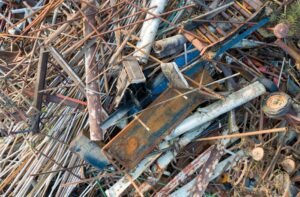
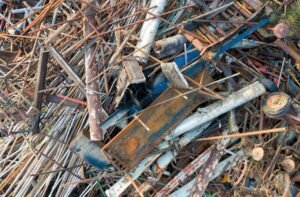
The industry divides materials into two primary categories: ferrous and non-ferrous. Ferrous metals, such as iron and steel, contain carbon and are magnetic. These are the workhorses of the construction industry. Conversely, non-ferrous metals—including aluminium, copper, lead, zinc, and brass—are highly prized for their corrosion resistance and electrical conductivity. These metals do not lose their chemical properties during the recycling process, meaning they can be recycled infinitely.
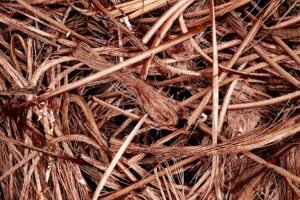
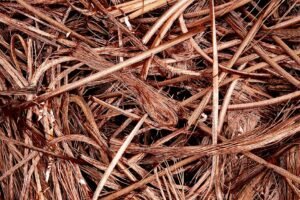
When dealing with sim scrap, operators must be adept at identifying these grades. For example, high-grade copper is categorized based on its cleanliness—bright and shiny (stripped of insulation) commands a significantly higher price than burnt or contaminated copper. Similarly, stainless steel grades are distinguished by their nickel and chromium content. Understanding these distinctions is critical for maximizing your returns when you engage with Australian metal recycling services.
The Recycling Process: From Site to Smelter
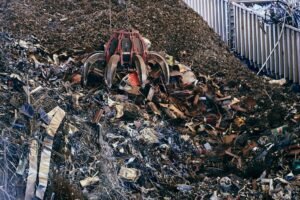
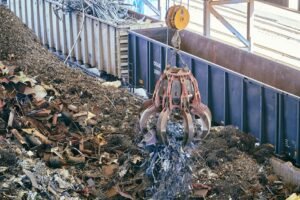
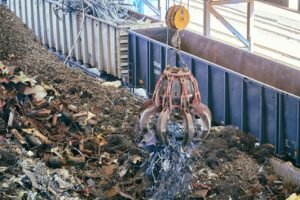
The journey of a piece of metal from a decommissioned appliance to a new car component is a marvel of industrial engineering. It begins with collection and transportation. Once the material reaches a facility, it undergoes a rigorous sorting process. This involves magnetic separation for ferrous metals, eddy current separators for non-ferrous materials, and increasingly, X-ray fluorescence (XRF) technology to determine exact elemental composition.
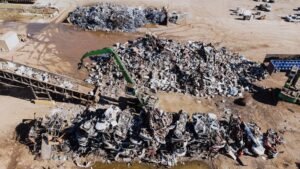
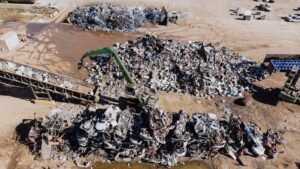
After sorting, the material is shredded or sheared to reduce its volume, making it easier to transport and melt. The processed scrap is then compressed into dense bales or briquettes. These are sent to smelters, where they are melted down and cast into ingots or billets. These refined materials are then sold back to manufacturers. This closed-loop system is the primary reason why recycling is more energy-efficient than extracting virgin ore. For those looking for specific technical data on processing, our resources on hs scrap provide deep dives into the Harmonized System codes used for international trade.
Environmental Benefits of Metal Recycling
The environmental case for recycling is overwhelming. Extracting raw ore from the earth is an energy-intensive process that causes significant habitat destruction, water pollution, and carbon emissions. By utilizing recycled metals, we drastically reduce the need for mining. For instance, recycling aluminium saves approximately 95% of the energy required to produce the same amount of metal from bauxite ore.
Furthermore, the industry is increasingly focused on sustainable practices, often referred to as enviro scrap initiatives. These programs prioritize the removal of hazardous materials like mercury switches, lead-acid batteries, and refrigerants before the shredding process begins. By preventing these toxins from entering the environment, the recycling industry acts as a massive cleanup operation for the planet. Every tonne of Scrap that is diverted from a landfill represents a significant reduction in the carbon footprint of the manufacturing sector.
Practical Tips for Maximizing Scrap Value
If you are looking to optimize your returns, preparation is key. First, segregate your materials at the source. Mixing copper with steel or aluminium will downgrade the entire load to the price of the lowest-value metal. Keep different grades of copper (e.g., pipe, wire, busbar) in separate, clearly labeled containers.
Second, remove non-metallic attachments. Plastic casings, rubber hoses, and wood fixtures add weight but are considered contaminants. A clean load is always more valuable because it requires less labor for the recycler to process. Third, keep up with market trends. Use digital tools to track price fluctuations, and avoid selling during market dips if you have the storage capacity to hold your inventory. Consistency in your supply also helps; recyclers often provide better rates to regular, reliable suppliers who deliver clean, sorted material.
The Future of the Australian Scrap Market
The Australian scrap industry is currently undergoing a digital transformation. Traceability is becoming a standard requirement, with buyers demanding proof of the ethical and environmental origins of their raw materials. Blockchain technology is being explored to track the lifecycle of metals, ensuring that the industry remains transparent and accountable. Furthermore, as Australia moves toward a net-zero future, the role of scrap metal in building green infrastructure—such as wind turbines and electric vehicle batteries—will only grow in importance.
The integration of AI-driven sorting robots is also revolutionizing the speed and accuracy of recycling centers. These machines can identify metal alloys in milliseconds, far faster than human eyes. For businesses in Australia, staying ahead of these technological shifts is vital. Companies that invest in better sorting infrastructure today will be the market leaders of tomorrow, benefiting from higher purity outputs that command premium prices in the global export market.
Regulatory Compliance and Safety
Operating within the Australian scrap sector requires strict adherence to environmental and safety regulations. Facilities must manage runoff to prevent heavy metal contamination of soil and water. Additionally, the handling of scrap metal involves significant risks, including heavy machinery operations, sharp materials, and potential exposure to hazardous substances. Comprehensive safety training and the use of personal protective equipment (PPE) are non-negotiable.
Regulatory bodies also monitor the trade of scrap to prevent the sale of stolen goods. Reputable recyclers maintain detailed records of transactions, including seller identification. This not only keeps the industry legal but also protects the reputation of the trade. By working with certified and compliant partners, you ensure that your materials are handled responsibly and that you are protected from any legal liabilities associated with improper disposal or trade practices.
Conclusion: Embracing the Circular Economy
The scrap metal industry is far more than a collection of junkyards; it is a sophisticated, technology-driven sector that serves as the backbone of the global circular economy. By understanding the nuances of material grades, the efficiency of the recycling process, and the environmental imperatives of our time, participants can contribute to a more sustainable future while realizing significant economic value.
Whether you are a small business owner or a large industrial firm, your participation in the scrap market is a vital link in the supply chain. Through meticulous sorting, adherence to environmental standards, and engagement with professional platforms, you can ensure that your metal waste is transformed into a valuable resource. As we look toward a future defined by resource scarcity and environmental stewardship, the importance of efficient metal recycling will only continue to rise. Start by evaluating your current waste streams, implementing better sorting protocols, and partnering with industry experts to turn your scrap into a strategic asset.
Frequently Asked Questions
What is the difference between ferrous and non-ferrous scrap?
Ferrous metals contain iron, are magnetic, and are commonly found in construction steel. Non-ferrous metals, such as copper, aluminium, and brass, do not contain iron, are non-magnetic, and are highly valued for their high conductivity and corrosion resistance.
Why does sorting my scrap metal matter?
Sorting your metal prevents contamination, which allows recyclers to offer you the highest possible price for each grade. Mixed loads are often valued at the lowest common denominator, significantly reducing your potential profit.
How does recycling metal help the environment?
Recycling metal drastically reduces the need for energy-intensive mining and smelting of virgin ore. It also prevents hazardous materials from entering landfills and reduces the overall carbon footprint of the manufacturing supply chain.
How can I get the best price for my scrap?
To get the best price, ensure your scrap is clean, free of non-metallic contaminants like plastic or wood, and sorted by grade. Keeping track of market trends and building a relationship with a reputable, certified recycler will also help you secure better long-term rates.