
Navigating the complex landscape of sims metal prices requires an understanding of how global industrial demand intersects with local Australian recycling infrastructure. As one of the largest metal recyclers globally, Sims Metal sets a benchmark for the industry, but their pricing is rarely static. Whether you are a trade contractor, a demolition expert, or a household recycler, understanding how these values are derived is the first step toward maximizing your profit margins.
Understanding How Market Rates Influence Metal Prices
The global commodities market is the primary driver behind the rates you see at any given yard. Because metal is a globally traded commodity, the price per tonne is pegged to the London Metal Exchange (LME). When you search for Scrap Metal Prices, you are essentially looking at a snapshot of a highly volatile market. Factors such as geopolitical stability, mining output in South America, and manufacturing demand in Asia all ripple down to the local Australian market.
When companies like Sims Metal set their daily buying rates, they must account for the cost of processing, logistics, and the eventual sale of refined material to mills. This is why the price per kg you receive at the gate is usually a ‘net’ price—it reflects the market value minus the operational costs required to turn your scrap into a usable industrial resource. For those tracking Metal Prices, it is essential to realize that the price you see on a ticker is for refined, high-grade material, not necessarily the mixed scrap you might have in your trailer.
Factors Affecting the Current Market Value Per Kg
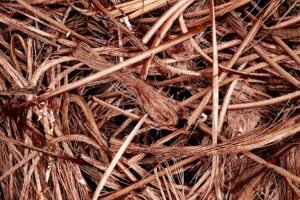
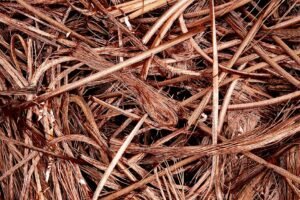
Several variables determine the final offer you receive. First and foremost is the purity and composition of the metal. High-grade copper, for instance, will always command a higher price per kg than light-gauge steel or mixed aluminium. Contamination is the enemy of value; if your copper piping is covered in insulation, plastic, or solder, the yard must spend time and energy removing those contaminants, which lowers the price they can pay you.
Another significant factor is the volume of your load. Industrial-scale suppliers who provide consistent, clean, and sorted loads often negotiate a premium over the standard walk-in rate. If you are looking for Scrap Metal Prices Near Me, consider the logistics of transport. If you have a massive amount of material, the cost of fuel and time to transport the scrap to a facility like sims metal rocklea might outweigh the marginal gains of a slightly higher price per tonne at a further location. Always balance the gate price against your operational overhead.
The Role of Sims Metal in the Australian Recycling Ecosystem
Sims Metal operates as a cornerstone of the circular economy in Australia. Their ability to aggregate massive quantities of scrap allows them to influence local market conditions. When researching scrap metal prices sims, you are looking at a market leader that dictates the baseline for many smaller independent yards. Their pricing transparency is a service to the industry, helping recyclers understand the reality of the current commodity cycle.
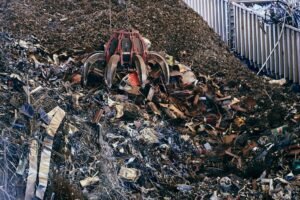
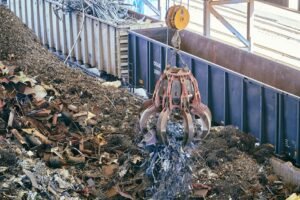
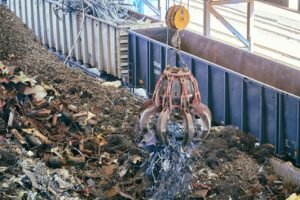
The recycling process at these facilities is rigorous. Once metal is weighed and purchased, it undergoes sorting, shredding, and cleaning. The resulting scrap is then sold to steel mills and foundries to be transformed into new products. This cycle is why the Scrap.trade platform is such a vital resource for those looking to stay informed. By keeping track of these shifts, you ensure that you aren’t leaving money on the table when the market trends upward.
Maximizing Your Returns: Practical Tips for Sellers
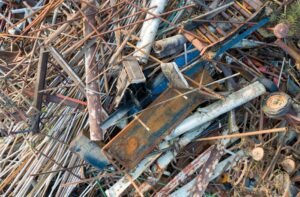
To get the best price for your scrap, preparation is key. Start by segregating your metals. Mixing aluminium with steel or brass with copper will result in the yard paying you the rate for the lowest-value metal in the pile. By sorting your metals into distinct categories—ferrous vs. non-ferrous—you demonstrate that you have high-quality material ready for immediate processing.
Furthermore, timing your sales can be beneficial. While it is impossible to time the market perfectly, observing trends over a month can give you an idea of whether prices are trending up or down. If you have the storage capacity, holding onto your scrap during a market dip might be a strategic move. However, always weigh the cost of storage and potential degradation against the expected price increase. For more professional advice on how to manage your scrap inventory, visit Scraptrade.com.au to learn about industry best practices.
The Difference Between Ferrous and Non-Ferrous Pricing
Understanding the distinction between ferrous and non-ferrous metals is critical for any serious recycler. Ferrous metals, such as iron and steel, contain iron and are magnetic. These are typically sold in higher volumes but at a lower price per tonne. Non-ferrous metals, which include copper, aluminium, brass, lead, and stainless steel, do not contain iron and are generally much more valuable.
Because non-ferrous metals are more resistant to corrosion and are highly sought after for their conductivity and malleability, their price per kg is significantly higher. When monitoring sims metal prices, you will notice that copper and aluminium fluctuate more frequently due to their heavy use in electronics and construction. Keeping a close eye on these specific markets will allow you to make better decisions about when to sell your high-value inventory.
Logistics and Yard Selection
Not all yards are created equal. When choosing where to drop off your scrap, consider the facility’s proximity, their scale equipment, and their payment terms. A facility that uses certified, regularly calibrated weighbridges is essential for ensuring you are paid accurately for your weight. If you are dealing with large, recurring loads, establishing a relationship with a specific yard manager can lead to better service and more competitive pricing structures.
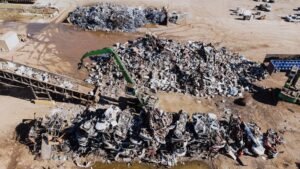
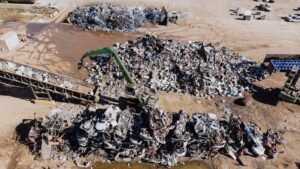
For those located in specific regions, such as Queensland, knowing the local capacity of facilities like the one at Rocklea is vital. Large facilities have the machinery to process bulky items like car bodies or heavy industrial beams, whereas smaller yards might only handle specific types of scrap. Always call ahead if you have non-standard items to ensure they have the equipment to handle your load safely and efficiently.
Future Trends in Metal Recycling
The future of the scrap industry is increasingly tied to global sustainability goals. As manufacturers face pressure to reduce their carbon footprint, the demand for high-quality recycled metal is skyrocketing. This shift is likely to put upward pressure on prices over the long term as recycled metal becomes a preferred alternative to virgin ore. Innovations in sorting technology, such as X-ray fluorescence (XRF) and automated optical sorting, are also making it easier for yards to process complex scrap, potentially leading to better pricing for sellers who provide clean, sorted materials.
Staying educated on these technological shifts will give you an edge. As the market matures, the gap between ‘junk’ and ‘resource’ continues to shrink. By viewing your scrap metal as a valuable commodity rather than waste, you position yourself to take advantage of the evolving market dynamics that define the modern recycling industry.
Conclusion
Navigating the world of scrap metal requires diligence, strategy, and a commitment to quality. By understanding how sims metal prices function and staying informed about global market trends, you can move from being a casual recycler to a strategic seller. Whether you are dealing in copper, aluminium, or steel, the principles of sorting, timing, and choosing the right partner remain the same. Use the resources provided here and across our platform to ensure your next trip to the scrap yard is as profitable as possible.
Frequently Asked Questions
How often do scrap metal prices change?
Scrap metal prices can change daily based on global commodity market fluctuations, supply and demand, and currency exchange rates. It is recommended to check current rates on the day you plan to sell.
Why is my scrap metal worth less than the market price?
The price you receive at a yard is a ‘gate price,’ which accounts for processing, logistics, and the cost of removing contaminants. Market prices typically refer to pure, refined material, whereas scrap often requires significant effort to clean and sort.
What is the most valuable scrap metal to collect?
Non-ferrous metals like copper, brass, and high-grade aluminium typically command the highest prices per kilogram. These materials are in high demand for their conductivity and recyclability.
Does the volume of my scrap affect the price?
Yes, larger volumes of clean, sorted scrap can often qualify for better pricing tiers. Building a consistent relationship with a yard and providing high-quality, sorted loads is the best way to negotiate better rates.