
Understanding sims scrap metal prices is critical for every Australian tradie, factory manager or renovator who wants to turn waste into cash. This definitive guide explains how market rates are set, what drives daily fluctuations, how grades are classified, and the recycling journey from your bin to billet. Whether you want the latest Scrap Metal Prices or need to locate the best Scrap Metal Prices Near Me, you will find actionable data here.
1. Current Sims Scrap Metal Prices in Australia (Price per kg & per tonne)
Quotes shown below are ex-yard Melbourne, GST inclusive and valid for the current week. Always confirm Current Scrap Metal Prices before you haul material in. Prices move in $AUD per tonne; divide by 1,000 to obtain price per kg.
- Grade 1 copper (bare bright): $8.30 kg / $8,300 t
- Grade 2 copper (burnt / pipe): $7.40 kg / $7,400 t
- Domestic copper wire (plastic): $5.80 kg / $5,800 t
- 6063 Aluminium extrusion: $2.15 kg / $2,150 t
- Aluminium cast: $1.30 kg / $1,300 t
- Lead wheel weights: $1.20 kg / $1,200 t
- Stainless 304 solids: $1.80 kg / $1,800 t
- Stainless 316 solids: $2.40 kg / $2,400 t
- Brass (solids & turnings): $4.30 kg / $4,300 t
- Light steel / tin: $0.20 kg / $200 t
- Heavy steel (>6 mm): $0.28 kg / $280 t
- Cast iron: $0.25 kg / $250 t
- Car bodies: $0.18 kg / $180 t
- Electric motors: $0.55 kg / $550 t
- Aluminium radiators: $1.55 kg / $1,550 t
- Copper radiators: $3.00 kg / $3,000 t
Keep in mind that yard operators apply deductions for contaminants. A single copper pipe stuffed with solder can drop you an entire grade and cost thousands per tonne. For Melbourne-specific data, check sims scrap metal prices melbourne.
2. How Daily Market Rates Are Set (and Why They Swing)
Many sellers assume yards pluck numbers from thin air. In reality, sims scrap metal prices follow a transparent three-step process:
Step 1 – London Metal Exchange (LME)
Global non-ferrous contracts—copper, aluminium, nickel, zinc—trade on the LME in USD. Australian dealers convert the three-month settlement price into AUD at the prevailing exchange rate. A 1% move in copper can shift the scrap price ~8c per kg overnight.
Step 2 – Steel & Iron Ore Indexes
Ferrous grades track iron ore futures on the Singapore Exchange and Turkish import HMS (Heavy Melting Steel) benchmarks. When Turkish mills raise bid prices for 80/20 HMS, Australian heavy steel follows within 48 hours.
Step 3 – Domestic Yard Variables
Freight, energy, labour and inventory levels add or subtract up to 15% on published numbers. If the yard is full of copper, expect a lower gate price; if they have a vessel sailing next week, rates improve.
Because these inputs refresh continuously, the market rate you receive at 8 a.m. can differ by afternoon. Bookmark scrap metal prices sims for the latest SMS alert service.
3. Scrap Metal Grades Explained: Why Copper Isn’t Always Copper
Incorrect classification is the #1 reason people get under-paid. Each grade has a strict specification set by the Institute of Scrap Recycling Industries (ISRI). Below are the categories Australian yards use most:
Copper
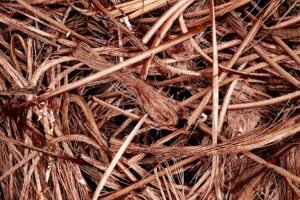
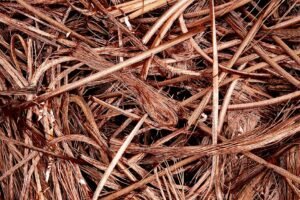
- Bare Bright (Millberry): No plating, no varnish, no smaller than 16 AWG wire. Minimum 99.9% copper.
- #1 Copper: Clean pipe, bus bar, clippings; paint or solder <1%.
- #2 Copper: Painted, tinned or soldered pipe, burnt wire >12 mm diameter.
- #2 Wire (Candy): Plastic-insulated copper wire with >35% recovery.
- Degradaded Wire (Daisy): Copper <25% recovery; often pays aluminium price.
Aluminium
- 6063 Extrusion: Window frames, no steel, no plastic.
- 6061 Extrusion: Structural; priced 10–15 c below 6063.
- Cast (Twitch): Auto parts, lawn-mower housings; must be free of magnesium.
- Old Sheet (Taint/Tabor): Mixed low-copper sheet, max 5% organics.
Steel
- HMS 1: Thickness ≥6 mm, length ≤1.5 m, no re-rolling scrap.
- HMS 1&2 (80/20): Mixed HMS, 20% lighter gauge allowed.
- Plate & Girder (P&G): Clean structural, no attachments >2%.
- Shred (Fragment): Auto shred, density ≥0.8 t m³ after shredder.
If you separate upfront, you avoid cross-contamination penalties and pocket the highest price per kg. Need help identifying an odd piece? Post a photo on ScrapTrade.com.au and get instant feedback from experienced traders.
4. What Drives Sims Scrap Metal Prices Up or Down?
Understanding macro triggers lets you time your drop-offs and maximise profit. The key drivers are:
Global Economic Growth
Copper is often called “Dr Copper” because it diagnoses global health. When China releases better-than-expected PMI figures, speculators buy futures and scrap prices rise the next morning.
USD/AUD Exchange Rate
A falling Aussie dollar makes local scrap attractive to overseas smelters. A 5% drop in AUD can add 4c per kg to aluminium extrusion without any LME change.
Energy Prices
Smelting aluminium consumes 14 MWh per tonne. When Queensland electricity spiked to $300 MWh in 2022, ingot makers widened scrap discounts to protect margins.
Shipping Rates
Container freight from Melbourne to Busan at $1,800 FEU equates to ~18c per kg of copper wire. If that rate doubles, yards drop gate prices to preserve export viability.
Inventories at Port
When Korean docks fill up, vessels delay berthing; exporters reduce purchase orders and local yards lower prices.
Policy & Regulation
NSW EPA’s 2023 decision to raise waste levy to $145 t tipped the scale toward de-hoarding; many demolition contractors off-loaded stock, temporarily depressing the market rate.
Because these forces converge daily, metal prices today can differ markedly from last week. Set up Google Alerts for “LME copper” and “AUD USD” to stay ahead of the curve.
5. The Australian Scrap Recycling Workflow (From Bin to Billet)
Recycling is more than tossing old guttering into a yard hopper. Here is the step-by-step journey once your material leaves site:
Collection & Transport
Contractors use either open-top skips for construction scrap or enclosed bins for manufacturing swarf. Transport must comply with NHVL mass limits; overloading risks a $3,800 fine.
Weighbridge & Unload
Drivers enter the weighbridge gross weight, unload, and re-weigh for tare. Net is recorded automatically in the scrap operator’s ERP and synchronised to your online account.
Visual Inspection & Grade Assignment
A trained buyer inspects for contamination, photographs the pile, and assigns an ISRI code. If copper is mixed, it defaults to the lowest grade.
Processing
- Shearing: Hydraulic shears cut HMS into 300 mm pieces for furnace baskets.
- Baling: Light steel is compacted into 50 cm cubes achieving 1.2 t m³ density.
- Shredding: Hammer mills shred cars into fist-sized fragments, separating non-ferrous via eddy current.
- Granulation: Copper wire goes through a wire chopper; plastic is removed by air table and sold to cable compounders.
Smelting / Refining
Copper scrap is melted in a TBRC (Top Blown Rotary Converter) at 1,180 °C, oxidised, and poling-grade natural gas reduces oxygen before casting 250 kg cathodes. Aluminium scrap is fed into a side-well reverbatory furnace at 750 °C, fluxed with chlorine and argon, then cast into 10 kg ingots or 680 kg sows.
Manufacturing
Secondary aluminium goes into engine blocks, gearbox housings and window frames. Recycled copper becomes wiring, EV traction motors and renewable-energy bus bars. Steel shred is basic-oxygen-furnace charged at Bluescope Port Kembla to make Colorbond coils, closing the loop domestically.
This closed-loop approach is why Australia’s 2022 metal-recycling rate hit 89% for aluminium and 86% for steel, among the highest globally.
6. Environmental Benefits of Selling to Sims (Beyond Cash)
Recycling isn’t just a revenue line; it slashes CO₂, saves energy and preserves ore bodies. Consider these facts:
- Recycling aluminium saves 95% of the energy versus bauxite mining.
- Each tonne of recycled copper avoids 3.3 t of CO₂, equal to taking 720 cars off the road for a day.
- Scrap steel recycling reduces water consumption by 40% and mining waste by 97%.
- Lead-acid battery recycling captures 99% of sulphuric acid; acid is neutralised into gypsum for plasterboard.
When you sell at competitive sims scrap metal prices, you also fund further eco-innovation. Sims invests part of its margin into gas-cleaning plants that cut dioxin emissions by 92%, exceeding even EU standards. In FY-23 Sims diverted 14.5 million tonnes from landfill, equal to the annual household waste of 4.1 million Australians.
Looking to quantify your personal impact? Scrap.Trade offers a free calculator that converts kg of scrap into CO₂ saved and litres of water preserved—perfect for ESG reporting.
7. Practical Tips to Maximise Your Scrap Return
- Know Before You Go: Check the Scrap Metal Prices page at 7 a.m.; any LME move after 5 p.m. UK time is factored into Australian yards the same morning.
- Separate Religiously: Keep copper, brass, aluminium and steel in different buckets. One steel bolt in a brass bucket can downgrade the whole load to shred price.
- Strip Copper Wire: A $60 wire stripper pays for itself after 20 kg of 2.5 mm cable; you gain ~$1.80 kg uplift.
- Drain Fluids: Radiators and engine blocks must be free of coolant and oil. Contaminated material attracts $150 t deduction.
- Cut to Spec: HMS 1 max length 1.5 m. Anything longer incurs a $25 t re-cutting fee.
- Deliver in Dry Weather: Wet swarf clogs furnaces; yards discount 5% for moisture.
- Bundle Your Loads: Combining 2 t of aluminium with 5 t of steel often lets you negotiate a premium on both because the yard saves on freight.
- Keep Your Ticket: Government requires a Proof of Purchase for cash payments >$1,000 under the Second-Hand Dealers Act. Take a photo of your docket to avoid ATO headaches.
8. Frequently Asked Questions About Sims Scrap Metal Prices
Q: How often do sims scrap metal prices change?
A: Base prices update once per day at 7 a.m. AEST reflecting overnight LME and currency moves. Yard-specific deductions may vary hourly depending on inventory.
Q: Why is copper wire worth less than copper pipe?
A: Wire is insulated with PVC which burns off during smelting, adding cost and emissions. Yards pay on metal recovery; bare bright yields >99% metal while wire can be <35%.
Q: Can I negotiate a better rate per kg?
A: Yes, if you deliver clean, segregated, moisture-free scrap above 1 tonne and market indicators are rising. Build a relationship with one buyer and quote competitor rates.
Q: Is GST applied to scrap sales?
A: If you are GST registered, provide your ABN and the yard will pay ex-GST; otherwise tax is withheld at 10% and remitted to the ATO on your behalf.
9. Conclusion: Turning Knowledge Into Profit
Staying abreast of sims scrap metal prices is more than a daily habit—it is a competitive edge. By understanding grade specifications, macro drivers and the recycling pipeline, you can capture the highest price per kg while supporting Australia’s circular-economy targets. Bookmark this guide, share it with your crew, and never settle for the first quote again.