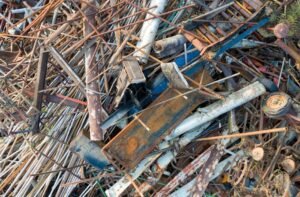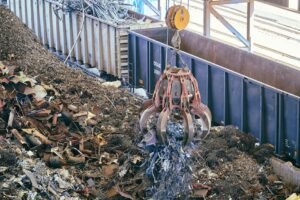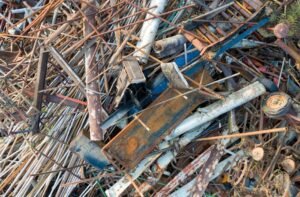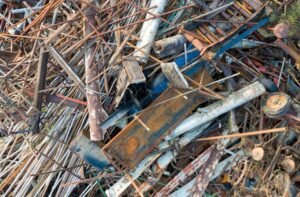

Understanding sims scrap metal prices melbourne is crucial for anyone looking to sell scrap metal in the VIC region, from large industrial contractors to individuals cleaning out their garage. The value of your scrap isn’t arbitrary; it’s a direct reflection of complex global markets, the intrinsic properties of the metal itself, and the sophisticated processes of a global recycling leader like Sims Metal. This comprehensive guide will demystify how scrap metal prices melbourne are set, explore the different grades of scrap, detail the recycling journey, and highlight the significant environmental and economic benefits of choosing to recycle. As a cornerstone of the industry in Victoria, Sims provides a vital service to the Melbourne metro area and beyond, ensuring materials are responsibly processed and fed back into the manufacturing supply chain.
How Scrap Metal Prices Are Determined
The price you receive for your scrap metal is not set by the local yard in isolation. It is primarily dictated by the volatile and dynamic global commodities market. Large exchanges like the London Metal Exchange (LME) and the New York Mercantile Exchange (COMEX) set the benchmark market rate for primary (virgin) metals. These daily fluctuations are the single biggest factor influencing the current scrap prices you see. When the LME price for copper rises, so too does the value of your scrap copper wiring or pipes. It’s a trickle-down effect that connects your local scrap yard directly to the heart of international finance.
Beyond the global index, several other key factors come into play when determining your final offer:
- Metal Type and Purity: Non-ferrous metals (metals without iron) like copper, brass, aluminium, and stainless steel are always worth significantly more per kilogram than ferrous metals (iron and steel). This is due to their higher value in manufacturing and their resistance to corrosion. Within each type, purity is paramount. Clean, unalloyed copper tubing commands a much higher price per kg than copper contaminated with solder or other materials.
- Volume and Weight: As with most commodities, bulk is king. Selling a full truckload of prepared steel will yield a better price per tonne than bringing in a single car boot load. Larger volumes are more efficient for yards to process and ship, and this efficiency is reflected in the price.
- Market Demand and Local Economics: Local manufacturing demand can influence prices. If a large factory in Victoria has a sudden need for aluminium, local metal prices today for aluminium scrap may see a temporary uplift. Furthermore, the costs of logistics, energy, and labour at the recycling facility itself are factored into the final price offered.
- Contamination: This is one of the most common reasons for a price reduction. Dirt, oil, plastic, rubber, and other non-metallic attachments add weight and complicate the recycling process. Taking the time to clean and segregate your metals is one of the most effective ways to maximise your payout.
For a deeper dive into the international factors at play, our article on How To Negotiate Scrap Metal Prices Internationally explores this complex ecosystem.
Current Sims Scrap Metal Prices Melbourne (Price Ranges)
Important Disclaimer: The following figures are estimated price ranges per kilogram based on typical market conditions and are provided for informational purposes only. Sims scrap metal prices melbourne change frequently. The only way to get a definitive quote is to contact Sims Metal directly with a description of your materials. All prices are indicative and subject to change without notice.
- Copper: As one of the most valuable scrap metals, clean, uncoated copper (often referred to as #1 copper) can fetch between $8.00 – $10.50 per kg. Lower grades with some contamination will be less.
- Brass: Commonly found in taps, fittings, and shells, clean brass typically ranges from $4.50 – $6.00 per kg.
- Aluminium: This varies widely by type. Clean cast aluminium (from engine parts) may be $1.50 – $2.50 per kg, while clean aluminium extrusions (from window frames) can be $2.00 – $3.00 per kg. Beverage cans are a separate category.
- Stainless Steel: The price depends on the grade. Common 304 grade stainless might be in the range of $0.80 – $1.50 per kg.
- Lead: Often from batteries (which require special handling) or roofing materials, lead can be worth $1.00 – $2.00 per kg.
- Ferrous Metals (Steel and Iron): These are traded by the tonne due to their lower value. Prices can vary significantly but often sit in the range of $150 – $300 per tonne. The price for a single car body will be calculated based on this tonne rate.
For the most up-to-date and comprehensive list, always refer to our dedicated Scrap Metal Prices page, which aggregates data from across the industry.
Grades of Scrap Metal: Knowing Your Metals
To get the best possible price per kg for your scrap, you need to speak the language. Recycling yards classify metals into categories and grades based on their composition and condition. Correctly identifying and separating your metals is the most impactful step you can take to increase your payout.
Ferrous vs. Non-Ferrous: The most fundamental distinction. Ferrous metals contain iron and are magnetic (e.g., carbon steel, cast iron). They are common but have lower value. Non-ferrous metals do not contain iron and are generally non-magnetic (e.g., copper, aluminium, brass, zinc). These are the high-value targets for scrappers.
Common Non-Ferrous Grades:
- Copper #1: Clean, uncoated, unalloyed copper wire or piping with no attachments.
- Copper #2: Copper with slight oxidation, solder, or minimal coating. Fetches a lower price than #1.
- Clean Brass: Brass with no iron, steel, or other attachments. Often yellow brass items.
- Cast Aluminium: A rough, dull-looking aluminium typically used for engine components, pots, and lawnmower housings.
- Extruded Aluminium: A smooth, shiny aluminium found in window frames, door frames, and some furniture.
Common Ferrous Grades:
- #1 Prepared Steel: Clean steel plate and structural sections over ¼ inch thick, free of contaminants.
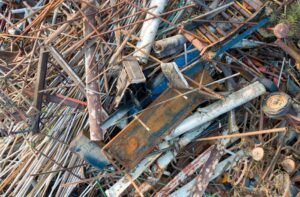
- Light Iron/Shredder Steel: Mixed lighter gauge steel, such as from whitegoods, car bodies, and sheet metal. This is the most common category for general scrap.
If you’re unsure what you have or where to find a local buyer, using a Scrap Metal Prices Near Me tool can connect you with yards in your area who can help with identification.
The Scrap Metal Recycling Process at a Facility like Sims
Ever wondered what happens to your metal after you drop it off and get paid? The process is a marvel of modern logistics and engineering, designed for maximum efficiency and recovery.
- Collection and Weigh-In: You bring your scrap to the yard, where it is weighed on a large industrial scale. This gross weight is recorded.
- Sorting and Grading: Experienced operators sort the material by type and grade. This may happen upon drop-off or in a dedicated sorting area. Advanced facilities use sensors, magnets (to separate ferrous from non-ferrous), and even shredders to break down large items.
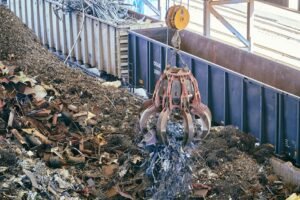
- Processing: Metals are prepared for shipment to mills and foundries. This can involve shearing (cutting large beams), baling (compressing light gauge metals into dense cubes), and shredding (using powerful hammer mills to break cars and appliances into fist-sized pieces for easy sorting).
- Shipping: Processed metals are transported in massive quantities to end consumers. Ferrous scrap is shipped to steel mills, where it becomes new reinforcing bar (rebar) or structural steel. Non-ferrous metals are sent to specialised smelters to be melted and reformed into billets, sheets, and wires for new products.
- Purification and Manufacturing: At the smelter, metals are melted in giant furnaces. Impurities are skimmed off or treated chemically to achieve the desired purity. The molten metal is then cast into new forms, ready to re-enter the manufacturing cycle.
Maximising Your Scrap Metal Payout in Melbourne
A little preparation goes a long way. Follow these practical tips to ensure you get the best possible value for your scrap metal in the Melbourne metro area:
- Separate Everything: This is the golden rule. Do not mix metals. Keep copper separate from brass, aluminium separate from steel. Keep different grades of the same metal separate. A bin of mixed metals will be paid at the price of the lowest-value item in the mix.
- Clean Your Metals: Remove all non-metallic attachments. Strip plastic insulation from copper wire. Remove rubber hoses from brass fittings. Take steel bolts out of aluminium brackets. Clean metal is premium metal.
- Accumulate Volume: Instead of making multiple trips with small loads, store your scrap until you have a significant quantity. The better price per tonne for larger loads will be worth the wait.
- Call Ahead for Quotes: Metal prices today are not the same as yesterday’s. Always call the yard or check their website for the latest current scrap prices before you load your vehicle. You can also compare quotes from different yards in VIC.
- Understand the Weighing Process: Your vehicle will be weighed full (gross weight) and then empty (tare weight). The difference is the net weight of your scrap, which is what you are paid for. Ensure you see and understand both weights.
For a national perspective on pricing trends, our analysis of sims scrap metal prices australia per kg provides valuable context.
The Significant Environmental and Economic Benefits
Choosing to sell your scrap metal isn’t just a transaction; it’s a participation in a circular economy that has profound benefits for the planet and the community.
Environmental Benefits:
- Conservation of Natural Resources: Recycling metal drastically reduces the need for virgin ore mining. Mining is incredibly destructive, causing habitat loss, soil erosion, and groundwater pollution.
- Massive Energy Savings: Recycling aluminium saves up to 95% of the energy required to produce new aluminium from bauxite ore. Recycling steel saves about 60-70% of the energy. This directly translates to a massive reduction in greenhouse gas emissions.
- Reduction in Landfill Waste: Metal is permanent; it does not decompose in a landfill. Recycling keeps this valuable material in use and out of the waste stream, conserving landfill space.
Economic Benefits:
- Job Creation: The recycling industry employs thousands of Australians in collection, processing, transportation, and administration.
- Revenue Generation: It provides a source of income for individuals, tradespeople, and businesses, turning waste into a valuable commodity.
- Supply Chain Security: It provides domestic mills and manufacturers with a critical, locally-sourced raw material, making the national economy more resilient and less reliant on imported virgin materials.
The team at Scrap Trade is dedicated to facilitating this green economy, connecting sellers with buyers to ensure metal is efficiently recycled.
Conclusion: Turning Your Unwanted Metal into Value
Navigating the world of sims scrap metal prices melbourne is about understanding that your scrap is a commodity with real, fluctuating value. By educating yourself on the factors that influence price, learning to identify and separate different metal grades, and preparing your materials properly, you can ensure you receive a fair and maximised return for your efforts. More importantly, by engaging with the recycling system through a reputable leader like Sims Metal, you are contributing to a sustainable, circular economy that conserves precious resources, saves energy, and protects the environment for future generations. Whether you’re a one-time cleaner or a regular scrapper, your actions make a difference. For the latest local insights, always check our dedicated page for scrap metal prices melbourne or contact your local yard directly. Remember, the best way to stay informed on the dynamic market is to leverage resources like Scrap.trade, your hub for Australian scrap metal information.
Frequently Asked Questions
How often do Sims scrap metal prices in Melbourne change?
Sims scrap metal prices are highly dynamic and can change daily, or even multiple times within a single day. They are directly tied to global commodities markets on exchanges like the LME. The only way to get a guaranteed price is to contact Sims Melbourne on the day you plan to sell your materials.
What is the most valuable scrap metal I can sell?
Clean, unalloyed copper is typically the most valuable common scrap metal you can sell. It is often found in electrical wiring, plumbing pipes, and certain appliances. High-grade copper (#1 Copper) consistently commands the highest price per kilogram compared to other non-ferrous metals like brass, aluminium, and stainless steel.
Do I need to separate my metals before taking them to Sims?
Yes, separation is critically important for maximising your payout. Mixed loads of scrap metal will be classified as the lowest-grade material in the mix and paid at that lower rate. Taking the time to separate metals by type (copper, aluminium, steel) and grade will significantly increase the total value you receive.
Why are ferrous metals (steel and iron) priced per tonne instead of per kg?
Ferrous metals have a much lower market value than non-ferrous metals. Due to this low value, it is not practical to trade them in small quantities per kilogram. Pricing by the tonne is the industry standard for these high-volume, low-value materials, reflecting the economies of scale needed for their collection, processing, and transportation.