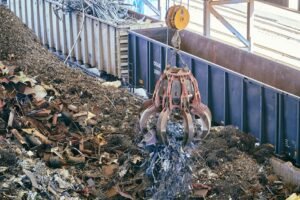

In the Australian scrap metal ecosystem, specialized processors serve as the critical bridge between raw collection points and manufacturers that require precise metal specifications for production.
Overview of Specialized Processors
Specialized processors differ from generic scrap dealers by focusing on particular metal streams—such as copper, aluminum, stainless steel, or rare earth alloys—and applying rigorous sorting, testing, and processing methods to meet stringent quality standards. Their services include shredding, magnetic separation, eddy‑current sorting, and chemical de‑contamination, all of which add value and ensure compliance with Australian standards like AS/NZS 1554 and ISO 9001. By delivering consistent, certified material, they enable downstream manufacturers to reduce procurement risk and maintain production efficiency.
Key Types of Specialized Processors
Australian markets host several categories of specialized processors, each tailored to a metal family:
- Copper and Brass Processors: Utilize electrolytic refining and high‑temperature annealing to produce copper cathodes that meet the 99.99% purity required by electrical manufacturers.
- Aluminum Processors: Operate large‑scale remelting furnaces with inert gas blanketing to prevent oxidation, delivering ingots suitable for the automotive and construction sectors.
- Stainless Steel Processors: Apply magnetic and density‑based separation to isolate austenitic grades, followed by vacuum degassing to achieve low carbon content.
- Rare Earth and Specialty Alloy Processors: Employ hydro‑metallurgical techniques to extract valuable rare earth elements, a niche but rapidly growing segment driven by renewable‑energy technology.
Each processor must maintain a chain‑of‑custody record, often facilitated through digital platforms such as the ScrapTrade online marketplace, which provides real‑time traceability from source to end‑user.
Regulatory Landscape and Certification
Compliance is non‑negotiable for specialized processors. The Australian government enforces the National Environment Protection Measure (NEPM) for waste, while state‑level agencies monitor emissions from smelting and refining operations. Processors typically hold ISO 14001 for environmental management and ISO 45001 for occupational health and safety. Additionally, many pursue the Australian Industrial Innovation Award, a testament to forward‑thinking practices; for example, Scraptrade Recognises Sands Industries With The Australian Industrial Innovation Award 2025 highlighted a processor’s breakthrough in low‑energy alloy recovery.
Technology and Equipment Used
Advanced technology underpins the value proposition of specialized processors. Key equipment includes:
- Laser‑based sorting systems: Identify alloys by spectral fingerprint, reducing cross‑contamination.
- Eddy‑current separators: Efficiently extract non‑ferrous metals from mixed streams.
- Induction furnaces with continuous casting: Produce uniform billets with minimal oxidation.
- Automated weighing and certification stations: Generate electronic certificates of analysis that integrate with blockchain‑based traceability solutions.
These technologies not only improve material recovery rates—often exceeding 95% for targeted grades—but also lower carbon footprints by minimizing re‑melting cycles.
Sustainability and Circular Economy Impact
Specialized processors are pivotal to Australia’s circular‑economy goals. By delivering high‑purity recycled metal, they displace virgin mining, which accounts for up to 70% of total greenhouse‑gas emissions in the metal sector. Studies from the Australian Department of Industry, Science, Energy and Resources indicate that recycling aluminum saves up to 95% of the energy required to produce primary aluminum. Moreover, processors contribute to landfill diversion; the National Waste Report 2023 recorded a 12% reduction in metal waste sent to landfill, directly linked to the expansion of specialized processing facilities.
International collaboration further amplifies these benefits. The platform’s multilingual outreach includes resources such as 한국 폐금속 업계를 위한 글로벌 온라인 스크랩 거래 for Korean markets and グローバル廃金属取引プラットフォームが正式サ for Japanese stakeholders, fostering best‑practice exchange across borders.
Choosing the Right Specialized Processor
When selecting a processor, consider the following criteria:
- Material Compatibility: Verify that the processor’s capabilities align with your scrap grade and desired end‑product specifications.
- Certification Portfolio: Look for ISO, AS/NZS, and any industry‑specific accreditations.
- Traceability Systems: Ensure they provide digital certificates and integrate with platforms like ScrapTrade Australia for end‑to‑end visibility.
- Environmental Performance: Review emissions data, energy consumption, and any participation in carbon‑offset programs.
- Logistics and Lead Times: Assess their ability to handle volume fluctuations and provide reliable delivery schedules.
Engaging with a processor that meets these benchmarks not only safeguards compliance but also enhances your supply‑chain resilience.
Future Trends Shaping Specialized Processing
Several emerging trends will reshape the landscape over the next decade:
- Artificial Intelligence‑driven Sorting: Machine‑learning algorithms will predict alloy composition with sub‑percent accuracy, further reducing waste.
- Hydrogen‑Based Reduction: Pilot projects in Western Australia explore hydrogen as a clean reductant for steel, potentially creating a new class of low‑carbon specialized processors.
- Circular‑Design Partnerships: Manufacturers are collaborating early in product design to embed recyclability, feeding processors with cleaner, more homogenous streams.
- Regulatory Incentives: Anticipated revisions to the Australian Renewable Energy Target may offer tax credits for processors achieving defined recycling rates.
Staying ahead of these developments positions businesses to capitalize on cost savings and sustainability credentials.
Practical Tips for Working with Processors
To maximise value from your relationship with specialized processors, adopt these best practices:
- Conduct regular material audits to verify grade consistency before shipment.
- Utilise digital weighing stations to capture accurate weight data at the point of transfer.
- Negotiate contracts that include performance‑based clauses tied to purity levels and delivery timelines.
- Maintain open communication channels—many processors now offer 24/7 dashboards for real‑time order tracking.
- Participate in industry forums and awards, such as the Australian Industrial Innovation Award, to stay informed about cutting‑edge techniques.
By integrating these steps, you enhance operational efficiency, reduce disputes, and contribute to a more sustainable metal economy.
Conclusion
Specialized processors are indispensable allies in Australia’s quest for a resilient, low‑carbon scrap metal industry. Their expertise in targeted metal streams, adherence to rigorous standards, and investment in advanced technology deliver superior material quality while supporting national sustainability targets. Whether you are a collector, broker, or manufacturer, partnering with the right processor—and leveraging platforms like ScrapTrade for transparency—will unlock economic and environmental benefits now and into the future.
Frequently Asked Questions
What distinguishes a specialized processor from a regular scrap dealer?
Specialized processors focus on specific metal grades and apply advanced sorting, testing, and certification to deliver high‑purity material, whereas regular dealers typically handle mixed scrap with less stringent processing.
Which certifications should I look for when choosing a processor?
Key certifications include ISO 9001 for quality management, ISO 14001 for environmental stewardship, ISO 45001 for occupational health and safety, and any relevant AS/NZS standards for metal handling.
How does using a specialized processor impact my carbon footprint?
By providing recycled metal that meets high purity standards, specialized processors reduce the need for virgin ore extraction, which can cut associated greenhouse‑gas emissions by up to 95% for metals like aluminum.
Can I trace my scrap metal through the processing chain?
Yes, many processors integrate digital traceability solutions and issue electronic certificates of analysis that can be accessed via platforms such as ScrapTrade Australia.