
s/s 316 is widely recognised in Australia for its ability to withstand harsh coastal conditions, making it a cornerstone material in marine, chemical, and food‑processing sectors.
Chemical Composition and Metallurgical Characteristics
The alloy designation s/s 316 conforms to ASTM A240 and EN 10088 standards. Its nominal composition includes 16–18% chromium, 10–14% nickel, and 2–3% molybdenum, the latter being the key element that enhances pitting resistance compared with s/s 304. Trace amounts of manganese, silicon, and carbon complete the matrix, while the low carbon variant (316L) reduces sensitisation during welding.
Mechanical Properties and Performance Metrics
At room temperature, s/s 316 exhibits a tensile strength of 515 MPa and a yield strength of 205 MPa. Its elongation exceeds 40%, providing excellent ductility for forming operations. The alloy retains these properties down to –196 °C, which is critical for cryogenic applications in the Australian gas industry.
- Hardness: 150–190 HB depending on heat treatment.
- Modulus of Elasticity: Approximately 193 GPa.
- Thermal Conductivity: 16 W/m·K, lower than carbon steel but sufficient for heat‑exchanger design.
Primary Australian Applications of s/s 316
Australian engineers select s/s 316 for projects where chloride‑induced corrosion is a risk. Typical uses include:
- Shipbuilding and offshore platforms along the Great Barrier Reef and southern coastlines.
- Chemical processing equipment handling acids, alkalis, and saline solutions.
- Food‑processing machinery that requires sanitary surfaces and easy cleanability.
- Architectural elements such as balustrades and handrails in coastal cities like Sydney and Perth.
Because of its durability, the material also appears in mining tailings‑treatment plants where aggressive slurries are common.
Recycling Value and Scrap Market Dynamics
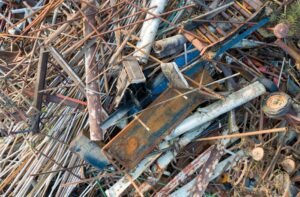
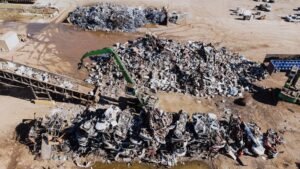
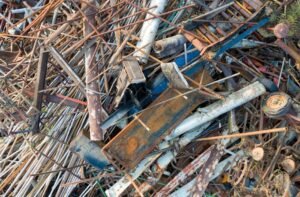
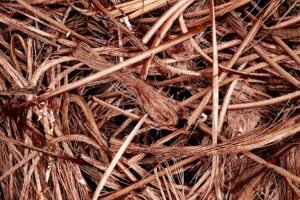
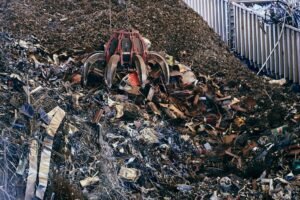
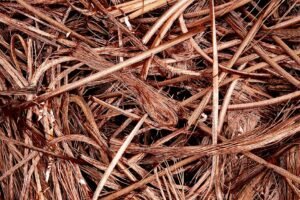
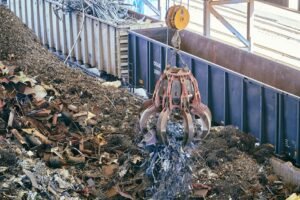
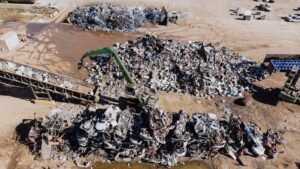
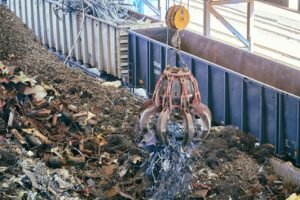
When s/s 316 reaches end‑of‑life, its high nickel and molybdenum content make it one of the most valuable stainless‑steel grades in the scrap market. In Australia, the average recycled price for s/s 316 ranges from AU$2.80 to AU$3.20 per kilogram, depending on market volatility and alloy purity.
Scrap traders benefit from the grade’s consistent density (≈8 g/cm³) and magnetic properties, which simplify separation from ferrous waste. The presence of molybdenum adds an extra premium, especially when the scrap is clean and free of contaminants.
For up‑to‑date pricing, visit Scrap.trade marketplace where real‑time bids are published for Australian s/s 316 scrap.
Purchasing, Pricing, and Compliance in Australia
Australian procurement guidelines require that all stainless‑steel purchases meet ISO 9001 certification and, where applicable, comply with the Australian Standard AS/NZS 1554 for welding of metallic materials.
Key considerations when sourcing s/s 316 include:
- Verification of mill test certificates (MTC) to confirm alloy composition.
- Assessment of surface condition – pickled and passivated sheets fetch higher premiums.
- Understanding of regional freight costs; coastal ports such as Fremantle and Brisbane often offer lower shipping rates for bulk orders.
Industry bodies such as the Australian Steel Institute publish quarterly reports that track price trends for s/s 316, providing valuable benchmarks for both buyers and sellers.
Maintenance, Corrosion Prevention, and Longevity
Even though s/s 316 offers superior resistance to pitting, proper maintenance extends service life. Recommended practices include:
- Regular cleaning with non‑chloride detergents to avoid chloride buildup.
- Application of passivation treatments after welding to restore the protective chromium‑oxide layer.
- Periodic inspection for crevice corrosion in bolted joints, especially in marine environments.
When these steps are followed, components can remain functional for 30 years or more, reducing replacement costs and supporting sustainable construction.
Practical Tips for Scrap Metal Traders Dealing with s/s 316
Successful trading of s/s 316 scrap hinges on accurate identification and efficient logistics. Follow these guidelines:
- Use a handheld XRF analyzer to confirm nickel and molybdenum levels on site.
- Separate 316L from standard 316, as the low‑carbon variant commands a modest premium.
- Maintain a clean inventory; oil, paint, and plastic residues lower the net price per kilogram.
- Leverage digital platforms such as Scraptrade Australia services to reach a broader network of manufacturers.
Recent industry recognition underscores the importance of technology in scrap trading. For example, Scraptrade Recognises Sands Industries With The Australian Industrial Innovation Award 2025 for implementing AI‑driven pricing algorithms that improve market transparency.
International collaborations also enhance market reach. The Japanese platform グローバル廃金属取引プラットフォームが正式サ recently integrated with Australian brokers, expanding export opportunities for high‑grade s/s 316 scrap. Similarly, the Arabic‑language portal منصة تجارة الخردة العالمية تُطلق خدما now lists Australian stainless‑steel grades, attracting Middle‑Eastern buyers.
Conclusion: Strategic Value of s/s 316 in the Australian Market
s/s 316 remains a strategic material for industries that demand durability in aggressive environments. Its chemical resilience, mechanical robustness, and high scrap value create a virtuous cycle: manufacturers invest in premium grade steel, and recyclers recover valuable alloying elements, supporting a circular economy.
By understanding the alloy’s specifications, adhering to compliance standards, and employing modern trading platforms, Australian businesses can optimise both performance and profitability. Whether you are a fabricator, a plant manager, or a scrap dealer, mastering s/s 316 equips you to meet today’s challenges and anticipate tomorrow’s opportunities.
Frequently Asked Questions
What distinguishes s/s 316 from other stainless‑steel grades?
s/s 316 contains molybdenum, which significantly improves resistance to pitting and crevice corrosion in chloride‑rich environments, unlike s/s 304.
Is s/s 316 recyclable and how is its scrap value determined?
Yes, s/s 316 is fully recyclable. Its scrap price is based on alloy purity, nickel and molybdenum content, and the cleanliness of the material.
What Australian standards apply to the purchase of s/s 316?
Purchases must comply with ISO 9001 certification and, where welding is involved, AS/NZS 1554 for metallic materials.
How can I ensure I receive the best price for s/s 316 scrap?
Maintain a clean, well‑segregated inventory, verify composition with an XRF analyzer, and list the material on reputable platforms such as Scraptrade Australia.