
ss316 stainless steel is prized for its superior resistance to chloride‑induced pitting and its durability in harsh environments, making it a top choice for Australian fabricators and recyclers.
1. Chemical composition and classification
ss316 stainless steel belongs to the austenitic family of ferrous metal alloys. Its typical composition includes 16–18% chromium, 10–14% nickel, and 2–3% molybdenum, with the remainder being iron and trace elements such as manganese and silicon. The addition of molybdenum distinguishes it from the more common 304 stainless, improving resistance to reducing acids and chloride‑rich media. This alloy complies with ASTM A240, EN 10088‑2, and the Australian Standard AS/NZS 4672, ensuring consistent quality across sheet metal, plate, and bar forms.
2. Mechanical properties and standards
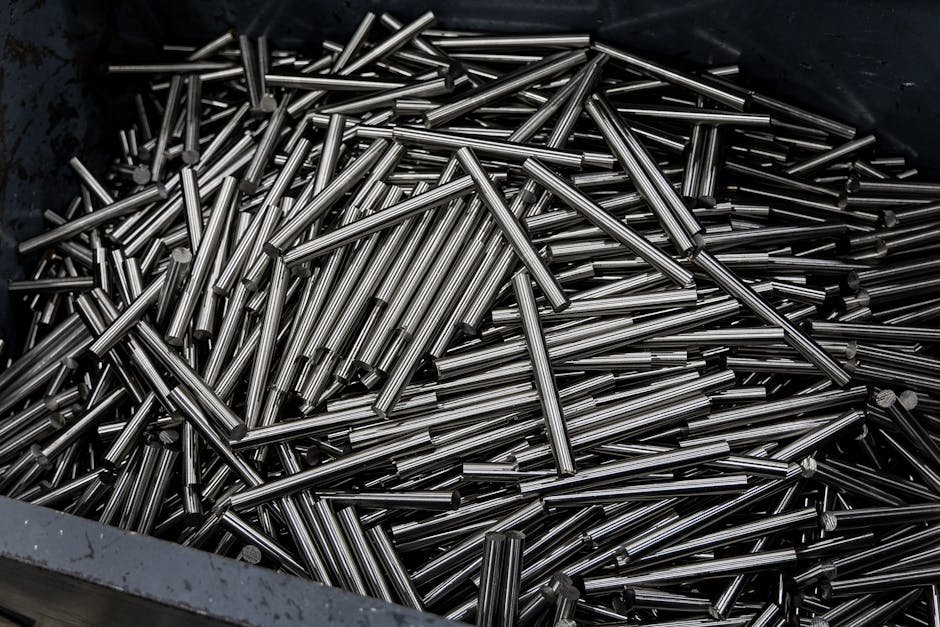
At room temperature, ss316 stainless steel exhibits a tensile strength of 515–720 MPa and a yield strength of 205–310 MPa, depending on the heat‑treatment condition. Its elongation typically ranges from 40% to 60%, providing excellent ductility for forming operations. The material’s impact toughness remains high down to –196 °C, which is crucial for cryogenic applications. Standards such as ASTM A193 and A213 specify the mechanical requirements for forged and welded components, while the “steel sheet stainless” designation refers to thin‑gauge forms used in architectural cladding and food‑processing equipment.
3. Common applications in Australia
In coastal regions, ss316 stainless steel is the material of choice for marine hardware, including propeller shafts, pump casings, and offshore platform fittings. Its resistance to salt spray also makes it ideal for architectural handrails, balustrades, and façade panels where aesthetic longevity is required. Within the chemical processing sector, the alloy’s ability to withstand aggressive acids and alkalis supports its use in reactors, heat exchangers, and piping systems. The “stainless steel sa” market segment, which includes sanitary equipment for the food and beverage industry, relies heavily on ss316 for its hygienic surface finish and compliance with strict health regulations.
4. Comparison with 304 stainless steel
While 304 stainless steel offers good overall corrosion resistance, it lacks the molybdenum content that gives ss316 its superior performance in chloride environments. In a head‑to‑head test, 304 exhibits pitting corrosion after approximately 500 hours in a 5% NaCl solution, whereas ss316 can endure more than 2,000 hours under identical conditions. The trade‑off is a modest increase in material cost, typically 10–15% higher per kilogram, reflected in the current steel price per tonne for premium grades. For applications where exposure to seawater or de‑icing salts is inevitable, the long‑term savings from reduced maintenance justify the higher upfront expense.
5. Fabrication, welding and machining considerations
When forming ss316 stainless steel, the material behaves similarly to mild steel but requires slightly higher forming forces due to its higher yield strength. Sheet metal designers should account for a 10% spring‑back factor in bending operations. Welding ss316 is straightforward with filler metals such as ER308L or ER316L, which match the base alloy’s corrosion‑resistant properties. It is essential to purge the weld zone with inert gas to prevent oxidation of the molybdenum content. Machining operations benefit from the alloy’s work‑hardening characteristic; using sharp carbide tools and low cutting speeds reduces tool wear and maintains surface finish. After machining, a passivation step with nitric acid restores the protective chromium‑oxide layer, enhancing corrosion resistance.
6. Market dynamics and steel price per tonne
The Australian scrap steel market influences the spot price of ss316 stainless steel. Global demand for stainless in infrastructure projects, combined with limited domestic primary production, drives a reliance on imported billets and recycled feedstock. As of the latest quarter, the steel price per tonne for ss316 averages AUD 3,200, fluctuating with nickel and molybdenum commodity prices. Recycling offers a cost‑effective pathway to meet demand; recycled ss316 retains up to 95% of its original alloy composition, reducing the need for virgin raw materials. Companies that monitor the “Stainless Steel Scrap Price” can time purchases to align with market dips, optimizing procurement budgets.
7. Recycling ss316 stainless steel and scrap value
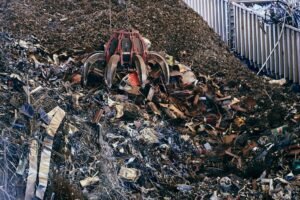
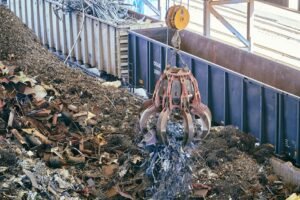
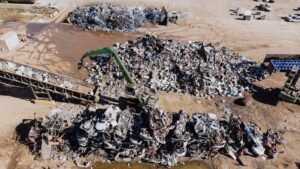
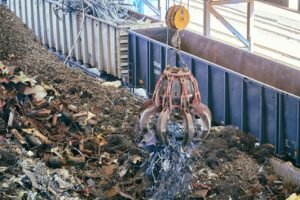
Recycling ss316 stainless steel begins with segregation from non‑ferrous metals such as aluminum and copper, as cross‑contamination can degrade the final alloy quality. Once collected, the scrap is shredded, magnetically separated, and melted in an electric arc furnace. The resulting ingot can be rolled into new sheet metal or extruded into tubing, preserving the alloy’s corrosion‑resistant characteristics. Because ss316 commands a higher price than milder ferrous metals, recyclers benefit from a premium “Stainless Steel Scrap Price”. To estimate potential revenue, producers can use the “Stainless Steel Scrap Calculator Estimate Your Material Value” tool, which factors in weight, grade, and current market rates. For maximum profit, the guide “Stainless Steel Recycling How To Sell Scrap For Maximum Profit” recommends removing oil, grease, and non‑metal attachments before delivery, and providing certification of grade to buyers.
Australian recyclers also leverage the broader “Stainless Steel Scrap” market, where bulk contracts often include a mix of 304 and 316 grades. By maintaining accurate records of scrap composition, businesses can negotiate better terms and avoid penalties for mis‑graded material. The environmental benefit is significant: recycling one tonne of ss316 saves approximately 1.2 tonnes of CO₂ emissions compared with primary production, supporting Australia’s net‑zero targets.
For companies seeking a reliable partner, the Scrap Trade platform offers real‑time pricing, secure transactions, and nationwide logistics. Likewise, ScrapTrade Australia provides localized support, compliance assistance, and tailored pricing models for both small workshops and large industrial operations.
In summary, ss316 stainless steel delivers unmatched performance in aggressive environments, justifies its premium cost through longevity, and offers strong recycling value. Understanding its composition, market dynamics, and best practices for fabrication and scrap handling empowers Australian manufacturers to make informed decisions that enhance profitability and sustainability.
Related: Stainless Steel Scrap Price
Related: Stainless Steel Scrap Calculator Estimate Your Material Value
Related: Stainless Steel Recycling How To Sell Scrap For Maximum Profit
Related: stainless steel sa
Related: steel sheet stainless
Frequently Asked Questions
What makes ss316 stainless steel more corrosion‑resistant than 304 stainless?
The addition of 2–3% molybdenum to ss316 stainless steel significantly improves resistance to pitting and crevice corrosion, especially in chloride‑rich environments such as seawater.
Can I weld ss316 stainless steel with the same filler as 304?
While 304 filler can be used for light‑duty repairs, best practice is to use ER308L or ER316L filler metals to maintain the alloy’s corrosion‑resistant properties and avoid sensitisation.
How does the price of ss316 stainless steel compare to mild steel?
ss316 typically costs 10–15% more per kilogram than mild steel due to its higher alloy content, but the longer service life and lower maintenance can offset the initial price difference.
What steps should I take before selling ss316 scrap for maximum profit?
Remove all non‑metal contaminants, segregate from non‑ferrous scrap, provide accurate weight and grade documentation, and use tools like the Stainless Steel Scrap Calculator to estimate value before contacting buyers.