
When searching for a reliable st marys scrap yard, it is vital to understand the complexity and value inherent in the metal recycling industry. Whether you are a trade professional managing large-scale demolition waste or a local resident looking to clear out your garage, selecting the right facility ensures you receive fair market value for your materials while contributing to a circular economy. In Western Sydney, the demand for efficient metal recovery has grown significantly, making local infrastructure for processing scrap more critical than ever.
Understanding Metal Grades and Classification
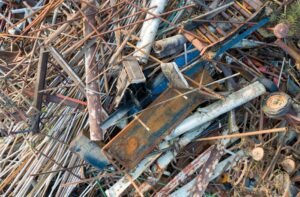
The foundation of the scrap metal industry is the rigorous classification of materials. Metals are generally divided into two primary categories: ferrous and non-ferrous. A professional st marys scrap yard will employ experts who can identify these grades on sight to ensure you are paid correctly for your haul.
Ferrous metals contain iron, making them magnetic and generally more abundant. Common examples include structural steel, cast iron, and wrought iron. Because of their prevalence, they are often processed in higher volumes. Conversely, non-ferrous metals—such as copper, aluminium, brass, lead, and stainless steel—do not contain iron. These are highly sought after due to their superior conductivity, resistance to corrosion, and the fact that they can be recycled infinitely without losing their chemical properties.
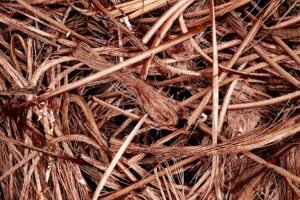
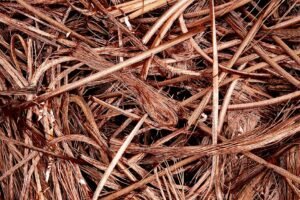
When you visit a recycling depot, you will notice that prices fluctuate based on the purity of the metal. For example, clean, bright copper wire commands a significantly higher price than copper that is insulated or contaminated with plastic or solder. Similarly, aluminium is graded based on whether it is cast, extruded, or sheet metal. Understanding these distinctions allows you to sort your scrap effectively before heading to a Metal Scrap Yard Near Me, ensuring you maximize your financial return.
The Lifecycle: How Metal Recycling Works
The process of transforming scrap into raw material is a sophisticated industrial operation. It begins the moment a customer arrives at a walk-in centre. Once the material is weighed on certified scales, it enters the sorting phase. Modern facilities use advanced technology, including X-ray fluorescence (XRF) analyzers, to determine the exact chemical composition of metal alloys.
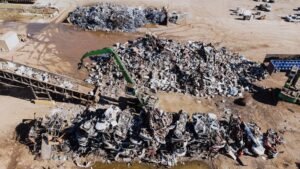
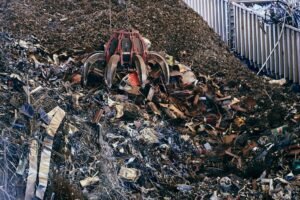
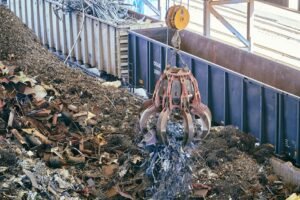
After sorting, the metal is processed. This may involve shredding, where large items are broken down into small pieces to facilitate the separation of contaminants. Magnetic separators are used to pull ferrous metals from the mix, while eddy current separators are employed to eject non-ferrous metals. Once the materials are clean and sorted, they are baled or compacted for transport to smelters. At the smelter, the scrap is melted down and cast into ingots, which are then sold back to manufacturers to create everything from new car parts to beverage cans. This entire cycle is managed by an experienced metal recycler who ensures that safety and environmental standards are upheld throughout the process.
Environmental Benefits of Scrap Recycling
The environmental case for choosing a reputable st marys scrap yard is compelling. Mining for virgin ore is an energy-intensive and destructive process that involves deforestation, habitat destruction, and massive carbon emissions. By choosing to recycle, we drastically reduce the energy footprint of production. For instance, recycling aluminium saves approximately 95% of the energy required to produce the same amount of aluminium from raw bauxite ore.
Furthermore, recycling metal significantly reduces landfill waste. Metals that end up in general waste can leach toxic substances into the soil and groundwater as they corrode. By diverting these materials into a formal recycling stream, we prevent environmental degradation and conserve natural resources for future generations. This is a core pillar of the Australian scrap trading community, which prioritizes sustainability as a business model.
Navigating Industrial Scrap Requirements
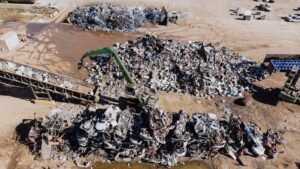
For businesses generating significant volumes of waste, the requirements are different. An industrial scrap yard provides specialized services, such as bin hire and scheduled collections, to handle the logistics of heavy metal debris. If you are involved in construction or demolition, you need a partner who understands the complexities of site clearance and compliance with environmental regulations.
Effective waste management on industrial sites involves separating metals at the source. By preventing cross-contamination, companies can achieve higher grades for their scrap, leading to better financial outcomes. This is where a partnership with a professional facility becomes an asset. If you are located in the region, looking for a scrap yard minto or a facility in St Marys, it is essential to ask about their ability to handle large-scale demolition scrap, their turnaround times for bin exchanges, and their documentation processes for environmental compliance.
Choosing the Right Partner for Your Needs
Not all scrap facilities are created equal. When selecting a site to buy and sell scrap, you should look for transparency, fair pricing, and professional conduct. A high-quality yard will provide clear, itemized receipts for every load. They should also be able to provide advice on how to prepare your scrap to ensure you get the best market rates.
If you are looking for alternatives or comparisons, you might consider checking out a Crg Scrap Yard to see how their service offerings align with your needs. Additionally, for those who value long-standing reputation and customer service, researching Zores Scrap Yard Your Trusted Destination For Scrap Metal can provide insight into what a top-tier customer experience looks like. Always prioritize facilities that are fully licensed and hold the necessary environmental permits to operate in the Sydney metropolitan area.
Practical Tips for Maximizing Your Scrap Value
To get the most out of your trip to the scrap yard, preparation is key. Here are several expert tips to help you maximize your return:
- Sort by Metal Type: Never mix your metals. A mixed load is often bought at the lowest common denominator price. Separate your copper, brass, aluminium, and steel before you arrive.
- Clean Your Metal: Remove non-metal attachments. If you have a copper pipe with plastic fittings or a steel motor with aluminium housing, take the time to separate them. The cleaner the material, the higher the grade.
- Strip Your Wires: If you have large quantities of insulated copper wire, stripping the plastic coating can significantly increase the value per kilogram. However, ensure you have the right tools to do this safely.
- Know the Market: Metal prices are commodities that fluctuate daily based on the London Metal Exchange (LME). While you cannot control the market, knowing the general trend helps you decide when to sell.
- Build a Relationship: If you are a regular supplier, talk to the yard manager. Many facilities offer better rates for consistent, high-quality suppliers who bring in clean, well-sorted material.
The Future of Metal Recycling in Australia
The industry is currently undergoing a digital transformation. We are seeing a move toward more transparent, data-driven recycling processes. As Australia pushes toward a net-zero future, the role of the scrap yard is evolving from a simple collection point to a sophisticated node in the supply chain. Advanced sorting technologies and better logistics are making it easier for individuals and businesses to participate in the circular economy.
By choosing to engage with a professional st marys scrap yard, you are not just clearing out clutter; you are participating in a global effort to preserve resources. The integration of digital platforms, such as online price tracking and booking systems, is making the process more accessible than ever. As we look ahead, the industry will continue to emphasize the importance of responsible disposal, ensuring that every piece of metal is accounted for and returned to the manufacturing cycle.
Conclusion: Your Role in the Circular Economy
Metal recycling is a cornerstone of modern industrial society. From the smallest household appliance to the largest construction site, every piece of metal has a life beyond its initial use. By understanding the grades of scrap, the environmental impact of your choices, and how to work effectively with your local recycling facility, you play an active role in reducing the burden on our planet.
Whether you are a professional contractor or a homeowner, the path to a sustainable future starts with responsible waste management. Use the resources available, keep your materials clean and sorted, and choose a partner that values transparency and environmental stewardship. The infrastructure is there, the processes are refined, and the benefits are clear. Start your recycling journey today by connecting with a reputable yard and turning your scrap into a valuable resource.
Frequently Asked Questions
- What items are generally accepted at a scrap yard? Most yards accept ferrous metals like steel and iron, and non-ferrous metals like copper, aluminium, brass, and stainless steel. It is best to call ahead if you have specialized items like catalytic converters or large industrial machinery.
- How are scrap metal prices determined? Prices are primarily driven by global commodity markets, specifically the London Metal Exchange. Local yards then adjust these prices based on their own overheads, logistics, and the current demand for specific metals in the local manufacturing sector.
- Do I need an appointment to drop off scrap metal? Most facilities are walk-in friendly for smaller loads, but if you are bringing in a large industrial quantity, it is highly recommended to call ahead. This ensures they have the equipment and space ready to process your load efficiently.
- Why is it important to sort my scrap before arriving? Sorting your scrap ensures you receive the highest possible payout for each metal grade. If you bring a mixed load, the yard may have to pay you for the lowest-value metal in that pile, whereas separated materials allow for accurate grading and maximum profit.