
The term stainless manufacturers refers to industrial companies engaged in the fabrication, machining, and large-scale production of components and finished goods from stainless steel alloys. These businesses form the backbone of critical sectors such as construction, food processing, medical equipment, marine engineering, and renewable energy. As Australia’s manufacturing industry continues to modernize, stainless manufacturers are increasingly focused on sustainable practices, efficient material use, and optimizing returns from scrap byproducts—particularly through the recycling of 304 stainless and 316 stainless variants.
Overview of the Stainless Steel Manufacturing Industry in Australia
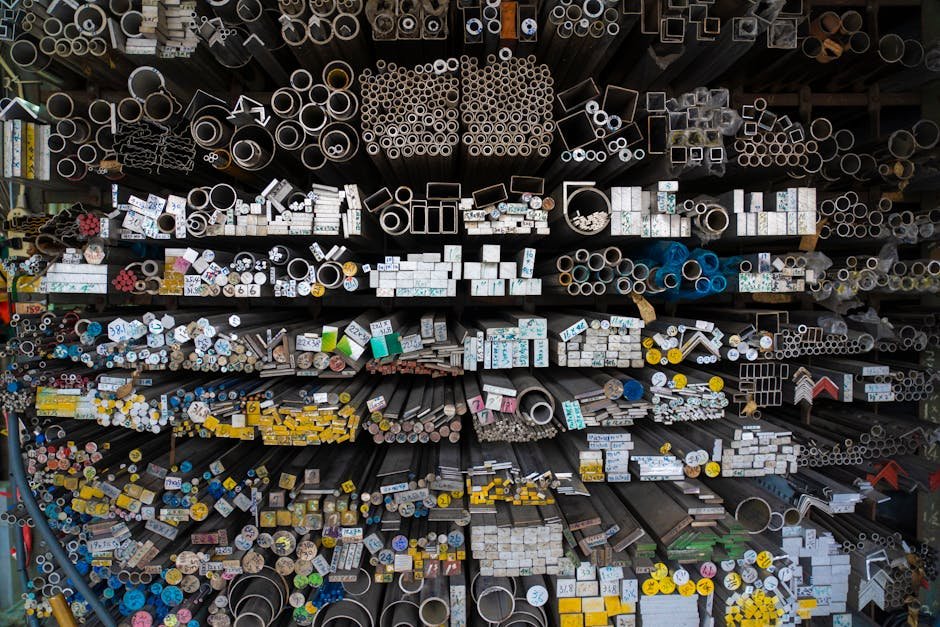
Australia’s stainless steel manufacturing sector is a vital contributor to the nation’s industrial economy, supporting over 850,000 jobs directly and indirectly through supply chains. Stainless manufacturers across the country operate in diverse niches—from precision machining workshops in Victoria to large-scale fabricators in Western Australia servicing the mining and resources sector. These companies rely on imported raw materials and semi-finished products, including hot-rolled coil, cold-rolled sheet, and 316 stainless strip, which are transformed into structural components, storage tanks, architectural fittings, and industrial machinery.
Despite limited domestic primary steel production, Australia maintains a robust secondary processing ecosystem. The country imports approximately 600,000 tonnes of stainless steel annually, primarily from Japan, South Korea, and Taiwan. Once fabricated, these materials are used in infrastructure projects like desalination plants, hospitals, and transport systems. Recycling plays a crucial role in closing the loop: nearly 90% of all stainless steel ever produced remains in use today due to its infinite recyclability without degradation in quality.
Stainless manufacturers must navigate fluctuating input costs, energy demands, and compliance with environmental regulations. The increasing adoption of circular economy principles has led many firms to prioritize scrap recovery, not only to reduce waste but also to generate additional revenue streams. This shift aligns with global trends where sustainability reporting and carbon footprint tracking are becoming mandatory for large contractors and government tenders.
Key Stainless Steel Grades Used by Stainless Manufacturers
Understanding the properties and applications of different stainless steel grades is essential for any stainless manufacturer aiming to deliver high-performance, cost-effective solutions. Among the more than 150 available grades, two dominate industrial usage: 304 stainless and 316 stainless. Their widespread adoption stems from a balance of mechanical strength, corrosion resistance, weldability, and cost-efficiency.
304 Stainless Steel, also known as A2 stainless, contains 18% chromium and 8% nickel (18/8). It accounts for over 60% of all stainless steel consumed globally. This grade offers excellent resistance to a wide range of atmospheric environments and many corrosive media. It is non-magnetic in the annealed state and can become slightly magnetic after cold working. Common applications include kitchen equipment, architectural paneling, chemical containers, and piping systems in less aggressive environments.
From a manufacturing perspective, 304 is highly formable and readily welded using common techniques such as TIG, MIG, and resistance welding. Its versatility makes it ideal for batch production processes, especially in the food and beverage industry where hygiene standards are paramount. However, it is susceptible to chloride-induced pitting, limiting its use in coastal or marine settings.
316 Stainless Steel, often referred to as marine-grade stainless, includes 2–3% molybdenum, which significantly enhances its resistance to chlorides and acids. This addition makes it suitable for harsh environments such as offshore platforms, chemical processing plants, and seawater desalination facilities. In Australia, where much of the population lives near the coast, 316 is frequently specified in architectural cladding, balustrades, and marine hardware.
Due to its higher alloy content, 316 stainless carries a premium price both as raw material and as scrap. For stainless manufacturers, this means tighter margins when purchasing input stock—but also greater returns when selling offcuts and turnings as stainless steel scrap. The presence of molybdenum increases the intrinsic value of 316 scrap, making accurate segregation vital for financial optimization.
Beyond these two primary grades, some specialized stainless manufacturers work with duplex steels (e.g., 2205), super austenitics (e.g., 904L), and precipitation-hardening grades (e.g., 17-4 PH) for aerospace, defense, and high-pressure applications. These materials offer superior strength-to-weight ratios and extreme temperature resistance but require advanced processing capabilities and strict quality control protocols.
The Role of Scrap Recycling in Stainless Steel Manufacturing
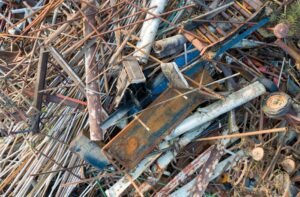
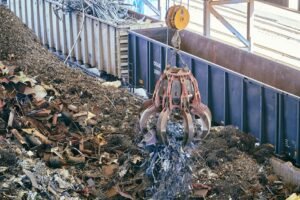
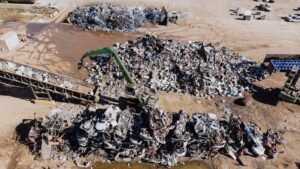
Recycling is not merely an environmental imperative for stainless manufacturers—it is an economic necessity. On average, a fabrication facility generates between 15% and 40% scrap during cutting, machining, and trimming operations. This includes edge trim, punchings, turnings, borings, and failed or excess parts. When properly sorted and processed, this waste becomes valuable stainless steel scrap that can be reintroduced into the production cycle or sold to recycling partners.
The recycling loop begins at the factory floor. Forward-thinking stainless manufacturers implement on-site segregation systems to separate ferrous from non-ferrous materials and further divide stainless types by grade. Contamination—even small amounts of mild steel mixed into 304 or 316 batches—can drastically reduce scrap value and render material unsuitable for remelting into high-grade alloys.
Stainless steel is classified as a non-ferrous metal in recycling contexts due to its chromium content and lack of magnetic properties (though cold-worked forms may exhibit slight magnetism). However, unlike aluminum or copper, stainless retains significant residual value because of its high alloy content. Recyclers typically pay based on nickel, chromium, and molybdenum content, which are recovered during electric arc furnace (EAF) melting.
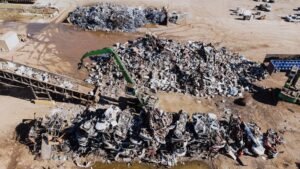
For manufacturers, effective scrap management improves profitability in two ways: reducing raw material procurement costs through internal reuse and generating direct income from external sales. Many larger fabricators maintain dedicated scrap yards and partner with licensed recyclers who offer regular pickups, assay services, and transparent pricing models.
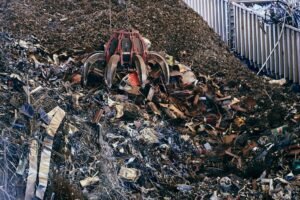
To maximize returns, stainless manufacturers should invest in material identification tools such as handheld XRF (X-ray fluorescence) analyzers. These devices provide real-time alloy verification, ensuring accurate sorting. Additionally, compacting loose turnings into briquettes reduces transportation costs and increases bulk density, making shipments more economical.
Maximizing Value from Stainless Steel Scrap: Pricing and Estimation Tools
Understanding current market dynamics is critical for stainless manufacturers seeking to optimize scrap revenue. Prices for stainless steel scrap fluctuate based on global demand for raw alloys, nickel futures, shipping costs, and regional supply conditions. As of 2024, average Australian domestic prices range from AUD $1.80 to $2.40 per kilogram for clean 304 scrap and $2.60 to $3.30 per kilogram for 316 stainless scrap, depending on location and volume.
Manufacturers can access real-time benchmarks through resources like the Stainless Steel Scrap Price tracker, which aggregates data from major recyclers and export markets. This tool helps businesses time their sales to coincide with market peaks and avoid periods of oversupply.
To estimate potential earnings from accumulated inventory, the Stainless Steel Scrap Calculator Estimate Your Material Value provides a user-friendly interface where users input weight, grade, and regional location to receive instant valuations. For example, a mid-sized manufacturer with 5 tonnes of mixed 304 offcuts could expect approximately AUD $11,000 in revenue at current rates—money that directly impacts bottom-line performance.
It’s important to note that processors often apply deductions for contamination, moisture, or tramp metal. Therefore, maintaining clean, well-sorted piles enhances net proceeds. Some recyclers offer premium rates for pre-bundled or containerized loads destined for export, particularly to Southeast Asian mills where stainless production is expanding rapidly.
International pricing differentials can also present arbitrage opportunities. Export prices for 316 stainless scrap in Malaysia or Indonesia sometimes exceed domestic Australian offers by 10–15%, incentivizing larger operations to engage in cross-border trade. However, export compliance—including correct classification under HS codes and adherence to Basel Convention regulations—must be strictly observed.
Global Sales Strategies for Excess Scrap Inventory
For stainless manufacturers producing significant volumes of scrap, selling locally may not always yield the best returns. Global markets, particularly in India, South Korea, and Turkey, have strong demand for high-quality stainless scrap to feed their expanding stainless steel industries. Turkish mills, for instance, import over 1 million tonnes of scrap annually, much of it from Australia and New Zealand.
However, entering international markets requires navigating complex logistics, documentation, and quality assurance processes. Manufacturers must ensure their scrap meets International Stainless Steel Forum (ISSF) specifications for cleanliness, size, and chemical composition. Containers are typically inspected at origin and destination, and rejections due to contamination can result in costly delays or penalties.
To streamline this process, many Australian stainless manufacturers partner with specialized trading platforms that handle end-to-end export operations. One such solution is detailed in the guide How Manufacturers Can Sell Excess Scrap Inventory Worldwide, which outlines step-by-step procedures for packaging, certification, freight coordination, and payment security.
Key success factors include:
- Accurate material grading using certified testing methods
- Use of secure, tamper-evident container seals
- Engagement with Incoterms (e.g., FOB, CIF) that allocate risk appropriately
- Working with logistics providers experienced in metal scrap shipments
- Ensuring compliance with Australian Department of Agriculture, Water and the Environment export requirements
Digital platforms now enable manufacturers to list scrap inventories online, receive competitive bids from global buyers, and finalize transactions securely. These systems reduce dependency on intermediaries and increase price transparency, empowering even smaller fabricators to participate in international trade.
Technological Advancements Impacting Stainless Manufacturers
The integration of advanced technologies is transforming how stainless manufacturers operate, from design and production to waste tracking and sales. Automation, digital twins, IoT-enabled machinery, and AI-driven analytics are becoming standard in leading fabrication facilities.
For example, CNC laser cutting systems now achieve micron-level precision, minimizing kerf loss and reducing scrap generation. Nesting software optimizes sheet utilization, sometimes improving yield by up to 15%. Similarly, robotic welding cells enhance consistency while lowering labor costs and rework rates.
On the sustainability front, smart sensors monitor scrap output in real time, feeding data into enterprise resource planning (ERP) systems. This allows managers to identify inefficiencies, forecast scrap volumes, and plan sales cycles more effectively. Some companies are experimenting with blockchain-based traceability systems to certify the origin and recycling content of their products—adding value for environmentally conscious clients.
Additive manufacturing (3D printing) is also emerging in niche applications. While still limited by material costs and build size, stainless steel powder-based printing enables rapid prototyping and complex geometries unachievable through traditional methods. Grades like 316L are commonly used in this context, particularly for medical implants and aerospace components.
These innovations not only improve productivity but also support compliance with Australia’s National Waste Policy Action Plan, which targets a 10% reduction in industrial waste by 2030. By adopting smart manufacturing practices, stainless manufacturers position themselves as leaders in both efficiency and environmental stewardship.
How to Connect with Reputable Stainless Steel Manufacturers in Australia
For businesses sourcing fabricated components or exploring partnership opportunities, identifying reliable stainless steel manufacturers is essential. A reputable manufacturer should demonstrate technical capability, quality certifications (such as ISO 9001 or AS/NZS 1554), and a commitment to ethical and sustainable practices.
When evaluating potential partners, consider the following criteria:
- Industry Specialization: Some manufacturers focus exclusively on food-grade equipment, while others specialize in structural or marine applications.
- Equipment Capacity: Assess whether they have the machinery (e.g., press brakes, roll formers, orbital welders) to handle your project scope.
- Material Traceability: Ensure they maintain mill test certificates and can verify the origin and grade of input stock.
- Scrap Management Policy: A transparent approach to recycling indicates operational discipline and cost control.
- Client References: Request case studies or testimonials from past projects in similar sectors.
Platforms like Scrap.Trade serve as comprehensive marketplaces connecting stainless manufacturers with recyclers, buyers, and suppliers across Australia and globally. They provide tools for pricing, estimation, and international trade, creating a seamless ecosystem for industrial metal management.
Additionally, the Australian Stainless Steel Development Association (ASSDA) maintains a directory of accredited fabricators and offers technical resources, training programs, and networking events. Membership in ASSDA is a strong indicator of professionalism and adherence to best practices within the industry.
Conclusion: The Future of Stainless Manufacturers in a Circular Economy
The future of stainless manufacturers in Australia hinges on their ability to adapt to evolving market demands, technological innovation, and sustainability imperatives. As global pressure mounts to reduce carbon emissions and resource extraction, the inherent recyclability of stainless steel positions this sector as a model for circular manufacturing.
By leveraging tools such as the Stainless Steel Scrap Calculator Estimate Your Material Value, engaging in international markets via guides like How Manufacturers Can Sell Excess Scrap Inventory Worldwide, and maintaining accurate knowledge of Stainless Steel Scrap Price trends, manufacturers can transform waste into wealth.
Furthermore, collaboration with platforms such as ScrapTrade Australia ensures access to real-time data, verified buyers, and regulatory support, enabling seamless participation in the global metals economy.
In conclusion, stainless manufacturers are no longer just producers of durable goods—they are integral players in a sustainable industrial ecosystem. Those who embrace innovation, transparency, and responsible resource management will lead the next generation of Australian manufacturing excellence.
Frequently Asked Questions
What are the most common stainless steel grades used by stainless manufacturers?
The most common grades are 304 stainless and 316 stainless. 304 offers excellent corrosion resistance and formability for general applications, while 316 contains molybdenum for enhanced resistance to chlorides, making it ideal for marine and chemical environments.
How can stainless manufacturers increase the value of their scrap?
Manufacturers can increase scrap value by accurately sorting materials by grade, removing contaminants, compacting turnings into briquettes, and using tools like XRF analyzers for verification. Selling during peak price cycles also maximizes returns.
Can stainless steel scrap be sold internationally?
Yes, many stainless manufacturers sell excess scrap internationally to countries with high demand like Turkey, India, and South Korea. Proper documentation, compliance with export regulations, and working with experienced logistics partners are essential for success.
Is stainless steel considered non-ferrous in recycling?
While stainless steel contains iron, it is often categorized separately due to its chromium content and corrosion resistance. In recycling, it’s treated as a high-value alloy material rather than a standard ferrous metal, and is sometimes grouped with non-ferrous streams for premium processing.