
The stainless steel cost in Australia is influenced by global markets, material grades, and recycling demand. As a critical component in construction, manufacturing, and household appliances, stainless steel prices fluctuate based on supply chain dynamics and industrial activity. This guide provides actionable insights into pricing trends, grading systems, and strategies to optimize scrap stainless steel value.
Understanding Stainless Steel Cost Drivers
The stainless steel cost is determined by a complex interplay of factors, including raw material availability, production costs, and geopolitical events. For instance, nickel prices—central to 304 stainless—often surge during supply chain disruptions, directly increasing the stainless steel cost. Additionally, scrap stainless steel prices correlate with global demand for recycled sheet metal and ferrous metal markets.
Stainless Steel Grades and Their Market Value
- 304 stainless (18% chromium, 8% nickel): The most common grade, ideal for kitchenware and general-purpose applications. Current Stainless Steel Scrap Price for 304 ranges from $2,000–$3,000 per tonne.
- 316 stainless (adds 2–3% molybdenum): Offers superior corrosion resistance, used in chemical and marine industries. Prices typically exceed $3,500 per tonne.
- Mild steel (non-stainless): A lower-cost alternative, but not suitable for high-corrosion environments. Scrap value is significantly lower than stainless steel cost.
Real-Time Pricing Tools for Scrap Stainless Steel
Accurate stainless steel cost estimation requires up-to-date tools. Our Stainless Steel Scrap Calculator allows users to input material type, weight, and location to receive instant valuations. For example, 1 tonne of clean 304 stainless scrap in Sydney could fetch $2,800, while the same material in regional Queensland might yield $2,500 due to transportation logistics.
Factors Affecting Stainless Steel Cost Fluctuations
Key variables in stainless steel cost determination include:
- Global nickel and chromium markets: Price spikes in commodities like nickel can increase 304 stainless production costs by 15–20% within weeks.
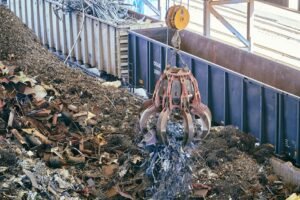
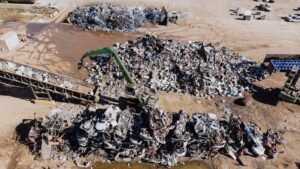
- Recycling efficiency: Stainless Steel Recycling processes that recover 90%+ of material improve market supply and reduce virgin production costs.
- Industrial demand: Construction booms in Australia often drive up steel price per tonne as manufacturers prioritize stainless for its durability.
Maximizing Profit from Scrap Stainless Steel
Businesses and individuals can enhance their returns by:
- Sorting grades: Keep 304 and 316 stainless separate—mixture reduces overall cost of scrap stainless steel by 25–30%.
- Removing impurities: Clean sheet metal free of dirt and oils fetches 10–15% higher rates.
- Using certified recyclers: Scrap.Trade offers premium rates for properly documented stainless scrap.
Regional Price Variations in Australia
Stainless steel cost differs significantly across regions due to:
- Transport costs: Rural areas may pay 5–10% less due to higher delivery expenses.
- Local industry demand: States with large manufacturing hubs (e.g., New South Wales) often have higher bids for stainless steel manufacturers to purchase scrap.
Long-Term Trends in Stainless Steel Pricing
Historical data shows stainless steel cost cycles every 3–5 years, with recent trends influenced by:
- Green energy projects: Increased demand for corrosion-resistant materials in renewable infrastructure.
- Recycling technology: Advances in Stainless Steel Recycling processes improving material recovery rates.
Conclusion
Monitoring stainless steel cost requires understanding global markets, material grades, and regional dynamics. By leveraging tools like our Stainless Steel Scrap Calculator and partnering with ScrapTrade.com.au for certified recycling, stakeholders can maximize returns. For the latest Stainless Steel Scrap Price updates, consult our real-time database and expert analysis.
Frequently Asked Questions
What is the current stainless steel cost per tonne in Australia?
As of Q2 2024, 304 stainless scrap averages $2,200–$2,800 per tonne, while 316 stainless ranges from $3,400–$4,200. Prices vary by grade, location, and market conditions.
Why does stainless steel cost more than mild steel?
Stainless contains chromium and nickel, which enhance corrosion resistance but increase production costs. Cost of scrap stainless steel reflects these premium alloying elements.
How can I get the best price for stainless steel scrap?
Clean materials, sort by grade, and use Scrap.Trade’s certified network. Estimate your scrap value before selling.
What affects stainless steel price fluctuations?
Global commodity markets, exchange rates, and geopolitical factors like nickel mining disruptions in major producing countries.
Frequently Asked Questions
What is the current stainless steel cost per tonne in Australia?
As of Q2 2024, 304 stainless scrap averages $2,200–$2,800 per tonne, while 316 stainless ranges from $3,400–$4,200. Prices vary by grade, location, and market conditions.
Why does stainless steel cost more than mild steel?
Stainless contains chromium and nickel, which enhance corrosion resistance but increase production costs. Cost of scrap stainless steel reflects these premium alloying elements.
How can I get the best price for stainless steel scrap?
Clean materials, sort by grade, and use Scrap.Trade’s certified network. Estimate your scrap value before selling.
What affects stainless steel price fluctuations?
Global commodity markets, exchange rates, and geopolitical factors like nickel mining disruptions in major producing countries.