
Stainless steel cut to size is a critical process in both manufacturing and recycling industries. Whether you’re a metal trader, contractor, or DIY enthusiast, understanding how to handle, cut, and recycle stainless steel requires precision and knowledge of material properties. This guide covers everything from cutting techniques to scrap value calculations, ensuring you can optimize your workflow and profits. For real-time price tracking, visit Scrap.Trade for comprehensive market insights.
Understanding Stainless Steel Cut to Size
Stainless steel cut to size refers to the process of shaping raw stainless steel sheets, rods, or coils into precise dimensions for specific applications or recycling purposes. Unlike ferrous metals such as mild steel, stainless steel is non-ferrous and resists corrosion due to its chromium content. Grades like 304 stainless and 316 stainless are the most commonly recycled varieties, with distinct chemical compositions affecting their scrap market value.
Common Grades of Stainless Steel and Their Recycling Value
The two most prevalent stainless steel grades are 304 stainless and 316 stainless. 304 stainless contains 18% chromium and 8% nickel (18/8), making it ideal for general-purpose applications. 316 stainless includes molybdenum, enhancing its resistance to chlorides and seawater corrosion, which increases its value in marine and chemical industries. When cutting stainless steel, always verify the grade to ensure accurate pricing when selling as stainless steel scrap.
Techniques for Cutting Stainless Steel Precisely
Accurate cutting of stainless steel requires specialized equipment and techniques. Laser cutting, plasma cutting, and CNC waterjet systems are popular for achieving tight tolerances. For smaller operations, manual tools like nibblers or shears can work, though they may not match industrial-grade precision. Always use high-quality blades to prevent work hardening, which can damage the material. Visit ScrapTrade.com.au to locate certified cutting facilities in your region.
Applications of Stainless Steel Cut to Size
Stainless steel cut to size serves diverse industries. In construction, it’s used for structural components and cladding. Food processing facilities rely on 304 stainless for hygiene-critical equipment, while 316 stainless dominates marine and chemical environments. For DIY projects, sheet metal cut to size is ideal for custom fabrication. If you’re sourcing material, check stainless steel cost variations based on grade and location.
Recycling Stainless Steel for Maximum Profit
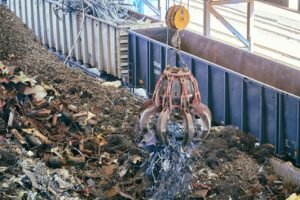
Recycling stainless steel cut to size involves sorting by grade, removing impurities, and preparing it for smelting. Proper preparation increases the scrap steel price per tonne. For instance, clean 316 stainless typically fetches 20-30% more than contaminated 304 stainless. Use our Stainless Steel Scrap Calculator to estimate your material’s value before selling.
Practical Tips for Handling and Transporting Stainless Steel
Handling stainless steel cut to size requires care to avoid scratches and contamination. Store material in dry, elevated areas to prevent rust. For transport, use non-abrasive padding and secure loads with straps. When selling stainless steel scrap, ensure it’s sorted by grade and free of oil or paint residues. For local purchasing options, explore stainless steel Sydney listings.
Maximizing Efficiency in Stainless Steel Recycling
To optimize your recycling process, partner with certified recyclers who specialize in stainless steel. These facilities can offer higher steel price per tonne and streamline the Stainless Steel Recycling process. Additionally, consider bulk sales for better rates, and always request detailed quotes to compare offers.
Conclusion
Mastering the intricacies of stainless steel cut to size—whether for industrial use or recycling—requires attention to grade identification, precision cutting, and strategic selling. By leveraging tools like our scrap calculators and partnering with trusted recyclers, you can ensure maximum value from your material. For up-to-date market insights, visit Scrap.Trade and stay informed on stainless steel scrap prices.
Frequently Asked Questions
How do I identify 304 vs. 316 stainless steel cut to size?
Use a magnetic test or chemical spot test. 316 stainless contains molybdenum, making it less magnetic than 304 stainless. Always verify grading to ensure accurate recycling pricing.
What equipment is best for cutting stainless steel sheets?
Laser cutters offer precision for thin sheets, while plasma cutters handle thicker material efficiently. CNC waterjets are ideal for complex shapes without heat distortion.
How can I increase profitability when selling stainless steel scrap?
Sort material by grade, remove contaminants, and use a scrap calculator to set realistic price expectations.
Where can I find local buyers for stainless steel cut to size in Australia?
Check platforms like ScrapTrade.com.au for verified buyers or use regional listings like stainless steel Sydney for targeted options.